
 E-Paper



Chhattisgarh's Gond tribe decides to bury dead to save trees
A ‘constitution’ was prepared by the Gond community that also included a ban on dowry.


The Gond tribe in Chhattisgarh has decided to bury their dead instead of cremating them to save trees. The decision was made in a two-day Gond Mahasammelan which was held in Kabirdham district between March 6-7.
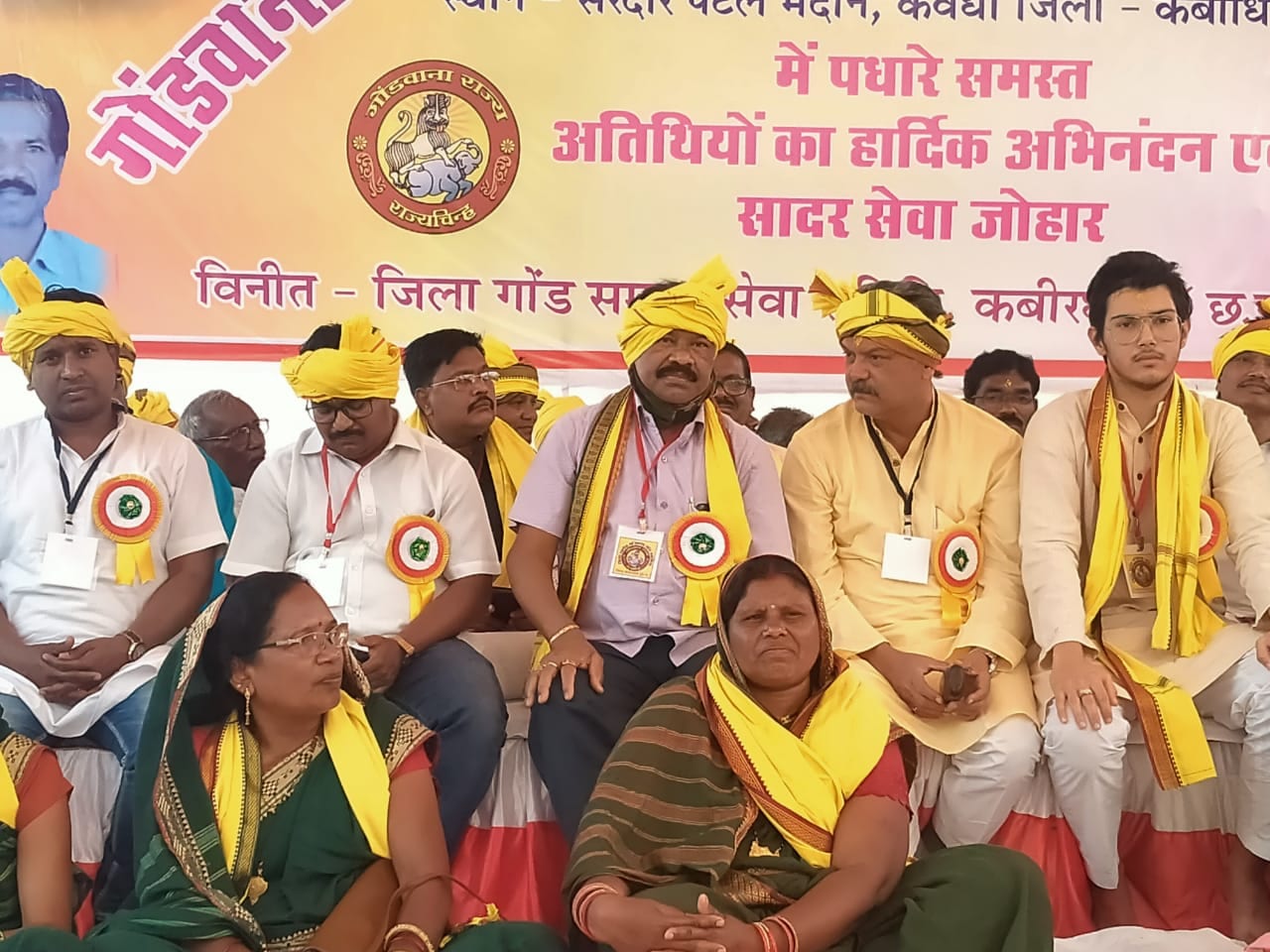
The Gond leaders also passed a proposal which banned the consumption of alcohol in social gathering and marriage ceremonies. The Mahasammelan decided that a fine will be imposed if the rules are violated.
A ‘constitution’ was prepared by the Gond community that also included a ban on dowry.
“The Gond tribals worship ‘Prakriti’ ( Nature) hence we always try to save nature. Trees are cut and are being used for making pyres which is unnecessary and misuse of wood. Actually, Gonds started cremating bodies in the last few years but Mitti-Sanskaar (burying) was our tradition hence the community decided to include burying in our constitution,” said BPS Netam, president of Sarv Adivasi Samaj Chhattisgarh.
Netam further claimed that Gonds of Bastar are still burying the body but in plain of Chhattisgarh and Madhya Pradesh some people, under the influence of other communities, have started cremating.
As per the experts in many places of Chhattisgarh, Jharkhand and Madhya Pradesh, the Gonds bury the dead and erect a stone memorial, which describes the good deeds of the deceased.
“These stones are still found in the villages of Bastar and some parts of Chhattisgarh. The decision to bury instead of cremating the deceased was taken earlier also in meetings and we are looking forward that the community will follow it,” Netam added.
Hundreds of Gonds representatives from across the state and bordering Madhya Pradesh attended the Mahasammelan.
According to 2011, the total tribal population in the state is 78,22,902, which is around 30.60 of the state’s population. Gonds are among the most populated tribals in Chhattisgarh in plains and Maoist-hit Bastar region.
Naval Singh Mandavi, President of Gondwana Gond Mahasabha, who attended the Mahasammelan claimed that the aim is to return back to rituals.
“As far dowry is concerned, in our community there is no such concept… We have to pay “Vadhu Mulya” , in which the groom’s family has to contribute for the expenses of the bride family. But some people started taking it hence Mahasabha has decided to ban the dowry,” said Mandavi.
Explaining the ban on liquor consumption in marriage ceremonies and social gatherings of the Gond community, Mandavi said: “Though, ‘Mahua sharaab’ is in our tradition but the youth have started consuming excessive liquor... We have decided that only five people who will perform the rituals will consume liquor,” said Mandavi.
-kW0H-U20214218012MgB-250x250%40HT-Web.jpg)


