
 E-Paper



‘Children understand their motive, agenda’: Supreme Court on DMK’s anti-NEET campaign
Lawyer ML Ravi earlier approached the Madras high court against the DMK campaign but withdrew the plea after the high court threatened to dismiss the petition with costs

 Prefer HTon Google


NEW DELHI: The Supreme Court on Tuesday declined to entertain a petition against the signature campaign launched by Tamil Nadu’s ruling Dravida Munnetra Kazhagam (DMK) against the National Eligibility Entrance Test (NEET) conducted for admission to medical schools, observing that the children were smart and understand everything.
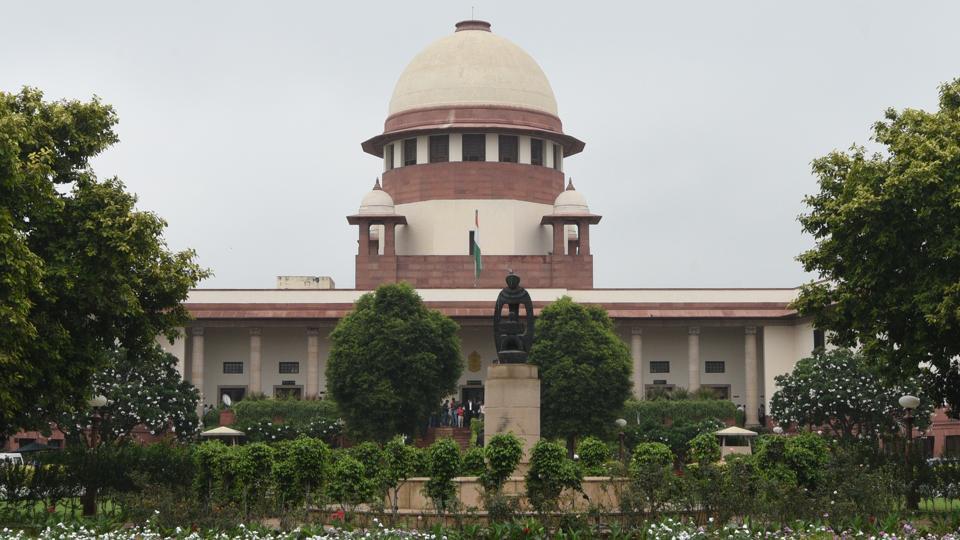
As the bench dismissed the petition filed by a lawyer ML Ravi who wanted the court to bar the DMK from continuing its campaign that asked students to sign against the national-level entrance exams, Ravi said the campaign would adversely affect students preparing for the competitive test, a single window examination for admission to MBBS courses.
The bench of justices Surya Kant and KV Viswanathan told the petitioner that he needn’t worry: “We nowadays have a well-informed generation. They understand everything. Such campaigns against a national-level examination will not affect them.
“Our children are not so innocent. They are far ahead of our generation. Let those who want, campaign. They (students) understand everything what the motive and the agenda is.”
The bench, however, made it clear that the top court could not entertain the petition against the DMK’s campaign under Article 32 of the Constitution. “We are of the considered opinion that this is not a fit case to invoke the jurisdiction under Article 32 of the Constitution. We decline to entertain this petition,” the bench said.
Article 32 of the Constitution allows any citizen to approach the Supreme Court against the breach of any fundamental right.
Ravi had approached the Madras high court against the DMK’s signature campaign in November last year but withdrew the plea after the high court threatened to dismiss it with costs. In his petition before the top court, Ravi said that the freedom of speech and expression of political party members under Article 19 of the Constitution cannot be practised in schools as students do not have voting rights.
To be sure, the DMK government challenged NEET in the Supreme Court in February last year, arguing that the national-level examination violates the principle of federalism and takes away the autonomy of states to make decisions regarding education.


