
 E-Paper



China’s PLA accuses Indian troops of being ‘aggressive’ along LAC
The Indian Army and ITBP rubbished the allegation, saying that it was PLA troopers who were aggressive and were found to be carrying iron rods and sticks during the Pangong Tso incident.


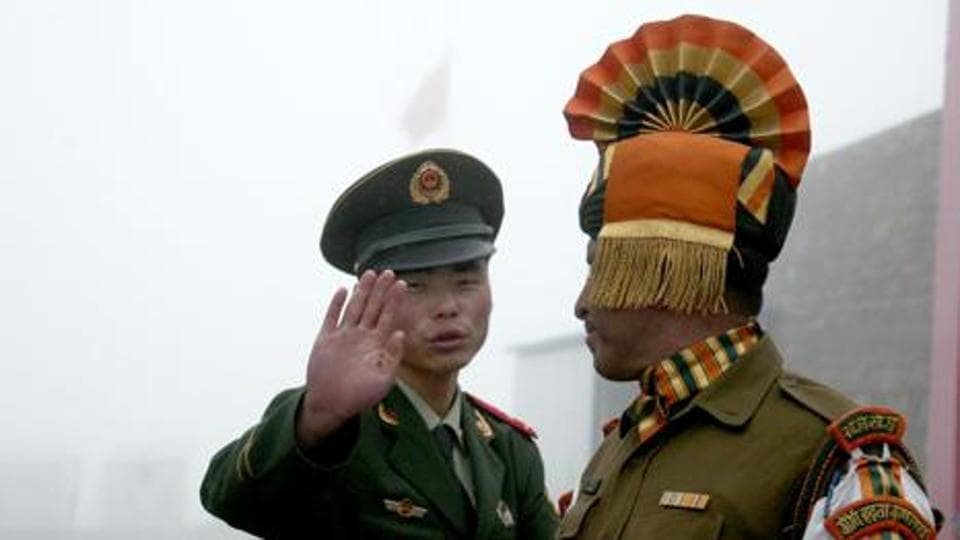
Despite India and China calling truce along the Line of Actual Control (LAC) after the Special Representative dialogue, the People’s Liberation Army (PLA) has virtually accused their Indian counterparts of being aggressive although no shot has been fired in 40 years.
The December 22 SR level meeting was the first after the 73-day standoff between India and Chinese PLA was resolved on August 28.
The PLA spokesman’s statement on Thursday that India should “strictly control” its border troops stems from the August 15, 2017 fisticuffs between the Indian Army and their Chinese counterparts in the Pangong Tso sector.
Before going public, the PLA had made it known through diplomatic channels that their troops had sustained injuries during physical contact with Indian forces during LAC patrolling and claimed that Indian troops were showing undue aggression as if it was “the border with Pakistan”.
However, both the Indian Army and ITBP commanders have rubbished the allegation, saying that it was PLA troopers who were aggressive and were found to be carrying iron rods and sticks during the Pangong Tso incident.
According to senior officials, Indian troops were sensitive to the requirements of the LAC patrolling and were committed to maintaining peace and tranquillity on the border.
The PLA first raised this issue at a Track II dialogue at Chengdu this year, where a senior Chinese Army commander told the participating Indian delegation that New Delhi should not be posting troops “from Pakistan border” to the 3,488 km LAC as they “were found to be very aggressive”.
The commander said the PLA posted its troops to the LAC after sensitising them on the needs of the border with India. He hinted that aggressive troop posturing by Indian commanders could lead to a vertical escalation, which would be detrimental to bilateral relations.
While the PLA statement does not wash with the Indian Army or ITBP, Chinese State Councillor and CCP Politburo member Yang Jiechi was conciliatory with his Indian counterpart and National Security Advisor Ajit Doval during the SR level boundary talks.
According to those privy to the talks, the Chinese plate was full with ongoing North Korean and South China Sea crisis and hence, were all for maintaining peace and tranquillity along the border. The Indian side reciprocated the gesture even though the actual resolution of India-China boundary is far away in distant horizon.
At the SR level talks, both sides emphasised on the need for the two countries to remain in touch with lines of communication open between the top leadership of India and China and ensure that Doklam is not repeated again in future.


