
 E-Paper



Cinema for viewers with disabilities: Producers may need to release accessible versions
The MIB has invited comments from the public on its guidelines of accessibility standards in the public exhibition of feature films in cinema theatres for persons with hearing and visual impairment until February 8.

 Prefer HTon Google


In a bid to improve access to movies in theatres for people with hearing and visual impairments, the ministry of information and broadcasting has proposed that producers must submit two versions of their film to the Central Board of Film Certification (CBFC) for certification --- one for public view, and the other with accessibility features such as audio descriptions, open/closed captioning, and Indian Sign Language interpretation.
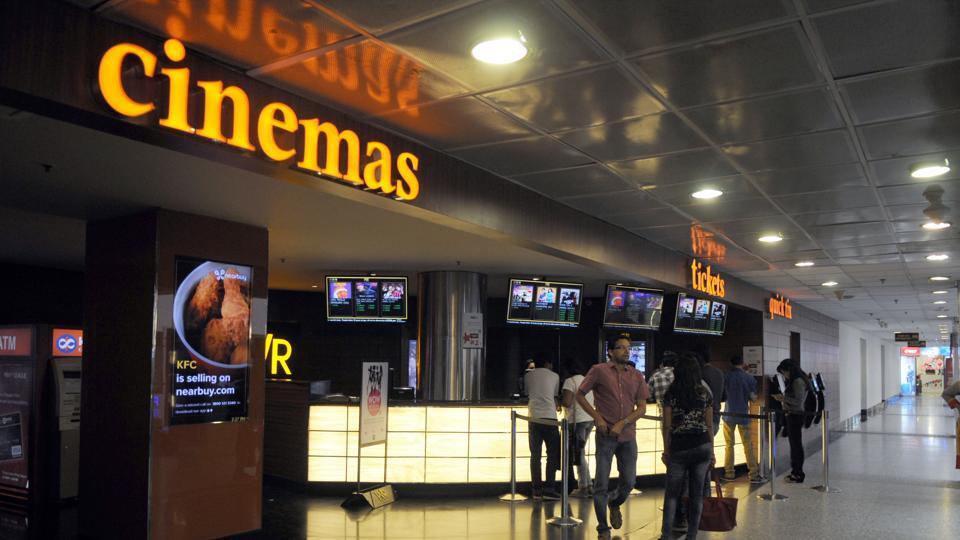
The MIB has invited comments from the public on its guidelines of accessibility standards in the public exhibition of feature films in cinema theatres for persons with hearing and visual impairment until February 8.
Licensed movie theatres will need to ensure that they either have dedicated shows with accessibility options for the hearing/visually impaired, or have dedicated equipment (such as mirror captions, smart glasses with closed captioning, separate with closed captions below the main screen, headphones/earphones with audio description), or use mobile apps to provide simultaneous closed captions and audio descriptions. Movie theatres must provide these features within three years of implementation of these guidelines.
The plan proposes that such accessibility features must be present in at least two devices per 200 seats in a regular show since as per the 2011 Census, 2.21% of the Indian population has these disabilities. Exhibitors must develop a self-regulatory mechanism to provide the required number of seats within three years, the plan suggests.
Movies that are dubbed in more than one language will need to provide at least one accessibility feature for the hearing impaired and visually impaired within six months from the implementation of the guidelines. Movie submissions for the National Film Awards, the Indian Panorama Section of the International Film Festival of India, Goa, and the Mumbai International Film Festival must include closed captioning and audio descriptions from January 1, 2025.
The proposed guidelines require exhibitors to make annual action plans for the next three years, with roadmaps for local stakeholder consultations with “relevant persons with disabilities” to consider whether a particular area has more people with visual or hearing impairments. The MIB also wants cinema owners to train their customer service staff on how to serve people with disabilities.
The implementation schedule will be monitored by the CBFC, the appropriate government under the Rights of Persons with Disabilities Act, 2016, film producers, and movie theatre licensees, as applicable. The MIB will also set up a committee, half of whose members will be people with hearing/visual impairment and representatives from the film industry, to monitor the implementation of the accessibility standards.
Annually, the CBFC must collect and publish information about the different accessible services provided in the certified feature films, and the quality of standards for different accessibility measures.
The appropriate government must also annually collect and publish information about the steps taken by the film industry and theatres to create awareness about accessibility of movies, consultation done by the film industry and theatre licensees with organisations of people with disabilities.
If accessibility features are unavailable in a theatre, a person may file a complaint with the theatre licensee and can escalate it to the licensing authority after 45 days.
These guidelines will only apply to feature films certified by the CBFC for public exhibition in movie theatres for commercial purposes.
The Information Technology (Intermediary Guidelines and Digital Media Ethics Code) Rules, 2021, mandate streaming platforms like Netflix to provide “appropriate access services” which include closed captioning, subtitles and audio descriptions for people with disabilities.
The proposed Broadcasting Bill, which will regulate all content on TV and streaming platforms, empowers the MIB to issue accessibility guidelines. If these guidelines are not met, the MIB could impose a financial penalty, amongst other measures, of up to ₹50 lakh for the first contravention and ₹2.5 crore for a subsequent contravention within three years.


