
 E-Paper



Clamping down on Glyphosate availability first step to curb use
Meanwhile, the US Environmental Protection Agency, in a draft biological evaluation, says Glyphosate is likely to cause harm to or kill 93% of endangered species there.


The NGO, Pesticide Action Network, recently released a report on how India uses Glyphosate, a herbicide. We know toxics regulation in India- and most parts of the world- is lax. So while the report was a reminder to act, its revelations were no surprise. About 77% of the surveyed farmers used glyphosate to control weeds in crops, but it was not approved for these crops. That apart, Glyphosate is not in the list of residues monitored in India in our food. A common and illegally used toxic chemical is poisoning us, but we don’t even try to monitor it.
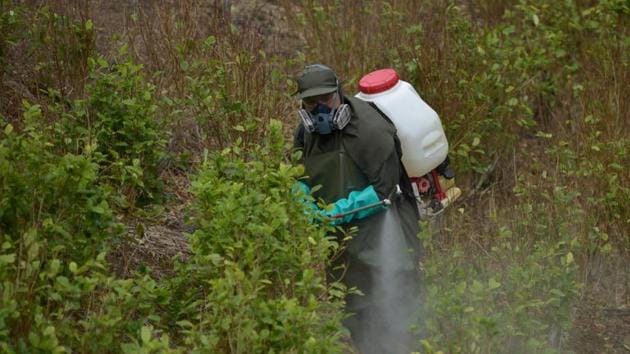
Meanwhile, the US Environmental Protection Agency, in a draft biological evaluation, says Glyphosate is likely to cause harm to or kill 93% of endangered species there. The press release mentioned the Monarch Butterfly which migrates annually over 3600 kilometers from Canada to Mexico. Glyphosate could end this natural wonder.
Let’s come back to India, our own country with extraordinarily rich biodiversity. It is reasonable to assume that our own biodiversity is also imperiled by Glyphosate. Three steps are essential. First, a tight clampdown on its availability. Six states have restricted its use, but this is not enough. Second, weed management must change- MNREGA should include weeding as part of its allowed tasks, to offset labour costs that promote herbicides today. Natural weed-management should be promoted, even by eliminating GM crops causing this. Third, intense awareness about Glyphosate in local languages is key. We must fix the problem fast.


