
 E-Paper



CM proposes renaming Metro after Basavanna
Chief minister Siddaramaiah on Sunday said that he will propose a plan to rename Bengaluru’s Namma Metro as Basava Metro, after the 12th-century philosopher and social reformer Basavanna

 Prefer HTon Google


Chief minister Siddaramaiah on Sunday said that he will propose a plan to rename Bengaluru’s Namma Metro as Basava Metro, after the 12th-century philosopher and social reformer Basavanna, to the Centre.
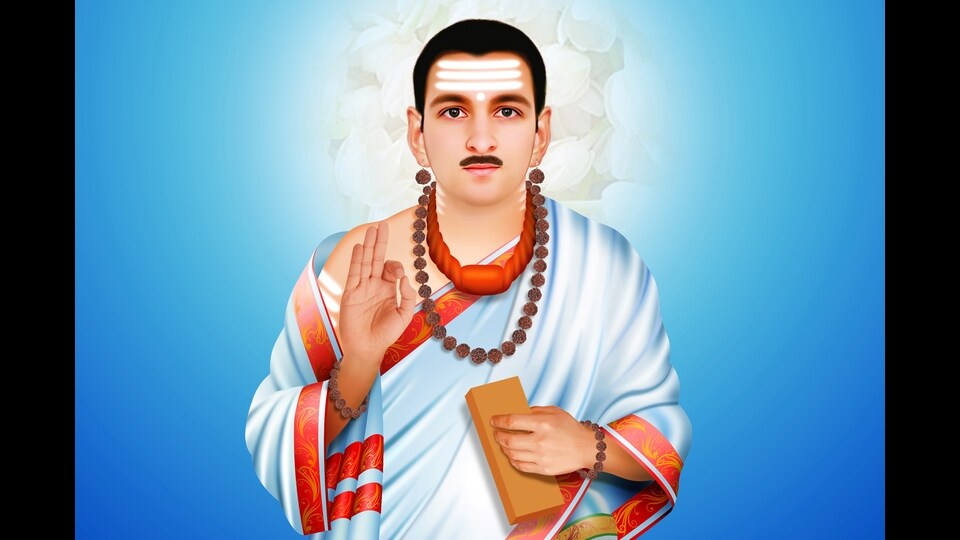
At the closing ceremony of the Basava Culture Campaign 2025, Siddaramaiah said, “I would recommend the central government to name our metro as Basava Metro. If this were entirely a state government project, I would have announced it as Basava Metro today itself.”
“Metro project is by both the state and central government. Our (state) share may be more at 87 per cent, 13 per cent by the Centre, but still, without central government’s approval, we cannot do anything. I will place this proposal before the central government,” Siddaramaiah said.
“You need not demand us to do things about Basavanna...if the project was entirely by our government, I would have given my approval now itself, but as it is the project jointly both by the state and the central government, I cannot give approval here. I will have to write to the Centre and seek their approval. Our government will look into it,” he added.
Basavanna, revered as Vishwaguru Basavanna, founded the Anubhava Mantapa, considered the first democratic spiritual assembly, and promoted equality, fraternity and social justice.
Siddaramaiah said these principles remain as relevant today as they were centuries ago.
“I am an admirer of Basavanna. I have faith and commitment to the principles of Basava. My belief is that Basava’s principles are eternal and relevant, not just in the past, not just today, but forever,” he said.
The chief minister stressed that Basavanna’s message of unity and inclusiveness continues to guide social reform.
“We have many castes and many religions among us. In the Chaturvarna system, we are placed in the fourth position. Regardless of which caste Shudras belong to, we must realise that we are all one,” he said.
Siddaramaiah also drew parallels between Basavanna’s teachings and the values enshrined in the Indian Constitution. “Dr Ambedkar, too, reflected Basavanna’s aspirations in his Constitution. Thus, the Constitution and the Sharana culture are one and the same. While the Constitution’s ideals are freedom, equality and fraternity, Basavanna also worked towards building a casteless, classless society based on fraternity. Therefore, Basavanna remains relevant forever.”
He said the state government has taken several measures to advance Basavanna’s vision. “On the day of Basava Jayanti, when I took the oath as chief minister, I resolved to fulfil Basavanna’s aspirations of providing equal opportunities for all. Through numerous welfare schemes and guarantees, I have ensured opportunities for the poor of all castes and religions,” he said.
Siddaramaiah said portraits of Basavanna are now required to be displayed in all government offices. He also announced that a Vachana University, dedicated to research on Basava philosophy, will be established next year.
In January 2024, the state government formally recognised Basavanna as the Cultural Leader of Karnataka, acknowledging the poet-saint’s deep impact on the state’s identity and values.
Siddaramaiah also announced that the government has agreed to the request seeking establishment of “Vachana University”, and steps will be taken to set up the university next year.
He also said that the ongoing project on the replica of ‘Anubhava Mantapa’ -- which is said to be the first religious parliament in the world, where mystics, saints and philosophers, including Basavanna converged and held discourse in 12th century at Basavakalyan, will be completed by around next year.
(with PTI inputs)


