
 E-Paper



COTPA amendment will hit women in beedi industry: Study
The report further says that until skill-building and alternative employment is provided on a large scale for their livelihood, beedi rolling “is the only viable occupation for millions of women across India”


The Bharatiya Mazdoor Sangh (BMS) and the Swadeshi Jagran Manch (SJM), two offshoots of the Rashtriya Swayamsevak Sangh (RSS), have lent support to a study that claims that the proposed amendments to the Cigarettes and Other Tobacco Products Act (COTPA) will adversely affect the livelihood of millions of women engaged in beedi production work.
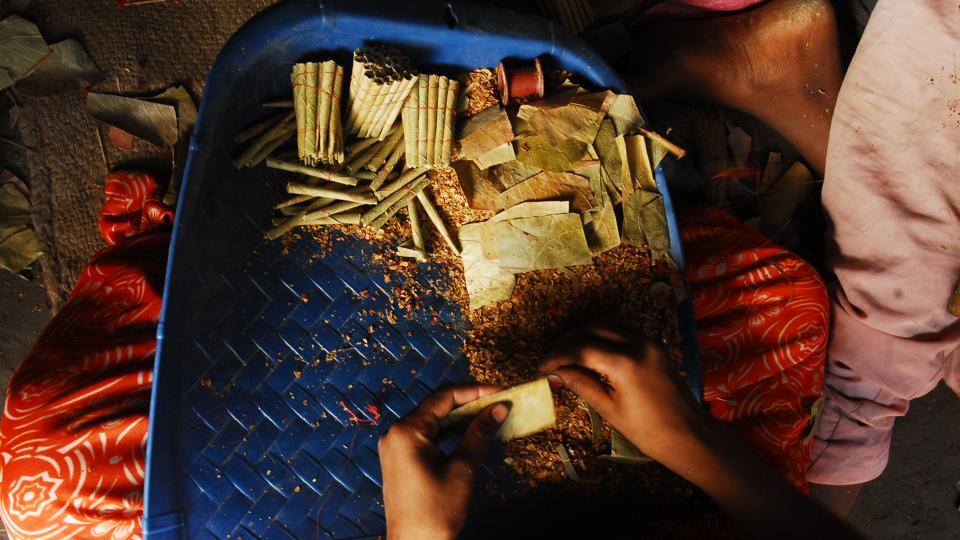
As per a study conducted by Vibha Vasuki, a human rights lawyer and Dr. Shiva Prasad Rambhatla, a professor of social anthropology, the new insertion in the act that makes it mandatory for persons to obtain licences, permissions and registration for selling and distributing any tobacco products, if implemented, will be an “extremely harsh” measure for small vendors who do not have the competency of financial means to obtain such licences.
The authors of the study to be released in the capital on Tuesday by union minister for environment, forests and climate change and labour and employment, Bhupendra Yadav, most of the beedis are sold from microshops set up under trees and on pavements which will not be recognised by the municipalities or given licences.
“Therefore, the entire sale of beedis will come to a grinding and abrupt halt. If the sale of beedis comes to a halt, then the entire beedi industry will come to a halt,” the study says.
Also Read: How can female investors avoid being influenced by male investment patterns
The report further says that until skill building and alternative employment is provided on a large scale for their livelihood, beedi rolling “is the only viable occupation for millions of women across India”.
Ashwani Mahajan of the SJM who has written the foreword of the report said, “We have been fighting for the rights of the workers since mid 1990s. When the excise duty on small cigarettes was reduced, machine made cigarette became cheaper and the employment of Beedi workers was affected. [When] we pleaded for the reversal, initially the government did not agree, [but] after we started the beedi rozgar rakshak aandolan, the then finance minister, Yashwant Sinha agreed to a gradual increase in the excise duty. Since then, we have been saying though the use of tobacco cannot be supported, there has to be an alternative means of livelihood provided to the 4.5 crore people who are dependant on the beedi industry, right from collecting of Tendu leaves to selling it.”
The study also claims that beedis have 85% market share of all smoking products in India and the manufacturing process is highly labour-intensive. It says 96% of the total Beedi workers are home-based and only 4% work in factories, and a majority of the home-based workers (84%) are women.
The study also claims there has been no allocation of funds for Beedi workers since 2017-18.


