The vaccine-sharing facility COVAX is likely to face delays in supply of at least 60-70 million doses of Serum Institute of India-produced Covishield after India decided to slow its vaccine exports, people familiar with the matter said.
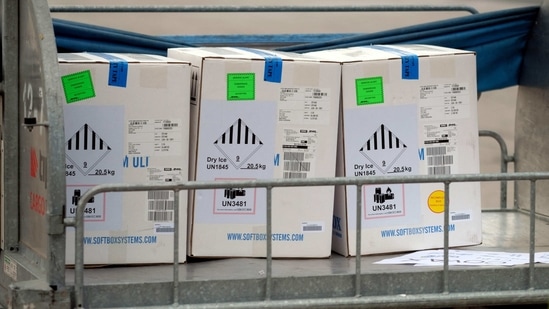
So far, the WHO-backed COVAX has received 28 million doses of Covishield vaccine, a statement from Global Alliance for Vaccines and Immunisation (GAVI) said. The COVAX facility was expecting an additional 40 million doses in March and another 50 million in April.
“We provided Serum Institute of India $150 million in pre finance to ramp up production. Our agreement stipulates 50% of production to be given to COVAX. Through Serum Institute of India, COVAX provides Covid-19 vaccines to more than 60 low income countries, primarily in Asia and Africa. If Government of India bans export of doses, all those countries would suffer,” said Gavi deputy chief executive officer Anuradha Gupta.
The government has decided to focus on its domestic vaccination programme following a spike in Covid-19 cases, officials familiar with the matter said earlier this week, adding that there will be no expansion of vaccine exports.
Pune-based SII is manufacturing the double-dose Oxford-AstraZeneca Covid vaccine under the brand name Covishield.
{{/usCountry}}Pune-based SII is manufacturing the double-dose Oxford-AstraZeneca Covid vaccine under the brand name Covishield.
{{/usCountry}}“Gavi appreciates its long term relationship with Indian government and manufacturers who have produced a range of high quality vaccines for the world. They have contributed to saving 14 million lives in low income countries during the last two decades,” Gupta said.
Also read | ‘Disinformation Dozen’: Social media urged to remove these 12 anti-vaxxers
India, however, reiterated that there is no ban on exports of Covid-19 vaccines. “India has always thought of not only its neighboring countries but also other countries which showed interest in getting our vaccines. We have exported more than 6 crore vaccine doses already. There is no ban on export of Covid-19 vaccines,” government official said requesting anonymity.
There was no response from SII and AstraZeneca.
Since the first batch of vaccines was sent to Ghana in Africa in February this year, India has supplied at least 61 million vaccine doses to as many as 77 countries as part of both grants and commercial arrangements.
Both Gavi and SII are in talks with the Indian government to resolve the issue, people familiar with the matter said.
India’s requirement for vaccine doses increased after the government decided to expand the vaccine coverage for people over 45 years of age and above from April 1, irrespective of the comorbidities.
“Even though there is not enough evidence to suggest that the vaccines prevent disease transmission, which means may not be able to break the chain of transmission. However, it is still a good idea to fast vaccinate as many vulnerable population groups as possible to provide protection against death and severe disease. Our ultimate goal is to save lives,” said a senior public health expert, requesting not to be identified.