E-Paper



Covaxin phase 3 efficacy data likely out in two weeks: Bharat Biotech
Covaxin is the first indigenously developed vaccine against Covid-19 and was granted restricted use in emergencies in India despite the lack of phase 3 efficacy data

 Prefer HTon Google


The interim efficacy data for the phase 3 trial of Covaxin, the first made-in-India Coronavirus disease (Covid-19) vaccine, is likely to be out in next two weeks, said Bharat Biotech in a conference on Monday.
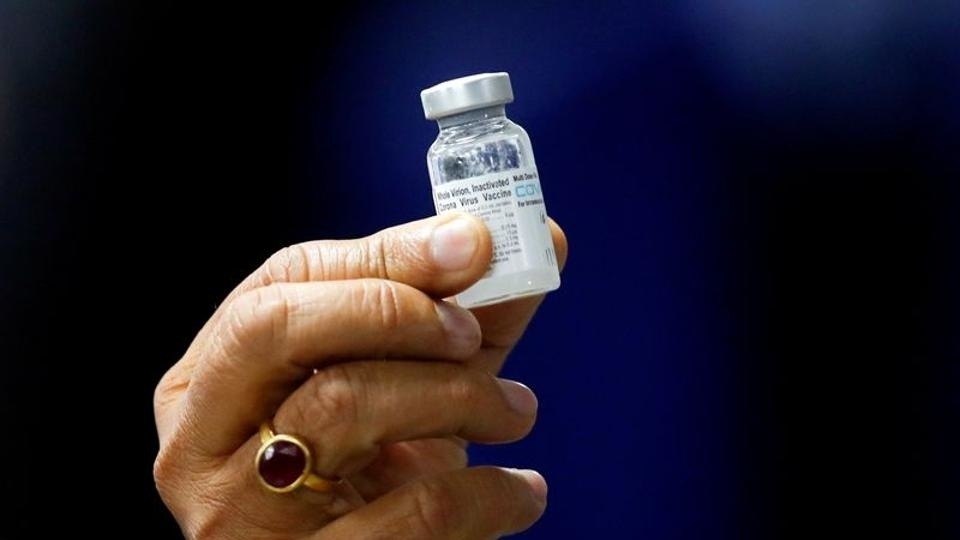
Bharat Biotech and the Indian Council of Medical Research (ICMR) have co-developed Covaxin, which is one of the two Covid-19 vaccines currently approved for use in India by the national drugs regulator.
“We moved so fast, but unfortunately we missed the efficacy time point. Had we done the phase 2/3 combined, we would have captured efficacy faster. But anyhow, we should be coming out in two weeks with the efficacy point data,” said Krishna Ella, chairman and managing director, Bharat Biotech, at the BioAsia 2021 conference.
Also Read | Not only Maharashtra, Kerala; 5 other states report sudden spike in Covid cases
Covaxin is the first indigenously developed vaccine against Covid-19 and was granted restricted use in emergencies and authorisation for sale in India early January this year by the national regulator, despite the lack of phase 3 efficacy data.
The grant of approval without the phase 3 efficacy data had drawn a lot of criticism, with the government clarifying on different platforms that the vaccine was safe to use.
“In a non-emergency situation, safety, immunogenicity and efficacy data are required. Existing pandemic situation with high mortality, available science, and a lack of definitive treatment are considered by a subject expert committee for accelerated approval that is in our legal provision. In a pandemic situation, we consider restricted use based on safety, and immunogenicity data while the phase 3 trial is still ongoing,” Dr Balram Bhargava, director general, ICMR, explained after the approval was granted.
“Immunogenicity data generated through the phase 2 clinical trial serves as a surrogate for efficacy, and the Clinical Trials Rule 2019 provides for considering phase 2 results to guide approval. The subject expert committee guides the DCGI [Drugs Controller General of India] in the process of decision-making for restricted use in an emergency,” he said.
The indigenous, inactivated vaccine is developed using whole-virion inactivated vero cell-derived platform technology that contains the dead virus, incapable of infecting people but still able to instruct the immune system to mount a defensive reaction against an infection.
According to the company, it is looking at scaling up production to nearly 40 million doses in a month.