
 E-Paper


Covid-19: India unable to take full advantage of drop in oil prices
Sales of automobile fuels have slumped by around 80% in the cities and 60% in rural areas since March 25, when the lockdown went underway, taking public transport and private vehicles off the roads, according to dealers HT spoke to.

 Prefer HTon Google


India, the world’s third-biggest oil consumer, is unable to take full advantage of a slump in global crude prices because of a steep drop in the sale of petrol and diesel in the aftermath of the nationwide lockdown for the coronavirus disease (Covid-19) that has squeezed dealers’ margins and put at risk the jobs of some of the 500,000 people employed at fuel stations.
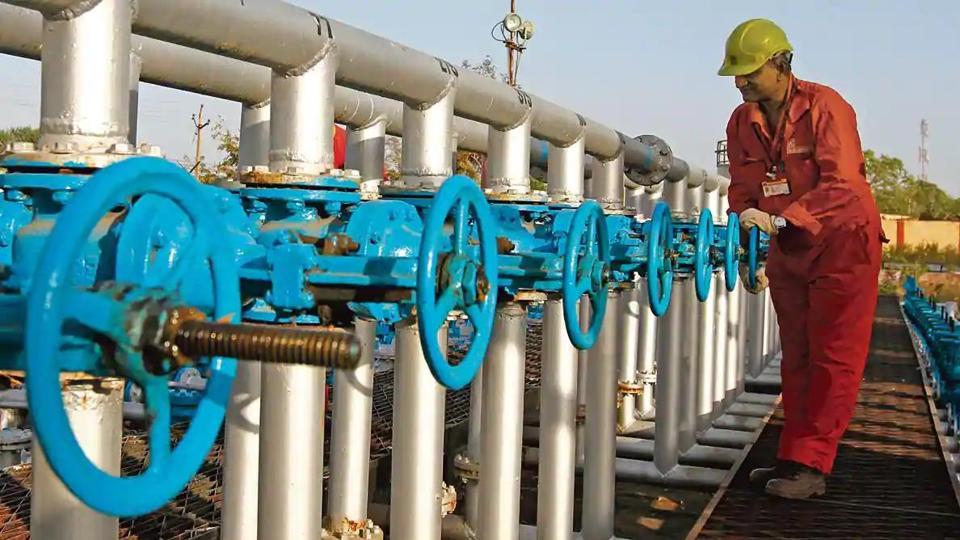
Sales of automobile fuels have slumped by around 80% in the cities and 60% in rural areas since March 25, when the lockdown went underway, taking public transport and private vehicles off the roads, according to dealers HT spoke to.
“The spread of the coronavirus and the lockdown have affected everyone. If demand does not pick up this month, we would face difficulties in paying salaries to staff,” a Noida-based dealer said, requesting anonymity.
A Mumbai-based dealer said he had been forced to shut his petrol pump in the heart of the city for the time being because of both lack of demand and absence of staff to serve any customers who turn up amid the lockdown.
“My other retail outlet at Ulhasnagar [on the outskirts of Mumbai] is open, but sales are a minuscule 500 litres a day compared to from 450 KL [kilolitres] earlier,” the dealer said requesting anonymity. 1 KL is equal to 1,000 litres.
“I have taken Rs 50 lakh credit from bank. I have fuels in tanks worth Rs 50 lakh. Unless I can sell fuels, I would not be able to service my debt,” he said.
Crude oil prices have gone down because of deepening concerns over the Covid-19 pandemic and an oil price war between Saudi Arabia and Russia. After US President Donald Trump tweeted on Thursday that he had brokered a deal that would see the two countries cut output by 10 million barrels per day, or about 10% of global supplies, Brent crude, a benchmark in oil pricing, soared 47% on Thursday. In early trading on Friday, it was trading at $33. 6 per barrel, a 12.3% gain over the previous day, but still half its level at the start of 2020.
The steep drop in oil prices meant a windfall for India given that it is dependent on imports to meet around 80% of demand, but the sharp drop in sales of auto fuels has offset the gains to some extent. An Indian Oil Corporation (IOC) spokesperson estimated the overall drop in fuel sales at 65-67% since the lockdown began.
At stake in the battle to overcome the coronavirus disease and get India back to normalcy are the jobs of 500,000 people employed at fuel pumps as attendants, salespeople and so on.
There are over 62,000 retail outlets with about 500,000 employees. Each outlet has eight staffers on an average.
“In certain parts of the country sales have dropped by over 95%. Some dealers have stocks of 100,000 litres, but sales are less than 1,000 litres [per week]. We will assess the situation after the 21-day lockdown is over and take a decision. Currently, on humanitarian grounds, dealers are paying salaries to their employees,” said Ajay Bansal, president of the All India Petroleum Dealers Association (AIPDA).
Cities away from metros are marginally better placed. A Meerut-based dealer said on condition of anonymity that sales at his pump had gone down by 60% since the lockdown began from 60 KL, but liquidity was a major issue because most sales are on credit and customers, mainly transporters, are not in a position to pay on time,
“Most of the pump owners will not be able to service debts, hence banks should extend the duration of credit period to 90 days,” said Hemant Sirohi, a member of the Empowering Petroleum Dealers Foundation (EPDF). Petroleum dealers receive 15 days’ credit under an Electronic Dealer Finance System eDFS, an application that aims to automate the loan disbursal and interest recovery process and provides a repayment model through internet banking.
The Tamil Nadu Petroleum Dealers Association has sought relief from state-run oil marketing companies (OMCs) – Indian Oil Corporation (IOC), Bharat Petroleum Corporation Ltd (BPCL) and Hindustan Petroleum Corporation ltd (HPCL). In a letter to senior executives of oil companies, the association asked OMCs to advise banks to waive interest for the 21-day lockdown period.
Email queries sent to IOC, BPCL, HPCL and the oil ministry on the subject did not elicit any responses.
Consumption of fuel is an indicator of economic activity, and with the nationwide lockdown, demand for fuels has dropped, Associated Chambers of Commerce and Industry of India (Assocham) secretary general Deepak Sood said. “The benefit of reduced fuel prices can’t be garnered in such a scenario by the industry or consumers,” he said
“As part of its economic measures, the government should look at supporting retail pumps catering to cities and rural areas, ensuring employment and working capital requirements are met during these troubled times,” he said.
Deepak Mahurkar, partner and leader of the oil and gas practice at PwC India, said global oil demand had become subdued about one-and-a-half months ago because of the impact of the coronavirus and the ripples have now reached India. “Demand will start picking up after the lockdown is removed, but it will be slow as consumers will be cautious,” he said.
Mahurkar said global oil prices will have to eventually bounce back to the level of $60 a barrel because current levels are not sustainable. He described the volatility in international oil market on Thursday and Friday as an attempt by oil producers to boost oil prices. “Even the US would like prices to go up to help its oil and gas sector,” he said.
(With agency inputs)


