
 E-Paper



Covid-19: IT-enabled platform to keep tabs on hydroxychloroquine supply
The central government’s department of pharmaceuticals is developing a platform driven by information technology (IT) to monitor the availability of anti-malaria


The central government’s department of pharmaceuticals is developing a platform driven by information technology (IT) to monitor the availability of anti-malaria drug hydroxychloroquine after allegations of supply crunch in several places, according to officials.
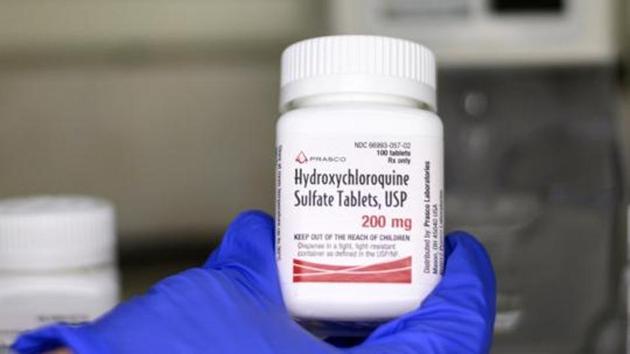
But industry players said there is no shortage of hydroxychloroquine, which is used as a prophylaxis (a treatment to prevent a disease) for people at high risk of contracting the coronavirus disease (Covid-19). They added that reports of shortages could be attributed to a popular brand running out of stock because of hoarding by patients.
Hydroxychloroquine pills are prescribed to non-Covid-19 patients with conditions such as rheumatoid arthritis.
Acting on the complaints, the National Pharmaceutical Pricing Authority (NPPA), which functions under the pharmaceuticals department (ministry of chemicals and fertilizers), is working on developing the IT-driven platform to monitor hydroxychloroquine at all distribution channels starting from customs to warehouses to distributors and finally retailers.
NPPA and the Drugs Controller of India, which is under the health ministry, have approached all stakeholders to ensure information on the supply of the medicine is uploaded and updated on the platform on a regular basis. This will help officials keep tabs on the medicine’s availability and address gaps as and when they surface.
“…it is informed that all sellers of drugs are requested to register first in the platform to create master data, and then upload details…It is to ensure availability of these drugs to all needy people,” read a message from the drugs controller’s office to those involved in the supply chain. HT has seen the communication.
Basant Goel, the president of Retailers and Distributors Chemist Association (RDCA), said there is a particular brand that is facing supply shortage though others are available in the market.
“The initial shortage was reported because, when there was no restriction on the sale of hydroxychloroquine, people started hoarding a popular brand. But now we will be getting more supplies. Also, the sale of hydroxychloroquine is restricted by the government, and you need to have a valid prescription to buy it,” he said.
On March 26, the Union health ministry restricted the over-the-counter sale of hydroxychloroquine. It is now available only on prescription. While health ministry says all departments are taking extra steps to ensure the supply of hydroxychloroquine, the external affairs maintains that only the surplus stock is being exported after the recent relaxations of rules.
“We have adequate manufacturing capacity, today, in the country and have sufficient supply to meet both domestic and export demand,” the Indian Pharmaceutical Alliance said in a statement on Sunday, adding that companies are ramping up production to ensure an uninterrupted supply for domestic and export markets.
India has recommended the use of hydroxychloroquine for asymptomatic (not showing symptoms of the disease) health care workers treating suspected or confirmed Covid-19 patients, and asymptomatic household contacts who live in close proximity with patients. The medicine, along with antibiotic Azithromycin, is given to Covid-19 patients in intensive care units.
The government has warned people against the indiscriminate use of hydroxychloroquine, which can have severe side effects in people with a history of heart and kidney ailments, among other underlying conditions.
Last week, the government relaxed restrictions on the export of the medicine as several countries, including the US and Brazil, sought supplies from India, which is hydroxychloroquine’s largest producer.
According to government data, against the projected requirement of 10 million tablets (including those for health workers dealing with Covid-19 patients, ICU cases and high-risk contacts), the availability is 32.8 million tablets a day. In addition, there is a buffer stock of about 20-30 million tablets.


