E-Paper



Covid-19 positivity drops in Assam, minister says curve is flattening
On Monday, the positivity rate was just 1.41% after over one lakh tests were conducted, Assam’s Health Minister Himanta Biswa Sarma said. In September, the positivity rate was 8%.


After a surge in September, the positivity rate of Covid-19 in Assam has dropped this month leading health minister Himanta Biswa Sarma to say that the pandemic’s curve is flattening in the state.
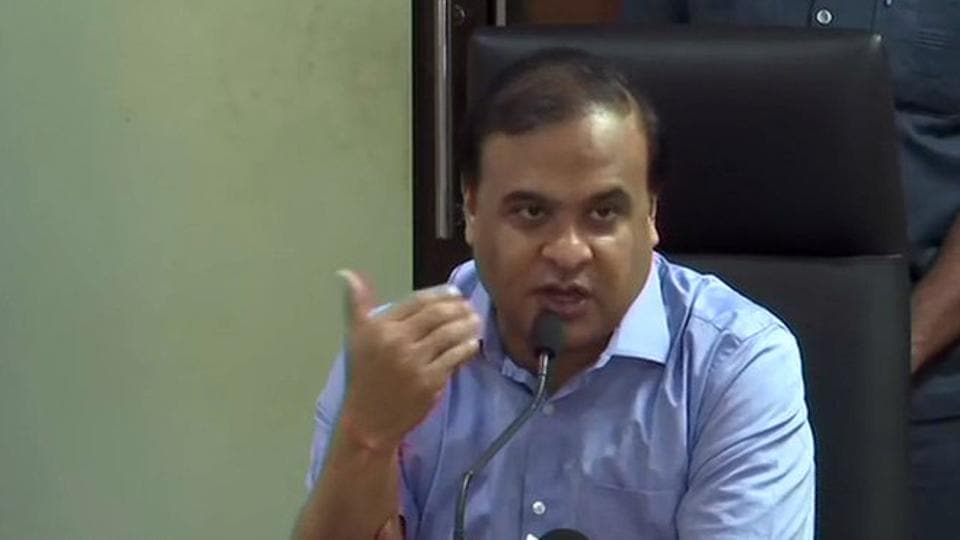
“In September, the positivity rate had reached 8% of the total samples tested. But since the past week, it has come below 5% and on Monday when we conducted over one lakh tests, the rate was just 1.41%,” Sarma told journalists at a press conference.
Till Monday, Assam’s Covid-19 tally stood at 195,304 cases with 166,036 recoveries and 826 deaths. The recovery rate in the state is 85% and the mortality rate is 0.42%.
Till Monday nearly 39.50 lakh samples had been tested across the state and the total test per million is 115,179. The rate of doubling of cases has slowed down to 46.4 days at present.
“If we are able to stay vigilant over the next few days, we can say the Covid-19 curve in Assam has started flattening for the first time. If all guidelines are followed during the coming Durga Puja season and there is no substantial rise in cases, it would be significant,” said Sarma.
The minister said that while 826 people have been declared dead due to Covid-19 till date by the death audit board (DAB) nearly 1000 more have died in the state due to post-Covid complications or illnesses and accidents not related to the disease.
“We are expecting to get the first set of Covid vaccines between January and July next year. Frontline workers and senior citizens above 60 years would be the first recipients. It is expected that more than one vaccine would be available around that time,” said Sarma.
The minister also announced a fresh set of guidelines that have to be followed during the Durga Puja festivities that begin next week.
They include mandatory permission from district authorities to organize puja, construction of airy and spacious pandals with separate entry and exit points and mandatory Covid-19 tests for priests before and after the puja festivities.
“Anyone entering puja enclosures will have to wear masks and sanitize their hands and no more than 50 people will be allowed at one time in the pandals,” said Sarma.
“Puja mandaps will have to close at 10 pm, pillion riding by men won’t be allowed during the festival, no cultural programmes or competitions will be allowed, but aarti can be performed at the pandals,” he added.
Other guidelines include closure of restaurants at 9 pm during festive season, ban on mass immersions of idols as well as ban on processions carrying idols.