
 E-Paper



Covid-19: Bahrain approves emergency use of India's Covaxin
The Bharat Biotech developed jab will be used to vaccinate people aged 18 and above, the same age group for which it is being used in India.


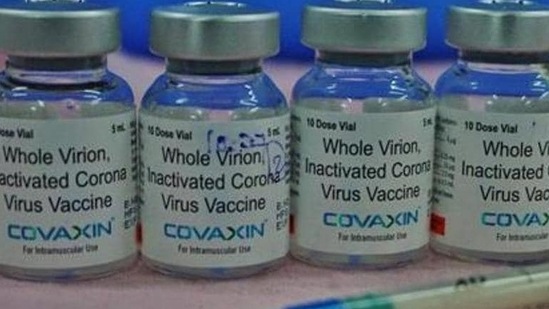
Bahrain has become the latest country to approve Covaxin, the made-in-India vaccine against the coronavirus disease (Covid-19), as the country’s National Health Regulatory Authority (NHRA) has given its permission for the emergency use of the jab, the Indian embassy announced on Friday. The approval is line with the Bahrain government’s guidelines, under which travellers, who have taken a Covid-19 vaccine approved either by it or the World Health Organization (WHO), will not be required to quarantine upon arrival.
Also Read | WHO gives Covaxin its stamp of approval
“Accordingly, passengers travelling from India to Bahrain, having valid Covid vaccination certificates issued in India with a scannable QR code, for vaccines approved by WHO, or by the Kingdom of Bahrain, will be exempted from mandatory 10 days quarantine as well as pre-arrival negative RTPCR certificate,” the embassy said on November 6, three days after the jab, developed by the Hyderabad-based Bharat Biotech, received emergency use listing (EUL) from the global health body.
According to a press release by the NHRA, Covaxin was granted emergency use authorisation (EUA) on November 11. In Bahrain, it will be used to vaccinate those aged 18 years and above, the same age group for which the vaccine is being used in India, the release noted.
In recent days, Covaxin has been recognised by several countries including the United States, United Kingdom, Australia, among others. Now approved by the WHO, the number of countries to recognise the shot is expected to rise in the coming days.
Also, in yet another shot in the arm for Bharat Biotech, medical journal The Lancet has peer-reviewed and published data from Covaxin's Phase-3 clinical trials, corroborating the vaccine manufacturer's statement from June that the jab has a 77.8 per cent efficacy against mild symptomatic cases and 93 per cent against severe symptomatic cases.


