
 E-Paper



Covid-19 mutations N440K, E484K, V911I: All you need to know
These mutations are believed to be immune-escape which means even if there are antibodies in the human body, they can save save themselves.

 Prefer HTon Google


Mutations of the Covid-19 virus in India found only in some districts have come to the surface as Maharashtra is seeing a sudden surge in the number of Covid-19 cases. These mutations are apparently different from that of the UK, South African or Brazilian strains of the virus. As studies are on to find more about these new variants, here is all we know about them so far.
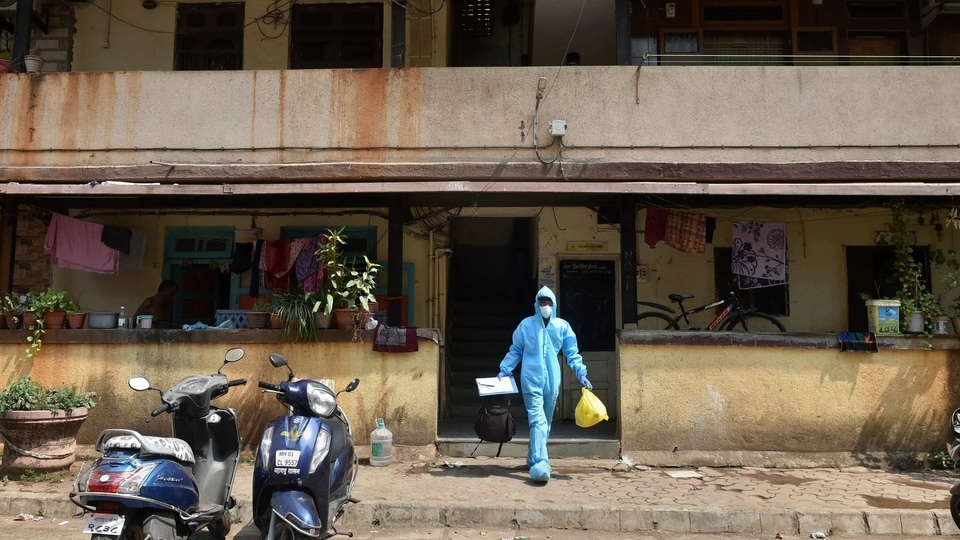
> All these strains are of A2 type of coronavirus, which is common in India.
> N440K mutation was found in a sample collected from Yavatmal in Maharashtra.
> This is more prevalent in South India. Scientists at the Cellular and Molecular Biology found reported this variant in January, as reported by PTI.
> N440K was a very small number in September and October last year. But now it is getting a much bigger proportion.
> It is believed to be milder than the previous variant.
> It escapes neutralising antibodies, which means even if there are antibodies in the human body, this mutation can save itself from them.
> N440K is commonly found in Andhra Pradesh. It can also escape neutralising antibodies.
> N440K was found in a case of re-infection in Delhi.
Apart from these two, there is another mutation named V911I, which was found in a sample collected from Satara. But researchers have not yet found its scientific references.
(With agency inputs)


