
 E-Paper



Delhi HC to hear petitions seeking recognition of same-sex marriages on Nov 30
The Union government earlier told the court that recognition of marriage between two same-sex couple is neither recognised nor accepted in any uncodified laws or any codified statutory laws.

 Prefer HTon Google


The Delhi high court has listed multiple petitions seeking legal recognition and registration of same-sex marriages under the Foreign Marriage Act and the Special Marriage Act for final hearing on November 30, news agency ANI reported on Monday.
The petitioners in the case are a married same-sex couple, with one between them being of Indian origin and even has his family living in the country. They have been in a relationship for around 20 years, and got married in New York, US in 2012. The couple currently is a resident of Paris, France, and their marriage is legally recognised and accepted in the United States, Canada and France – all of where they have lived and worked in the past two decades, the ANI reported.
The petitioners are expecting their first child together, and the Indian origin spouse has sought to obtain the Overseas Citizen of India (OCI) status so that he can spend time with his family in the country. Among several pleas, the petitioners have sought a declaration that a foreigner spouse of an Indian citizen or OCI cardholder can apply for registration as an overseas citizen of India under the Citizenship Act, 1955, regardless of sex, gender or sexual oriental of him or her.
The LGBT community members in India, the petitioners pointed out, are forced to hide their feelings of getting married to the person they desire. They also noted that it’s discriminatory to deny the LGBT community the option to marry, thereby creating them a second class of citizens.
Solicitor general Tushar Mehta, who appeared for the central government, submitted to the court that marriage in India is permissible between a biological man and a biological woman, according to the ANI report. However, counsel Karuna Nunday, who appeared for one of the petitioners, said that there is no such requisite under law and it is a matter of discourse.
Earlier, Centre had told the Delhi high court that the acceptance of marriage between two persons of the same gender is neither recognised nor accepted in any uncodified personal laws or any codified statutory laws.
Also Read | Delhi HC to hear petitions seeking legal recognition of same-sex couples
As its reply to many other pleas seeking recognition of same-sex marriages under the Special Marriage Act, the Foreign Marriage Act and even the Hindu Marriage Act, the Centre has quashed it saying the same are untenable, misplaced and unsustainable, ANI reported.
Notably, before the November 30 hearing, the division bench of Chief Justice DN Patel and Justice Jyoti Singh has also granted liberty to all parties in the matter to file an affidavit, if they desire.
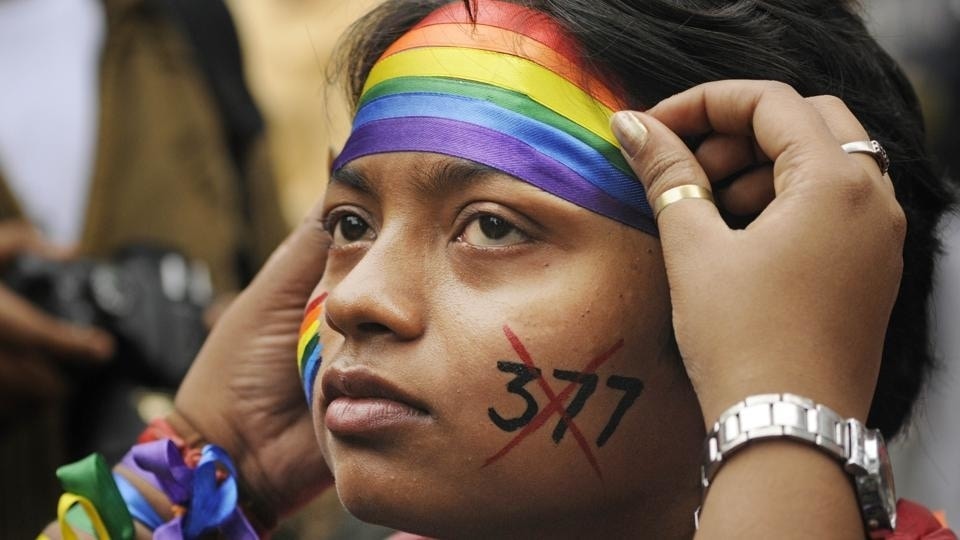
In what was a historic verdict in the history of Indian constitution, the Supreme Court in September 2018 had decriminalised Section 377 of the Indian Penal Code (IPC), which termed sex between two consenting homosexual individuals to be an “unnatural offence.” The Section remains relevant in cases of non-consensual sexual acts, sex with minors, and with animals. However, legal recognition and/or acceptance of same-sex marriage is yet to happen in India.


