
 E-Paper



Dependence on private tuitions logs steep rise, says ASER report
ASER report showed that the largest increases in the proportion of children taking tuition was seen among children from the most disadvantaged households.


New Delhi: Nearly 40% students in rural India are dependent on paid private tuition classes, a 11 percentage point rise from three years ago, the Annual Status of Education Report (ASER) 2021 released on Wednesday, attributing the spike to prolonged closure of schools due to the Covid-19 pandemic.
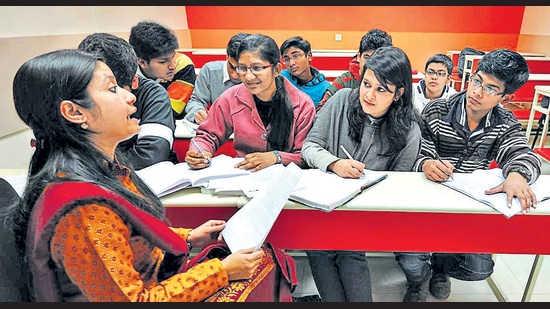
The report showed that the largest increases in the proportion of children taking tuition was seen among children from the most disadvantaged households.
“Taking parental education as a proxy for economic status, between 2018 and 2021, the proportion of children with parents in the ‘low’ education category who are taking tuition increased by 12.6 percentage points, as opposed to a 7.2 percentage point increase among children with parents in the ‘high’ education category,” the report said.
The survey, conducted in rural areas across 581 districts in 25 states and three Union Territories between September and October, found that more students were dependent on paid tuition classes during the pandemic period with their percentage rising from 32.5% in 2020 to 39.2 % in 2021. This figure was 28.6% in 2018.
The jump was seen across states. “In fact, the incidence of tuition has increased across almost all states- perhaps a natural response to prolonged school closure,” the report said.
States like Arunachal Pradesh, Uttar Pradesh and Nagaland saw the sharpest increase in tuition between 2018 and 2021. In Arunachal Pradesh, the number of students opting for tuitions increased from 26.6% in 2018 to 46.3% in 2021, followed by UP and Nagaland where it rose by 19.1 percentage points each. In UP, the number jumped from 19.6% in 2018 to 38.7% in 2021 and in Nagaland, it increased from 27.9 % in 2018 to 47% in 2021.
Kerala bucked the trend with the number of students opting for private tuitions dropping from 28.3% in 2018 to 18.8% in 2021. Dr Wilima Wadhwa, director of ASER centre, suggsted it could be because children might not have been able to attend even tuitions due to the relatively higher number of infections in the state.
“In 2018, well over 50% of children of school going age in Odisha, Bihar and West Bengal were taking some form of tuition classes. In 2021, this figure has crossed 60% in Odisha and well over 70% in Bihar and West Bengal,” the report said.
The 16th edition of the report by Pratham foundation was based on a household telephonic survey. As many as 76,706 households with 75,234 children between 5 and 16, apart from teachers and staff from 7,300 government schools, were covered.
The report highlighted that the percentage of girls seeking tuitions remained less than the number of boys. However, from 2018 to 2021, there was a 10 percentage point increase in tuition taking in both sexes, reflected in the jump from 30% to 40.3% in case of boys and 27.2% to 37.9% for girls.
“The closure of schools for physical classes during pandemic is a reason for rise in tuition. Parents enrolled their children in nearby tuition classes to utilise the time. I believe that the trend of tuition will go down again once the schools reopen completely,” said Satish Chandra Dwivedi, basic education minister of Uttar Pradesh.


