
 E-Paper



Digital media may require regulation, TV doesn’t: Govt
In an affidavit filed on Thursday before a bench headed by justice DY Chandrachud, the Centre said that electronic media was already governed by laws made by Parliament and previous judgments delivered by the top court.

 Prefer HTon Google


The Union government on Thursday urged the Supreme Court to refrain from laying down guidelines to regulate electronic media such as television channels, but if the court does embark on the process, suggested that it should first be undertaken for digital media including web portals and YouTube channels.
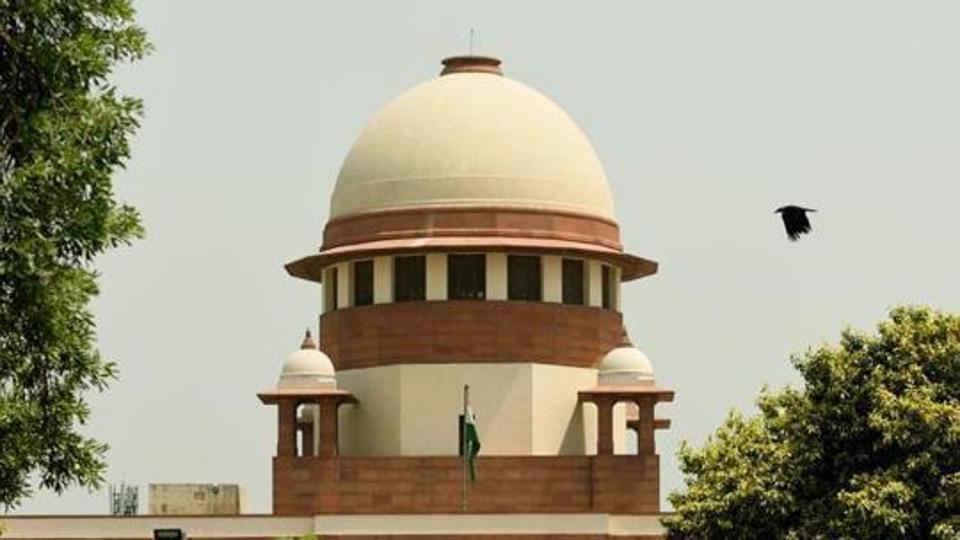
In an affidavit filed on Thursday before a bench headed by justice DY Chandrachud, the Centre said that electronic media was already governed by laws made by Parliament and previous judgments delivered by the top court.
This court may not undertake the exercise of laying down any further guidelines… it is desirable that if this court decides to undertake the exercise, it should first be undertaken with regard to digital media, as there already exists sufficient framework and judicial pronouncements with regard to electronic media and print media,” the government submitted.
The affidavit was filed in the case against television (TV) channel Sudarshan News, which came into the limelight after it telecast a show called “Bindas Bol” relating to the entry of Muslims in the civil services.
The top court on September 15 barred further telecast of the controversial programme and took strong exception to the contents of the show, observing that the first four episodes gave an impression that it was being aired with the insidious objective of vilifying the Muslim community and to bring it into disrepute.
The bench, which also comprises justices KM Joseph and Indu Malhotra, also expressed an inclination to hold a detailed hearing to decide on regulation of TV news channels and suggested the appointment of a committee of five distinguished citizens to frame standards for regulation of the electronic media.
In its affidavit, the Centre submitted that no such exercise needs to be undertaken merely based on few episode of one channel, Sudarshan News.
“Even if this court considers it appropriate to undertake the said exercise, there is no justification to confine this exercise only to mainstream electronic media. Digital media has faster reach from wider range of viewership / readership and has the potential to become viral because of several electronic applications like Whatsapp, Twitter (and) Facebook,” the affidavit stated.
The case will be taken up for hearing on Friday.
Meanwhile, Sudarshan News filed its response in the matter on Wednesday defending the programme and the use of the term “UPSC Jihad” in the programme.
The Noida-based channel maintained that it has no ill will against any particular community or individual, and does not oppose selection of any meritorious candidate. The programme, it claimed, was intended to highlight the allegedly dubious sources of foreign funding received by an organisation with links that supports and provides coaching for civil service aspirants.
“The issue the court had sought reply from the Central government was as to whether the specific programme in Sudarshan TV using specific expressions like ‘UPSC Jihad’ was permissible under the present legal framework and if not, what guidelines are required to be framed to avoid this occurrence in future. In this regard, the counter-affidavit appears to be evasive if not supportive of the broadcast of the programme in question. The question as to whether digital media has to be regulated or not was a non-issue before the court and ought not to have been gone into,” Supreme Court advocate Sriram Parakkat told HT.


