
 E-Paper



Ease of purchase: Better experience for buyers ahead in Delhi's liquor policy
The Delhi government announced details of an overhaul of its liquor policy, which was approved by the chief minister. The new rules will now be drafted and sent to Lieutenant Governor Anil Baijal.

 Prefer HTon Google


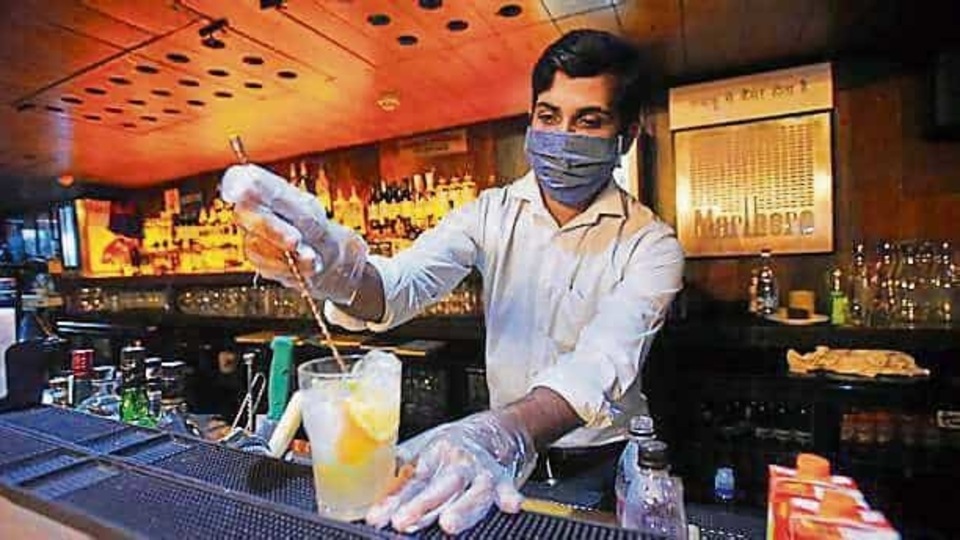
Letting private sector handle alcohol retail, requiring shops to mandatorily allow customers to enter for purchases, and opening doors for new “super-premium” liquor vends for high value products are expected to significantly improve the experience for consumers, experts and citizens on Monday said, listing problems in the way sales happen in most parts of the Capital at present.
The Delhi government announced details of an overhaul of its liquor policy, which was approved by the chief minister. The new rules will now be drafted and sent to Lieutenant Governor Anil Baijal.
Also read | Liquor policy: Govt divides Delhi into 32 ‘zones’ to streamline excise earnings
“The current retail experience is like a jail. When you go to a shop, there is a grille and people rush and throw money to buy liquor. There is no dignity. It will no longer be like that,” deputy chief minister Manish Sisodia said at a press briefing.
Among the main measures to improve the buying experience is a rule that will need any liquor vend in the city to be at least 500 square feet in size. “There can be no counters facing towards the road. They will have to ensure that liquor sale and pick up takes place properly inside the shop premises. The shop owners will have to ensure law and order outside the shop,” Sisodia said.
The government also decided that it will exit the retail sale business, and allow private companies to step in. “We have detected revenue leakages in the government shops -- through tax evasion, brand pushing and other means. Also, most government shops operate with 150 sq ft space. Several of them have grilled counters,” said Sisodia.
The proposed policy includes a new license category to enhance the liquor-buying experience for those looking for high-end products. The government wants these to be at least 5,000 sq ft in area, and deal in sales of premium brands only. The plan allows these to be open for an hour longer than the usual closing time.
Also read: Microbreweries likely to be allowed take-away and supply to bars
Consumers said the proposed policy could improve customer experience.
“The new policy sounds good. For women, most government shops are no-go zones. They are very crowded and women do not feel safe. Then there is this taboo about women buying liquor. That is one reason why most of my women friends prefer going to private outlets,” said Akanksha Nagpal, manager at an audit firm based in Delhi.
Arijit Sen, who works with a legal consultancy company, said the biggest concern with government retail shops has been the lack of room to explore brands, “In peak hours, one has to have a certain brand in mind. Sometimes, shop owners push another brand as an alternative. The range of stock too is a major issue. These problems are likely to get resolved with private players taking over,” he said.
Industry representatives welcomed the move, but said the implementation needs to be carefully done and the policy studied further.
“If the government has decided to exit the retail sector, it must do so in a carefully calibrated and phased manner — their exit from the retail sector at one go can potentially give disproportionate power to private license holders, lead to cartelisation with undue control on brand availability — thus disrupting the organic demand-supply mechanism. That will lead to customers facing the same old problems,” said Vinod Giri, director-general of the Confederation of Indian Alcoholic Beverage Companies.


