E-Paper



El Nino could be unprecedented, may rise to 3.8°C above average between Nov-Jan: WMO
A peak is likely in December, with weather patterns to be disrupted globally, including higher than normal temperatures and weaker rainfall in south and southeast Asia, including India

 Prefer HTon Google


The World Meteorological Organization (WMO) in its latest seasonal climate outlook has said the current El Nino event could be “unprecedented in strength” and may rise to 3.8°C above average between November 2026 to January 2027 period. A peak is likely in December, with weather patterns to be disrupted globally, including higher than normal temperatures and weaker rainfall in south and southeast Asia, including India.
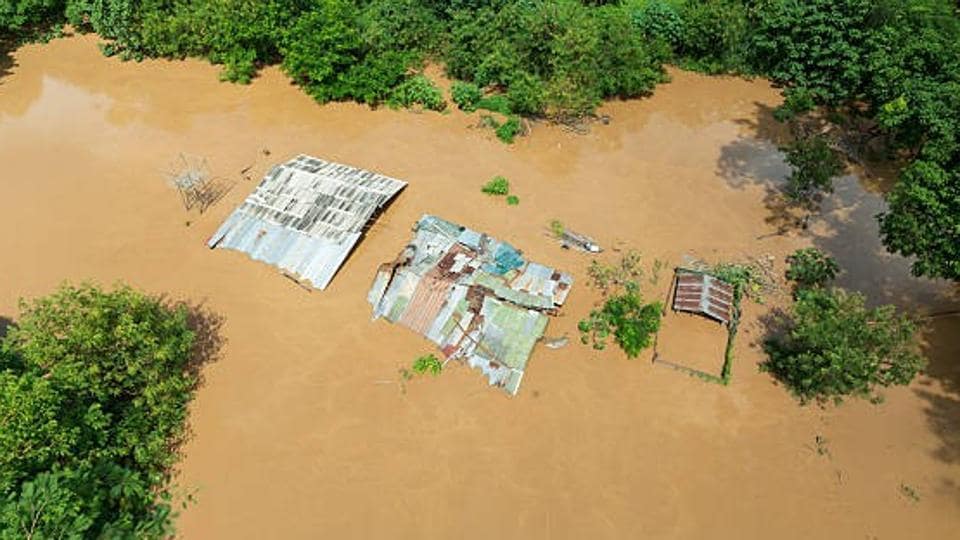
WMO declares an El Niño when the sea surface temperature anomaly in the tropical Pacific is 0.5°C and higher. The outlook, shared late on Wednesday, said a very strong El Niño disrupts normal temperature and rainfall patterns and can bring severe drought to some regions, heavy rainfall and flooding to others. Overall, increased heat is likely across large parts of the world.
On Wednesday, the United Nations Environment Programme (UNEP) also released a new report, stating if current policies continue, global warming could reach 2.8°C above pre-industrial standards within this century and increase thereafter. It said urgent and stringent cuts are needed to greenhouse emissions to minimize the magnitude and duration of this overshoot and to return to 1.5°C by the end of the century.
Also Read:Growth in buildings remains robust in India, Southeast Asia: UNEP report
In its latest outlook for south Asia, WMO said normal to above normal maximum and minimum temperatures are likely over most parts of the region, which includes Afghanistan, Bangladesh, Bhutan, India, Maldives, Myanmar, Nepal, Pakistan and Sri Lanka.
“The southern parts of South Asia – specifically southern India, Sri Lanka, and Maldives - receive significant amounts of rainfall during the October to December season, which is critical for agricultural operations. Northeastern parts, including Afghanistan, also receive a sizable proportion of annual precipitation during these months,” the outlook said. While the southwest monsoon departed India on October 15, simultaneously, northeast monsoon rains began in southern India on the same day. This seasonal rain is likely to suffer ahead.
“This is literally off the monitoring charts that we have used for the past four decades. El Niño will peak towards the end of 2026 but its impacts will be felt long after that,” WMO Secretary-General Celeste Saulo said on Wednesday, sharing an update on El Niño, but adding it does not have to be a recipe for humanitarian disaster.
“We have the science, the forecasts and the early warning systems to save lives and protect livelihoods. What we need now is decisive action, especially to protect the most vulnerable communities,” Saulo told a joint press conference with Tom Fletcher, UN Under-Secretary-General for Humanitarian Affairs and Emergency Relief Coordinator.
WMO’s forecast for east Africa shows wetter-than-normal conditions, with increasing concerns about heavy rainfall and flooding, while southern Africa should suffer with drier conditions.
Across north and south America, increased rainfall is likely in the northwest US and southern parts of western South America.
Also Read: Earth’s climate more out of balance than at any time in observed history: WMO
“North America and the northern portion of the Caribbean is also expected to face above normal precipitation. In turn, there is increased drought risk in parts of Central America, the southern Caribbean and the Amazon,” it said.