
 E-Paper



Elephants from Karnataka to be taught Hindi in Jharkhand as commands get lost in translation
The elephants, who will patrol the jungles and also be part of safari expeditions, arrived in the reserve from Karnataka on March 27, responding to commands given only in Kannada

 Prefer HTon Google


It is a language problem of giant proportions.
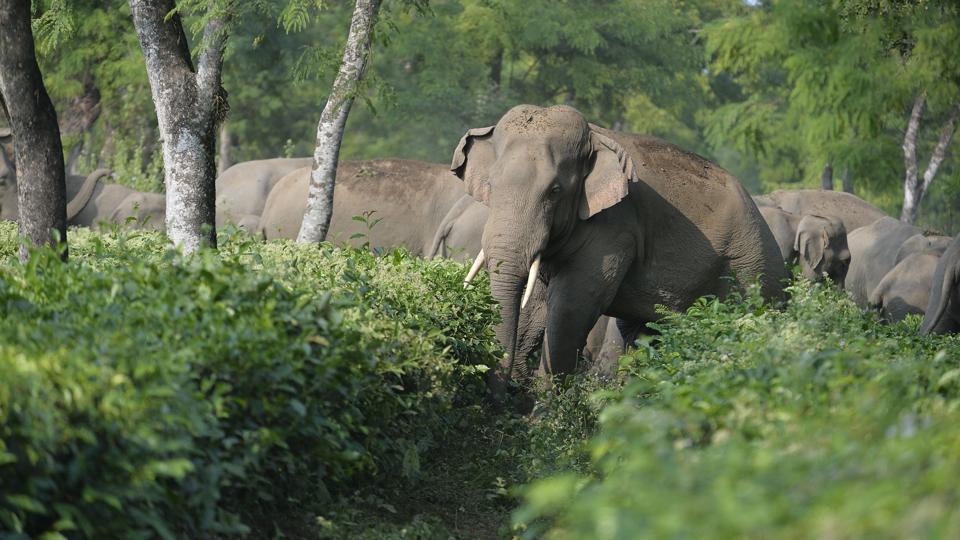
Local mahouts assigned to three elephants brought to Jharkhand’s Palamu tiger reserve from Karnataka are struggling with their new charges.
They can’t get across to the animals who only respond to commands in Kannada, their “mother tongue”. The elephants were in Karnataka’s Bandipur National Park before they were moved to the reserve last month.
To overcome the language barrier, the elephants will be “taught” Hindi and their new mahouts Kannada so that nothing gets lost in translation.
“Elephants only understand phonetics and body language. The difference in phonetic patterns of Kannda and Hindi is impeding their understanding, causing poor responses to commands in Hindi,” reserve’s field director MP Singh said.
Two mahouts and a kawadi, one who arranges food and washes elephants, from Karnataka are helping Kaal Bhairav, Sita and her calf, Murgesan, settle in.
The elephants, who will patrol the jungles and also be part of safari expeditions, arrived in the reserve on March 27.
They were working to ensure a smooth transition from Kannada to Hindi with the help of mahouts from Karnataka, who were assisting local mahouts, Singh said. “Earlier, we expected this to happen in a month’s time, but it is now expected to take longer.”
An expert in elephant behaviour and a member of the Jharkhand wild life board, Dr DS Srivastava said it was natural for elephants to have problems in obeying commands in a different language used by a different person.
“Elephants usually develop a very close bond with their handlers. Communication between both of them is very complex. It will take time before animals start trusting new handlers,” he said.
Not just elephants but their local mahouts, too, have some learning to do.
Lal Bihari and Yogendra will learn commands in Kannada from Manjul, Kaal Bhairav’s mahout, and then train the animal to respond to the same messages in Hindi.
Sita and Murgesan will be tutored by Ramprasad and Birendra, who in turn will take Kannada lesson from their mahout Mari.
Manjul and Mari will head home once the animals break the language barrier.


