
 E-Paper



E-passports will enhance data security, says govt; explains how
The e-passports were announced by finance minister Nirmala Sitharaman in her Budget speech on February 1. External affairs minister S Jaishankar said that these passports are being tested and will be rolled out in six months.

 Prefer HTon Google


Days after Union finance minister Nirmala Sitharaman announced the rolling out of chip-based e-passports, external affairs minister S Jaishankar explained how they will enhance security. According to officials, the e-passports will ensure smooth passage at immigration posts globally.
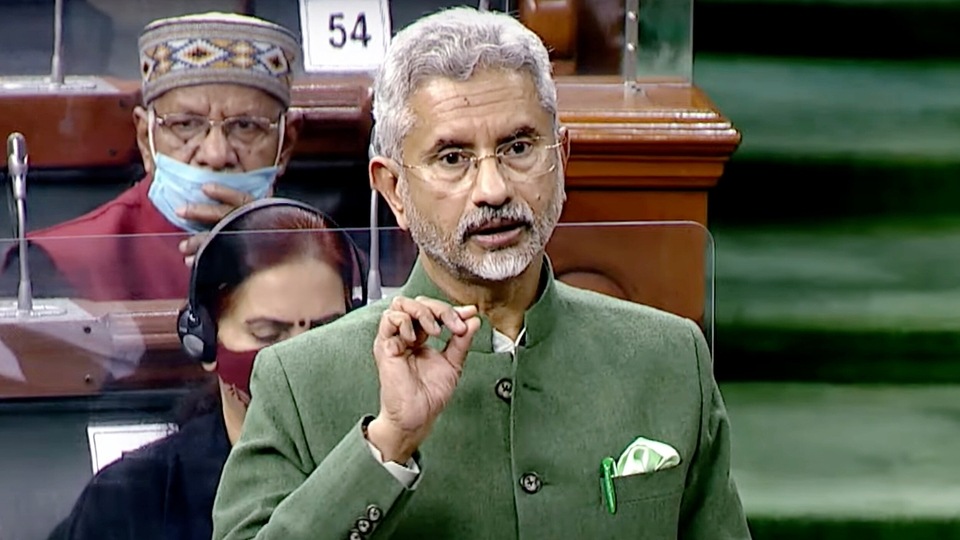
Jaishankar said that the e-passports will contain multiple layered security.
"The digital signature which will secure the data will be sent to other countries for recognition purposes," he told the Lok Sabha on Friday.
"The e-passports will ensure multiple layered security as the data will be on paper like regular passports and also on the verified chips," the minister added.
Jaishankar further said that e-passports will be available in six months, as reported by Hindustan Times’ sister publication Livehindustan.
He said that the process has started and Letters of Intent (LoIs) have been issued for 4.5 crore chips. “We are confident that within six months after the contract is awarded, we will be in a position to initiate the process of issuing e-passports,” said the minister.
Talking about data security, Jaishankar said that it is inserted into the chip through a specific process and printed with a special printer. He said that this process takes place in several stages.
Some sample e-passports are being tested, added Jaishankar, to ensure data theft and skimming can be avoided.
Key things about e-passports:
• The new passport jacket will contain an electronic chip with security-related data encoded on it for advanced security and convenience for citizens.
• As part of the advanced security features, the personal data of applicants would be digitally signed and encoded in the chip to be embedded in the passport.
• Any tampering with the same would be identified and will result in the failure of the passport authentication.
• The new booklet will be produced at the India Security Press in Nashik and the contactless inlays will be International Civil Aviation Organization (ICAO)-compliant.


