
 E-Paper



EU debates J&K, expresses concern
The plenary debate on Tuesday lasted less than an hour and was joined by more than 20 Members of European Parliament (MEPs). It witnessed both support and criticism for India’s August 5 decision to revoke Jammu and Kashmir’s special status


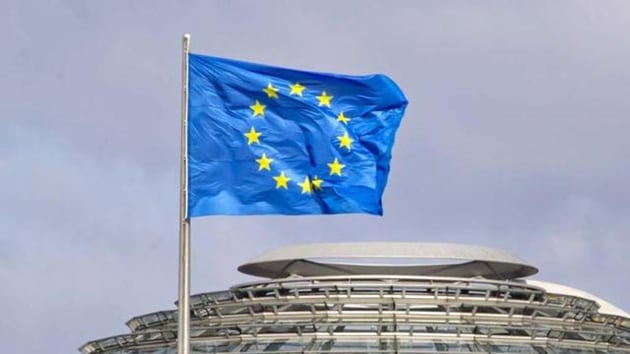
The European Parliament has debated the Kashmir issue for the first time since 2008, with EU high representative for foreign affairs Federica Mogherini expressing concern at the situation and “restrictions on fundamental freedoms”.
The plenary debate on Tuesday lasted less than an hour and was joined by more than 20 Members of European Parliament (MEPs). It witnessed both support and criticism for India’s August 5 decision to revoke Jammu and Kashmir’s special status and to split the state into two union territories.
Most members of the European Union (EU) have shown understanding for India’s changes in Jammu and Kashmir but there has been criticism of the security lockdown, communications blackout and alleged human rights violations.
“We remain concerned about the situation on the ground, with its restrictions on fundamental freedoms. It is crucial that freedom of movement and means of communication are fully restored as well as access to all essential services,” Finnish minister of European affairs Tytti Tuppurainen said while delivering a speech on Mogherini’s behalf.
“In a moment of rising tensions in different regions around the world, no one could afford another escalation in Kashmir. Regional cooperation in South Asia is now more essential than ever, and we will continue to encourage India and Pakistan to resume dialogue and find a peaceful solution for their disputes,” she added.
There was no immediate response from Indian officials. India has said the changes in Kashmir are an internal matter and the restrictions imposed on August 5 are being gradually eased.
Mogherini’s speech said India and Pakistan had deployed additional troops on their sides of the Line of Control (LoC), and that while some restrictions were “reportedly lifted, the situation has not returned to normalcy”.
In 2008, the European Parliament had passed a resolution calling on India to investigate allegations of mass graves in Jammu and Kashmir.
During Tuesday’s debate, Geoffrey Van Orden, a Conservative Party member of the European Parliament, backed India’s actions in Kashmir, which he said should have been “part of India”. He described Pakistan as a source of nuclear proliferation that promotes terror across the LoC.
Fulvio Martusciello, of the European People’s Party (Christian Democrats), criticised Pakistan’s threat to use nuclear weapons and said terrorists had prepared on Pakistani soil for attacks on Europe.
Shaffaq Mohammad, a British MEP of Kashmiri origin, and Nosheena Mobarik, a British MEP of Pakistani origin, were critical of India’s actions and sought the restoration of Kashmir’s autonomy.
Neena Gill, a Labour Party MEP, criticised Pakistan for the reorganisation of Gilgit-Baltistan and handing over territory from the erstwhile Kashmir state to China, as well as the harassment of minorities. Gilles Lebreton of France’s National Front, said Indian forces were often attacked by Pakistan-backed terror groups and India’s action showed it was prepared to fight Islamist terrorism. Ryszard Czarnecki of Poland said those responsible for terror attacks in India “didn’t come from the moon, they came from a neighbouring country.


