E-Paper



Even Hindi films follow procedures: HC on Assam police bulldozing houses of accused
The Gauhati high court has pulled up Assam Police for demolishing the houses of five people accused of burning a police station in Nagaon district in May, stating that even in films, police follow procedure before taking any action.

 Prefer HTon Google


The Gauhati high court has pulled up Assam Police for demolishing the houses of five people accused of burning a police station in Nagaon district in May, stating that even in films, police follow procedure before taking any action.
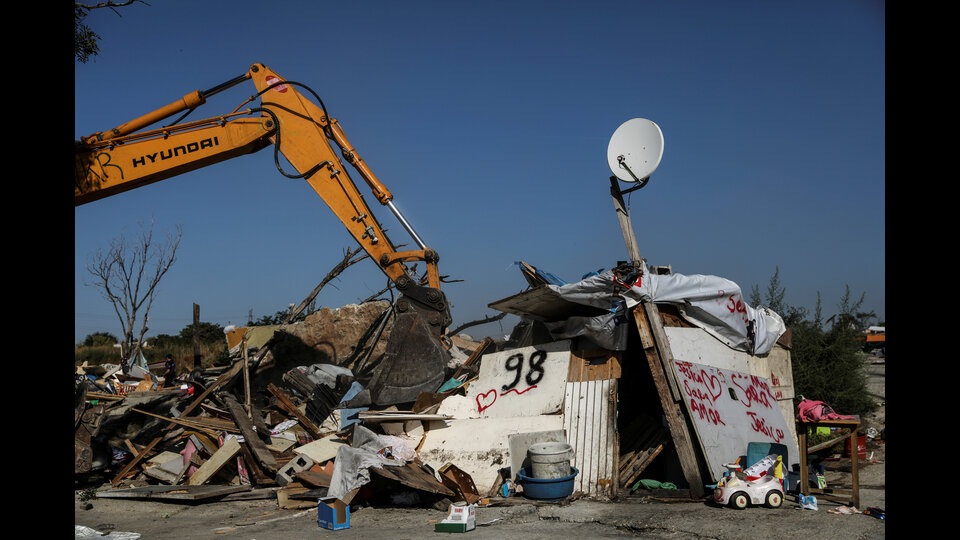
Police in Nagaon district had demolished the homes of five Muslims on May 22, less than 24 hours after an irate mob torched the Batadrava police station on fire over the alleged custodial death of fish seller Safikul Islam.
Hearing a suo motu PIL on Thursday in connection with the demolitions, the court took a strong stand against the police proceeding without proper orders.
“Show me from any criminal jurisprudence that for investigating a crime, the police, without any order, can uproot a person or apply a bulldozer. The SP [Superintendent of Police] requires permission to dig up or bulldoze a house. Only because they head the police department, they can’t break anybody’s house,” said chief justice RM Chhaya.
Leena Doley was the SP of Nagaon at the time. While it was alleged that Islam was tortured to death for refusing to pay bribes, the police maintained that he was picked up in a drunken state and released later.
Responding to government counsel D Nath’s submission that drugs and other contraband were found from the razed houses, the chief justice said there was no law that permitted the police to take such steps without following procedure.
“Nobody is safe in this country if that is permitted. Procedure has to be followed. Which law permits you to do this? Without prior permission of the court, you can’t even search somebody’s house. It is unheard of. With my limited career in the Bar, I have not come across any police officer using the bulldozer by way of a search operation,” said the chief justice.
In a lighter vein, he suggested that the Nagaon SP convey the story of the demolitions to a popular director so he can make a film on the subject.
After the houses were demolished, police had stated that they were constructed illegally on government land using forged documents and that the inhabitants were involved in drug dealing and other criminal activities.
“Even in films (when police dig up someone’s house) they show the order first... Is this a gang war or a police operation? One can understand if this happens in a gang war. That one person of one gang uproots the house (of another from a different gang) with a bulldozer,” said the judge on Thursday.
“We are in a democratic set up. Tomorrow, if someone enters the courtroom and sits here, your police authorities will remove the chairs under the guise of investigation. What type of investigation (if this)?” he added.
The CJ stated that even if there are drugs or some other contraband involved, police need to approach the magistrate and take permission before demolishing someone’s house.
The matter came up for hearing on Friday as well and at the request of the government counsel, it was adjourned till December 13.
Besides the houses in Nagaon, police in Assam have razed three madrasas this year following arrests of persons connected to them for alleged jihadi activities.