
 E-Paper



Banned pesticides critical to food security: Govt inputs to expert panel
The commerce ministry said that the country’s pesticide export could take a hit of nearly ₹10,000 crore if these pesticides are de-registered

 Prefer HTon Google


New Delhi: The Centre has not taken a decision to lift a ban on 24 of the 27 pesticides curbed by many countries, especially in Europe, but an expert committee found the chemicals potentially save massive crop losses while key Union ministries apprehended food-security risks from deregistering them, two people aware of the matter said.
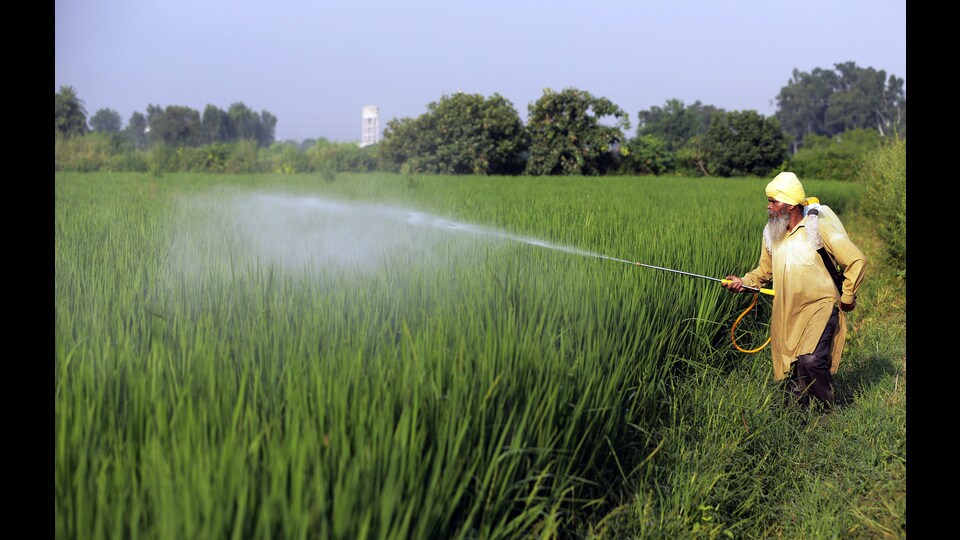
In January 2021, the agriculture ministry had formed a scientific panel led by TP Rajendran, a former assistant director general of the Indian Council of Agricultural Research, to study all aspects of these pesticides, including their efficacy, toxicity, impact on farming, food security, and their global status.
Prior to that, the Union government had called for views of manufacturers, farmers, experts and other stakeholders on the issue of phasing out over 60 anti-pest chemicals deemed hazardous to humans and the environment.
The Union department of chemicals and fertilisers, in its inputs, said manufacturers, especially small and medium enterprises, had made substantial investments for making these chemicals and their proscription would “jeopardize” the industry, one of the people said.
The bunch of pesticides includes chemicals such as acephate, applied to protect almost all vegetables from devastating attacks from insects like aphids, including resistant species. Malathion is another, widely used in crops as well as to kill mosquitoes.
Along with malathion, deltamethrin is an insecticide of choice used to protect grains in scientifically managed storage facilities, the food ministry said in its inputs, a second official said. The commerce ministry said in its inputs that the country’s pesticide export could take a hit of nearly ₹10,000 crore if these pesticides are de-registered.
Many of the 27 pesticides are organophosphates. Europe has banned many organophosphate pesticides following scientific evidence they caused “adverse neurodevelopmental outcomes in children”, according to a Greenpeace report on March 23. Yet, Europe continues to exports these chemicals.
According to a member of the Rajendran panel, over 600 farmer organisations and even states did not favour a ban, as it will increase cultivation costs by up to 20-22%, leading to food inflation.
“Applied scientifically, they are not harmful. Also, a ban on these pesticides would also result in imports of costlier alternatives,” a pesticide industry representative said, requesting anonymity.


