
 E-Paper



Flag ‘unfurling’ on Republic Day and ‘hoisting’ on Independence Day, what's the difference?
On Friday, the nation is celebrating its 75th Republic Day.

 Prefer HTon Google


The nation is celebrating its 75th Republic Day on Friday, with January 26 being the date on which, in 1950, the Constitution of India – adopted by the Constituent Assembly on November 26, 1949 – came into effect, and the country became a Republic.
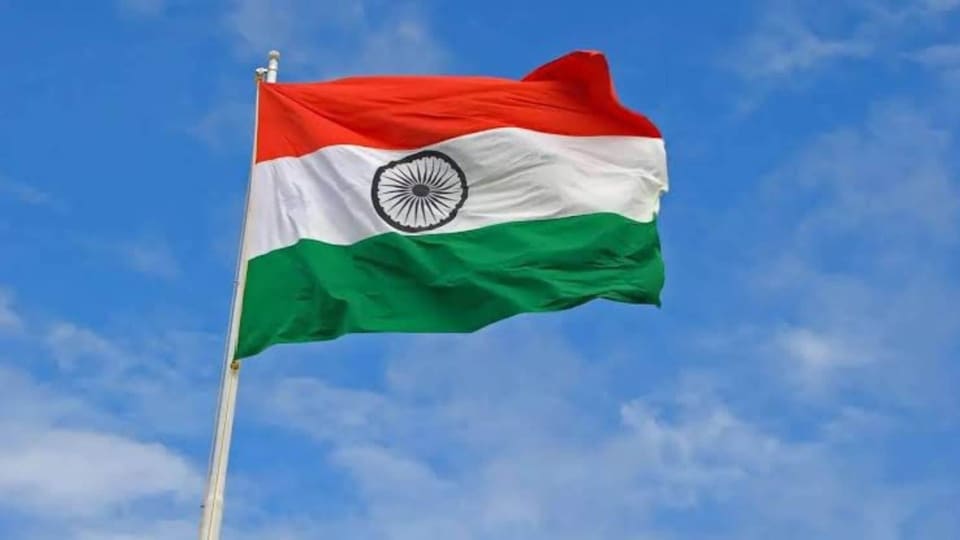
Click here for live updates on Republic Day 2024 celebrations
On Republic Day every year, the President of India, who is the head of state, ‘unfurls’ the tricolour, while on Independence Day (August 15), the prime minister, who heads the Union government, ‘hoists’ the national flag. While the two terms are often used interchangeably, these represent different techniques of presenting the tricolour.
‘Unfurling’ vs ‘hoisting’: What's the difference?
The crucial difference lies in how the tricolour is positioned during the two ceremonies. On January 26, the flag is folded or rolled-up, and attached to the top of a pole. It is then unveiled (‘unfurled’) by the President, who does so without pulling it up.
Also Read | Republic Day 2024: Emmanuel Macron chief guest, flag hoisting, parade time and other details. Top points
On August 15, on the other hand, the flag, positioned at the bottom of the pole, is raised ('hoisted') by the prime minister, from the bottom to the top.
What does each exercise signify?
‘Unfurling’ is a symbolic gesture to renew the commitment to principles laid down in the Constitution, highlighting India's shift from being a British colony to becoming a sovereign, democratic Republic.
Also Read | Republic Day 2024: 1,132 personnel to be awarded gallantry and service medals
The Independence Day ‘hoisting,’ meanwhile, symbolises the rise of a new nation; patriotism, and freedom, from the colonial rule. It includes a ceremonial event with a military or civilian honour guard raising the flag while the national anthem is played.


