E-Paper



Folk songs reflect as if corruption is a way of life: Uttarakhand HC
The High Court referred to Narendra Singh Negi’s folk songs while passing an order for a CBI probe against Chief Minister Trivendra Singh Rawat on Tuesday. On Thursday, the Supreme Court stayed the CBI probe.


Emphasising that “the folk songs reflect the perception of people”, Uttarakhand high court in a recent order cited two songs of state’s famous folk singer Narendra Singh Negi, saying the folk songs written and sung by Negi reflect “as if corruption is a way of life”.
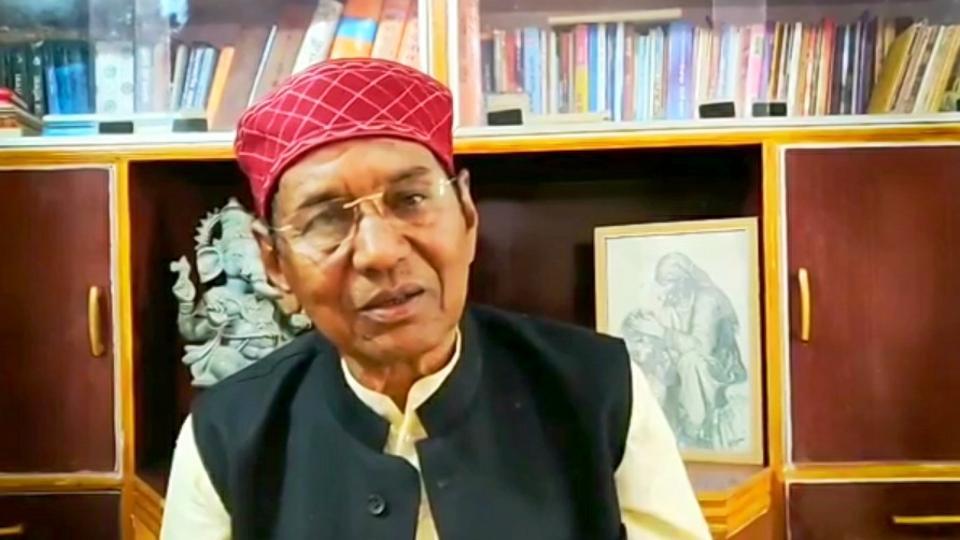
The court not only cited the extracts of two songs but also provided a translation of both the extracts and YouTube link of the song.
The 83-page order issued on Tuesday, in which the court had ordered CBI inquiry into the allegations against chief minister Trivendra Singh Rawat, stated “Corruption is such a menace which has penetrated in every realm of life. It appears as if society has normalised it. The folk songs reflect the perception of people. Living in Uttarakhand, the folk songs (written and sung by Narendra Singh Negi) reflect as if corruption is a way of life. Extracts of two of such songs are as below”, the order said
The translation of the first song quoted in the order goes like this, “Nobody ever sees a fish drinking water or a bird sleeping on the branch of a tree. Everybody knows that our officer brother takes bribes, but nobody ever saw him taking it…”
The translation of the second song quoted by the HC goes like this, “The riches of all the commission and the perennial stream of bribes. The riches of all the commission and the perennial stream of bribes...Stop now!! How much are you going to eat?? Stop now…”
Singer Narendra Singh Negi, who hails from Pauri district said he has been writing and singing songs since the 1970s. “I have been writing songs on all kinds of issues. I don’t write songs against a particular party, but my songs reflect the social ills and corruption in our society. I have written anti-establishment songs during both Congress and BJP regime in the state”, he said
“Folk songs reflect the aspirations, experiences and perceptions of people. Whatever people feel strongly, reflects in their folk songs and it is a healthy way of bringing such issues to light. If there is corruption in society, its reflection will percolate in folk songs also. Though I have written over 300 songs so far on varied issues, my anti-establishment songs have become more famous due to their increasing popularity,” said Negi who resigned from a government job in 2005.
The HC order while talking about corruption in society, stated, “If allegations of corruption levelled against the people in high positions stay in society without them being inquired and cleared, it will neither help the society to grow nor the State to function efficiently.”