E-Paper



Foreign secretary Shringla to visit Myanmar to discuss humanitarian support, security situation
India’s foreign secretary Harsh Shringla will visit Myanmar on Wednesday for talks with the military junta and political parties against the backdrop of growing concern in New Delhi over the fallout of the humanitarian and security situation in the neighbouring country

 Prefer HTon Google


India’s foreign secretary Harsh Shringla will visit Myanmar on Wednesday for talks with the military junta and political parties against the backdrop of growing concern in New Delhi over the fallout of the humanitarian and security situation in the neighbouring country.
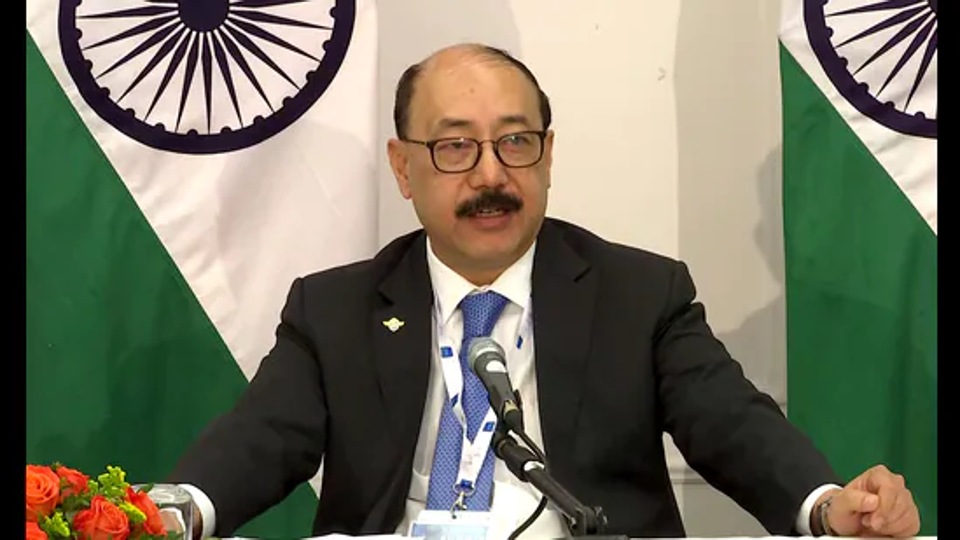
The external affairs ministry announced Shringla’s two-day working visit during December 22-23 – the first such trip from the Indian side since Myanmar’s military assumed power through a coup on February 1 – in a brief statement.
During the visit, the statement said, Shringla will “hold discussions with the State Administration Council, political parties and members of civil society”. Issues related to “humanitarian support to Myanmar, security and India-Myanmar border concerns, and the political situation in Myanmar” will be discussed, it said.
Shringla last visited Myanmar in October 2020, when he was accompanied by Indian Army chief General MM Naravane – the first time an Indian delegation to the neighbouring country included both officials. At the time, the two sides had discussed cooperation in areas ranging from security to connectivity.
There has been mounting concern in India over the Myanmar junta’s crackdown on nationwide protests against the coup, which has left more than 1,300 people dead and some 11,000 arrested, and a spike in the activities of armed resistance groups in areas bordering the strategic northeastern region.
More than 15,000 people who fled Myanmar have taken shelter in the northeastern states of Manipur, Mizoram and Nagaland, and there are fears that members of armed pro-democracy groups could sneak into India in growing numbers. Indian officials also fear that the instability in Myanmar’s border regions could boost the activities of anti-India militant groups, which have had bases in these areas for long.
In keeping with India’s long-standing stance of striking a balance between Myanmar’s military and political parties, New Delhi has pushed for dialogue between all stakeholders in the neighbouring country to settle their differences. India has also backed democratic transition and restoration of the democratic process in Myanmar since the coup.
On December 7, India expressed concern at the conviction of deposed leader Aung San Suu Kyi on charges of incitement and breaching Covid-19 restrictions in what was widely described as a “sham trial”.
India has also backed a central role for the Association of Southeast Asian Nations (ASEAN) in tackling the situation in Myanmar, though the 10-member bloc’s efforts to forge consensus on the issue have been affected by a move by the current chair, Cambodia, to directly engage with the military junta.
In response to a call by ASEAN’s secretary-general to provide humanitarian aid to Myanmar, India said it had delivered Covid-19-related relief items to the Myanmar Red Cross Society on November 27. This support was in addition to the contribution of $1 million to the Covid-19 ASEAN Response Fund.
...