E-Paper



‘Gharials in Chambal’: Officials yet to recover slain couple’s corpses
On June 3, Shivani’s father Rajpal Tomar, along with 15 other family members thrashed Shivani Tomar, 18 and her husband Radheshyam Tomar, 21, and shot them dead

 Prefer HTon Google


Twenty-five days after a couple was killed and their bodies thrown into the Chambal river in Morena, Madhya Pradesh, no efforts have been made to recover the bodies, the family of the slain man claimed, even as the police and State Disaster Response Force (SDRF) officers said they cannot dive into the water because of the presence of a large number of gharial, a fish-eating crocodile .
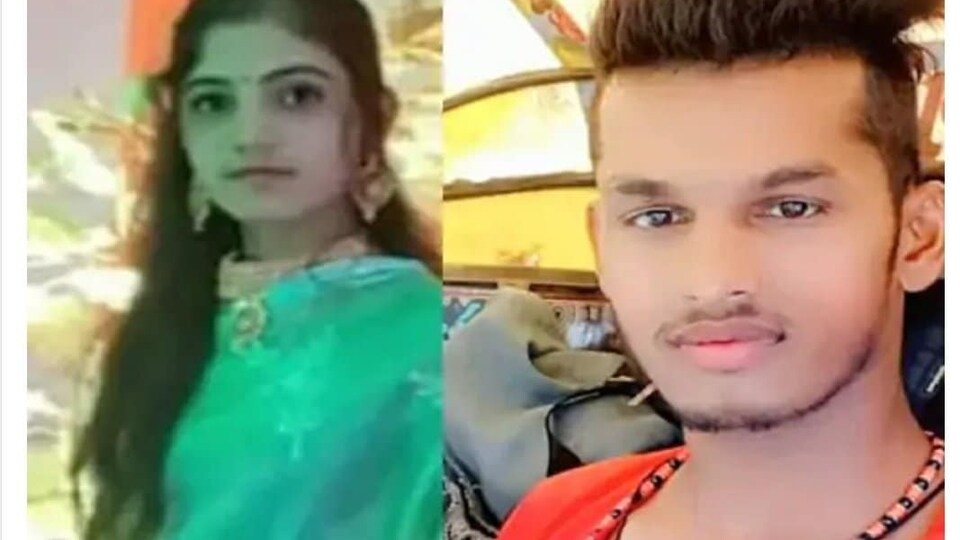
Shivani Tomar, 18 and her husband Radheshyam Tomar, 21 a resident of Pallukapura Ratan Basai eloped and got married in May. Later, police picked them up from Agra and handed them over to their families despite both being majors. It is still not clear why. On June 3, Shivani’s father Rajpal Tomar, a resident of Barwai village, along with 15 other family members thrashed the couple and shot them dead. They then stripped the bodies and threw them in the Chambal.
Interestingly, the accused confessed the crime on June 17 and police started rescue operations to fish out the bodies but abandoned them after two days on account of the gharial.
Radheshyam’s brother Ghanshyam alleged that this was an excuse: “Police wanted to make the case weak and that’s why they were not showing interest in recovering the bodies. From the very first day, police station in-charge Vinay Yadav and assistant sub-inspector Virendra Gurjar were trying to hush up the case.”
“We informed the police on June 3 that Rajpal Tomar had abducted my brother but they didn’t listen. The accused confessed the crime on June 17 but police arrested them on June 26. Now, they are not ready to fish out bodies or any evidence that can prove the murder,” he added.
He also alleged that the police demanded a bribe from him after the couple eloped and threatened to move the courts seeking justice.
On Monday, the state government transferred police station in-charge Vinay Yadav to police line and suspended ASI Virendra Gurjar .
Sub-divisional officer of police (SDOP) Parmal Singh Mehra said Vinay Yadav and Virendra Gurjar have been removed based on the allegation that they sought a bribe but added that recovering the bodies is very tough because of the gharial. “The divers are not ready to dive into the Chambal river to collect the bodies,” he added.
SDRF platoon commander Saurabh Tripathi added: “Deep diving is required to search tfor bodies in the river but we can’t enter in the water because of the gharial. We are using hooks to take out the body.” He added that divers couldn’t be trained to deal with the gharial. “Inside the water, we can’t fight with gharial.”
Interestingly, in March the bodies of five devotees who drowned in the Chambal following a crocodile attack were recovered in three days.
Legal experts say that without the bodies, it will be difficult to prove that a crime was even committed.
“There is a term called Corpus Delicti which means body of a crime. Without recovery of bodies, the accused will get benefit of doubt on whether a crime was committed or not,” said Raju Karan, a senior advocate in Bhopal. And confessions made to the police while in custody have no legal standing.