
 E-Paper



How Pakistan High Commission visa desk works as spying front in India: Arrest of Haryana's Wasim Akram reveals
The Malerkotla module was busted after Operation Sindoor, in which another official Danish alias, Ehsan ur Rahim, allegedly used locals for espionage

 Prefer HTon Google


The arrest of Wasim Akram, a civil engineer from Haryana, has blown open another case of corruption and misuse of the Pakistan High Commission’s visa desk for espionage purposes.
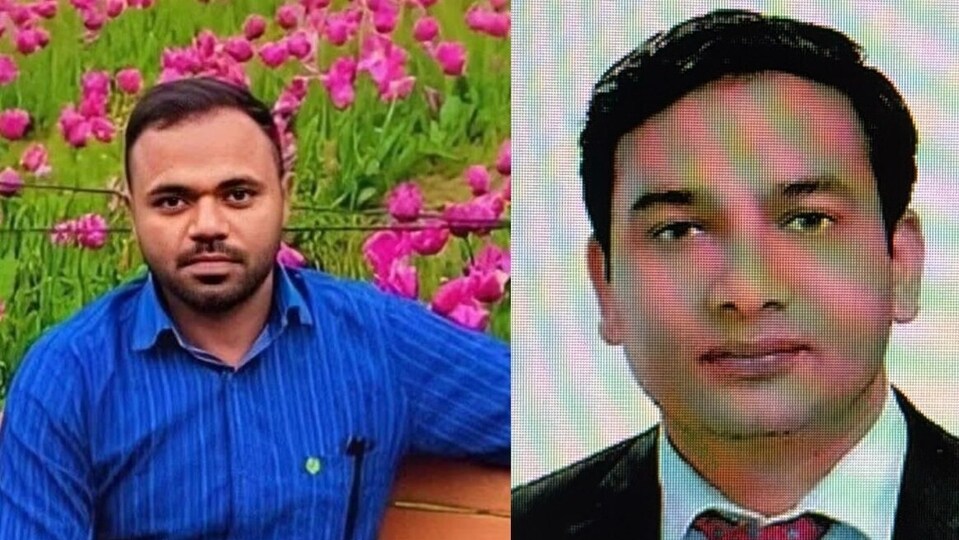
Akram, a resident of Haryana’s Palwal, was arrested on Tuesday under various sections of the Bharatiya Nyaya Samhita (BNS) and the Official Secrets Act (OSA). He allegedly worked as a data supplier for Pakistan High Commission official Jaffar alias Muzammil Hussain, sources told HT.
He met with the high commission official when he applied for a visa to travel to Pakistan to visit his relatives in Kasur. The visa application was initially denied but later granted after the civil engineer paid a bribe of ₹20,000. After that, Akram travelled to Kasur in May 2022, said investigators.
How Wasim Akram was used for espionage
Pakistan High Commission official Jaffar allegedly remained in touch with Akram through WhatsApp after he returned from Pakistan. The Palwal resident provided his bank account for a visa facilitation fund after he was promised a commission.
Around ₹5 lakh was allegedly transferred to Akram’s account, and more cash payouts were made through intermediaries. He allegedly delivered ₹2.3 lakh to the high commission official, including ₹1.5 lakh in cash. He also provided the official with SIM cards.
Akram is also accused of providing OTPs and sharing details of Indian Army personnel with his alleged handler.
Palwal module is a part of the pattern
The “Palwal module” fits into the same pattern exposed earlier in Malerkotla and Nuh, officials in the know said.
The Malerkotla case was busted earlier this year after Operation Sindoor, in which another Pakistani official named Danish alias Ehsan ur Rahim allegedly used locals for espionage after promising them visas. The alleged recruits got small UPI transfers in exchange for sensitive defence-related information, it's alleged.
Danish’s name also came to the forefront in the espionage case against travel influencer Jyoti Malhotra.
It has been noted that the Pakistan High Commission staffers exploit visa applicants through corruption and coerce them into supplying SIM cards and intelligence inputs. This was also seen in Nuh, where a man named Armaan was arrested for providing SIM cards and defence expo videos to the high commission official.
The use of intermediaries to channel funds also seems to be a part of the pattern. This points to a systematic abuse of the visa desk as a front for espionage.
It must be noted that both Danish and Jaffar have been declared persona non grata by the government of India after their names surfaced in the nexus.


