
 E-Paper



Having success in containment due to cooperation of people: Kerala finance minister
The Centre on Wednesday issued guidelines regarding the activities that will be allowed from April 20 to restart the economy amid the extended lockdown imposed to check the spread of Covid-19.


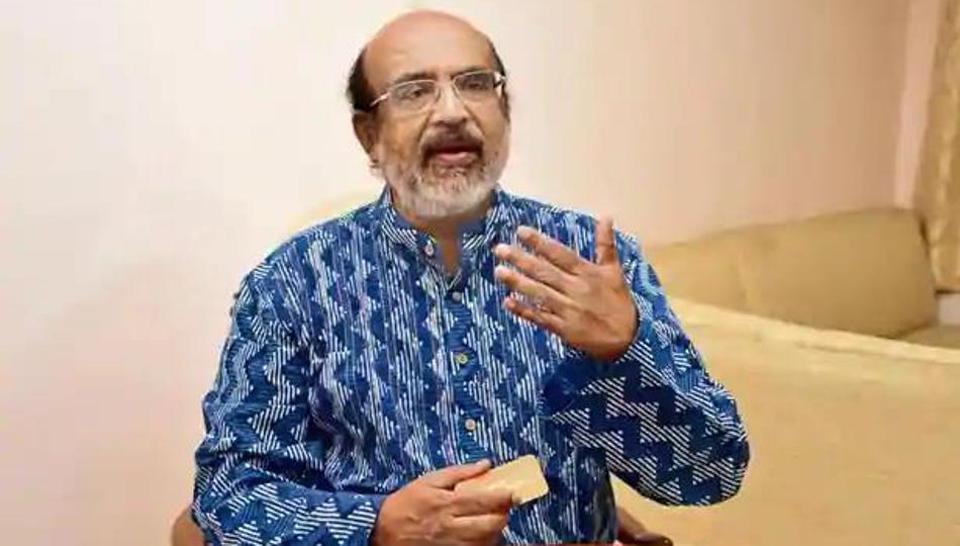
The Centre on Wednesday issued guidelines regarding the activities that will be allowed from April 20 to restart the economy amid the extended lockdown imposed to check the spread of Covid-19. Kerala’s finance minister Isaac Thomas spoke to Hindustan Times about the guidelines. Edited excerpts:
How do you see the guidelines?
There was no option other than extending the lockdown. After the three-week [lockdown], relaxations have been given primarily to the agrarian sector, which is very welcome. But I am worried that this [lockdown] extension comes without an extension of the Central government’s hand to the people... Three weeks have passed [and] for a majority Indians, all savings would have been exhausted by now. So you need a large scale income transfer. They [Centre] are totally mum about it. The central government is thinking about restarting MGNREGS [Mahatma Gandhi National Rural Employment Guarantee Scheme] work while maintaining social distancing norms. That is fine. But why cannot the government think of putting in half of last year’s earnings of MGNREGS workers into their [bank] accounts? If they do not want to give this for free, make them advance payments. This would not amount to additional expenditure. There is absolutely no thinking like that. Take, for example, small scale manufacturers and shops. [Over] three weeks... most of the items inside these shops would have been spoiled.. They should give them a day for cleaning and seeing what can be salvaged. The shops were shut all of a sudden and for so long. You cannot allow them to waste... condiments etc...[and] should be allowed to distribute [them]. There should be empathy. You demand from people seven or eight things to do but you do not give them anything in return.
Do you agree the guidelines, which conditionally allow industries in rural areas, will help labourers and migrants?
I would like to ask India’s salaried people that suppose your one-month salary is not paid, what would you do? We are so carefree... but just imagine that they [daily wagers] have spent three weeks with no income. They have to start. But how? ...it will take another month before anything happens. The minimum they [the Centre] could do is give them some income.
In Kerala, we are very serious about it. We face budget constraints but we have provided Rs 8,500 [pension money in advance] each to 5.5 million [socially and economically backward] people. The rest who did not get any money, we are providing Rs 1,000 each. It is a big amount for us. But it is one of the reasons that people are cooperating with the government and we are having such success in [Covid-19] containment. How have we succeeded? That is because of the cooperation of the people. Everyone who is [Covid-19] positive, you trace everyone, you test them all. All this cannot be done without the cooperation of the people. Their morale is very important. Therefore, in this fight, you have to take people along. If you are taking any lesson from Kerala, this is the most important.
What are your views about the continued bar on the sale of liquor?
I am not going to protest against that. A few days after the lockdown, we found it very difficult to curtail the crowds outside liquor shops and therefore it is the right decision.
How are you been handling migrant workers, who have been moving around and mistreated in parts of the country?
There is a real problem everywhere. In Kerala, we conducted a survey and the government is providing food if they do not have it. ...3,000 migrant labourers wanted to go back to Kolkata [from Kerala]... a bus was hired and they were sent all the way with food and medicine. I think that is the standard Kerala will be looking at. I know what we have done is not sufficient but we will try harder.


