E-Paper



Health ministry plans new unit to regulate all medical devices
In October, the health ministry put out a draft notification to regulate all medical devices in the country under the Drugs and Cosmetics Act, 1940.


The Union health ministry is gearing up to establish a dedicated unit to regulate all medical devices under the Central Drugs Standard Control Organisation (CDSCO), according to a ministry official.
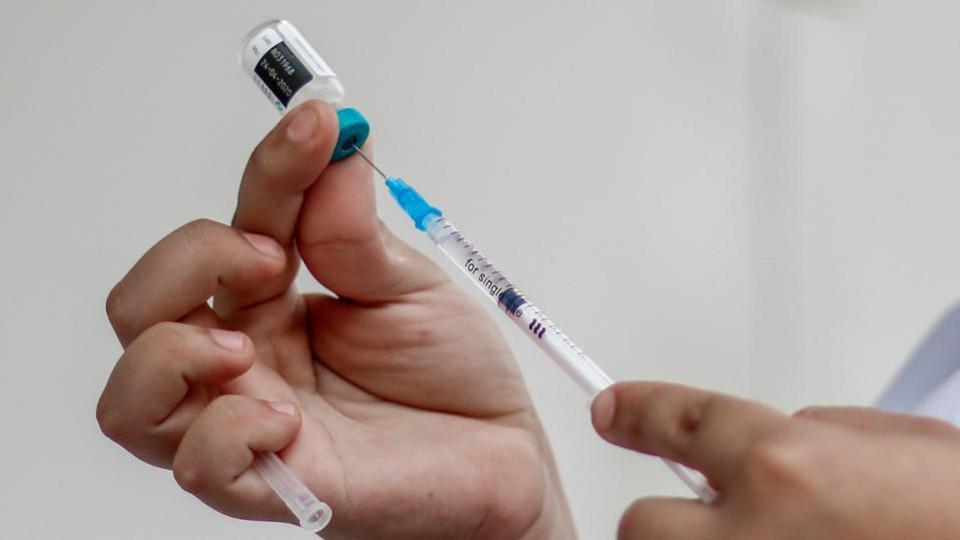
The Union finance ministry last month sanctioned 750 posts in different capacities for the unit’s headquarters in Delhi and three laboratories. The health ministry has recruited 25 inspectors last month to examine medical devices, and will be coming up with three dedicated laboratories for the same, said the same official cited above.
In October, the health ministry put out a draft notification to regulate all medical devices in the country under the Drugs and Cosmetics Act, 1940. According to the draft regulation, it is mandatory for all medical devices to get CDSCO certification for manufacture, sale, and distribution within India.
However, since drugs are different from medical devices, government think tank Niti Aayog had in October proposed a separate act for such devices. For the time being, the health ministry will regulate devices under the Drugs and Cosmetics Act, 1940, said another official in the know of things.
Only 23 of at least 5,000 medical devices available in the market at the moment are regulated by CDSCO, mainly due to lack of infrastructure, according to government estimates.
The new draft expands the scope to include all devices -- instruments, apparatus, appliances and implants -- whether they are used alone or in combination for use in humans as well as animals.
“The ministry is in the process of recruiting experts who will be adequately trained to manage a dedicated medical devices vertical. The devices were being regulated in batches earlier, but after stakeholders’ consultation, it was decided to regulate all the devices in one go,” a senior health ministry official said on condition of anonymity.
“Most countries go by the ‘one Act, one regulator’ practice for regulating both drugs and medical devices. There are different regulatory verticals, and it has been working quite effectively. The ministry has already begun preparations necessary for regulating devices,” said the health ministry official quoted above.
Advocacy groups have been demanding stringent regulatory measures for medical devices in the country.
“CDSCO lacks adequate expertise and capacity to regulate medical devices as is obvious from its failure to effectively regulate the devices that are already under the regulatory ambit. Mere expansion of the scope of regulation does nothing to satisfy patient safety needs,” according to Malini Aisola, co-convenor of the NGO, All India Drug Action Network (AIDAN).
“We have asked for systemic reforms on many fronts and for consultation with civil society and patient groups. Neither the initiative under Niti Aayog to bring out a new law nor CDSCO’s counter efforts to regulate more devices are responsive to user needs and patient-oriented process,” she said.
Medical devices are divided into four categories based on their risk assessment -- A, B, C and D. The first two are low-risk devices such as x-ray, CT, MRI etc, while stents and other implantable devices fall in the C and D categories.