
 E-Paper



Hit hard by Covid-19, Bengal braces for dengue, malaria as monsoon breaks
Health officials say matters could worsen because the symptoms of Covid-19, dengue and malaria and a few other diseases such as typhoid and common flu often overlap.


Kolkata: With the monsoon setting in, West Bengal is now bracing for a spike in dengue and malaria cases even as it wrestles with a surge in Covid-19 cases with Kolkata registering the maximum numbers.
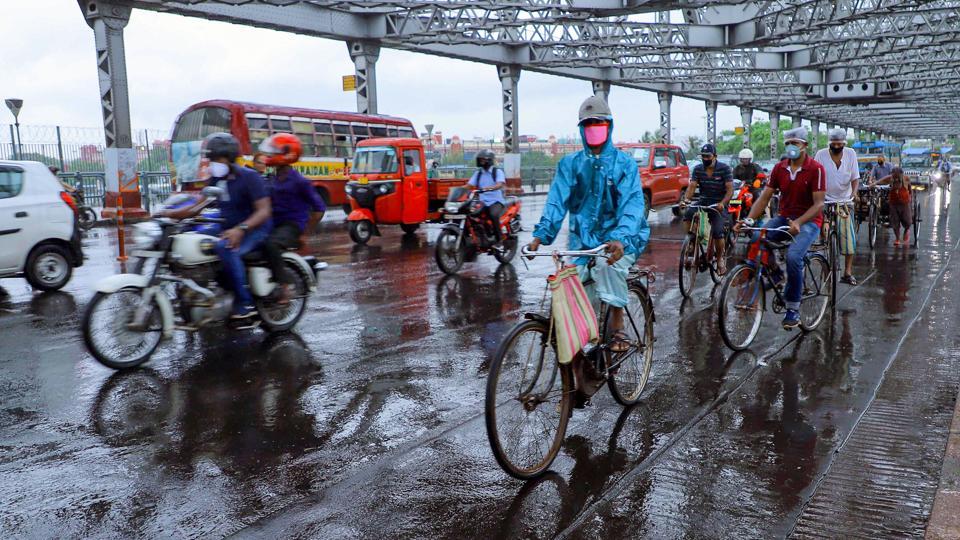
On Friday, Bengal’s Covid-19 tally crossed the 10,000-mark out of which 3,356 cases were from Kolkata.
Since January, more than 550 cases of dengue have been detected across Bengal of which around 90 are from Kolkata.
“This year the situation is a bit different. Most of the health department officials and hospital staff are engaged in tackling Covid-19 as it is spreading fast. But now we will also have to tackle dengue and malaria,” said a senior health official.
Chief minister Mamata Banerjee had already warned officials to gear up for the challenge. She had particularly stressed on the district of North 24 Parganas. The district has also the third highest number of Covid-19 cases after Kolkata and Howrah.
Click here for full Covid-19 coverage.
“Please carry on the work needed to prevent dengue. Ensure that a situation does not arise later where you have to fight dengue and Covid-19 together,” she had said in April.
Every year dengue caused by two species of mosquitoes Aedes aegypti and Aedes albopictus and malaria caused by Anopheles stephensi take a heavy toll in Kolkata and West Bengal. In 2018 and 2019 around 23,000 and 47,000 people were detected with dengue respectively. More than 180 people have died of dengue in the last five years. Malaria infected more than 75,000 people in the last three years and more than 130 people have died in the last five years.
“What could make matters worse is that the symptoms of the three - Covid, dengue and malaria and a few other diseases such as typhoid and common flu often overlap – fever, sore throat and body ache. One should first go for dengue and malaria tests. If found negative they should go for Covid-19 tests and if the fever persists for almost a week then one should go for a typhoid test,” said Amitava Nandi, virologist.
The Kolkata Municipal Corporation has already held several meetings at the borough levels and campaigns and public announcements are being made to make the people aware of the situation.
“Unlike other years we can’t go inside buildings and people’s houses to check if there is any stagnant water where mosquitoes can breed. So this time we are asking people to check their homes while we check the roads. We have 144 malaria clinics and 15 dengue clinics,” said Debasis Biswas, chief vector control officer of KMC.
What has compounded the problem is that because of the lockdown a section of the civic body’s ground level workers have returned home. Trees that had fallen during cyclone Amphan on May 20 in and around Kolkata could now end up increasing the threat of dengue and malaria.
“Even though we have cut the trees to clear the roads, not all have been removed and the trunks and branches are still lying on the roadside. Plastic containers and earthen pots could be hidden beneath them. They could become ideal breeding sites for the Aedes aegypti which are small container breeders. The Aedes albopictus, another dengue mosquito which breeds in hollows of trees can also proliferate,” said a KMC official.


