
 E-Paper



House panel advises revival of Indo-Pak talks
The standing committee on external affairs recommended an incremental approach to resume the stalled dialogue, saying geo-political realities make such a process a necessity.


A parliamentary panel on external affairs suggested reviving the India-Pakistan dialogue process, despite bilateral relations plummeting over issues ranging from terrorism to the way jailed former naval officer Kulbhushan Jadhav is being treated.
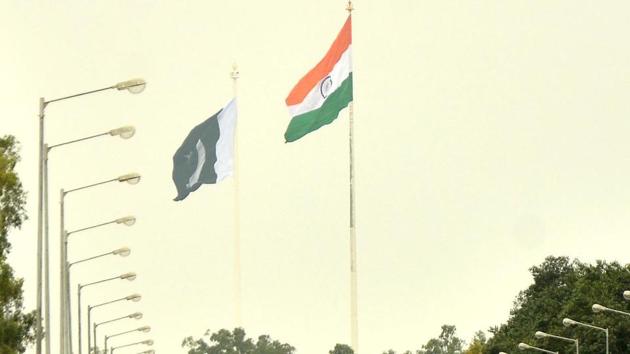
The standing committee on external affairs headed by Congress leader Shashi Tharoor recommended an “incremental approach” to resume the stalled dialogue, saying “geo-political realities” make such a process a necessity.
The suggestion follows the government’s stand that no dialogue is possible without Islamabad stopping patronising anti-India terrorism.
The government told the committee earlier that “a meaningful and purposeful dialogue can be held in an environment free from terror, violence and hostility” and “the onus is on Pakistan to create such an environment”.
The committee agreed that Pakistan should abide by its 2004 commitment to not allow its territory to be used for anti-India activities.
The panel’s recommendation is part of the action taken report on the panel’s previous report on India-Pakistan relationship. The report was tabled in the Lok Sabha on Friday.
“Looking at the India-Pakistan relations in its entirety, the committee feels geo-political realities require both the countries to revive the dialogue process,” said the committee, which comprises Congress President Rahul Gandhi among others.
The panel said encouraging people-to-people contact and bilateral trade are ideal ways to prepare the ground for a dialogue between the two nations, which fought four wars and faced multiple crises in their fragile ties.
Bilateral dialogue suffered a blow after suspected Pakistan-based terrorists attacked the Pathankot air base on January 2, 2016, killing six soldiers.
The attack happened days after Prime Minister Narendra Modi made an unscheduled visit at former Pakistani premier Nawaz Sharif’s home as a goodwill gesture. The two sides were then looking at ways to resume the dialogue despite a trust deficit since the 2008 Mumbai terrorist attacks.
The relationship got more vitiated when a Pakistan military court convicted Jadhav of espionage after he was allegedly arrested in Balochistan in March 2016. Pakistan accused him of working for the Research and Analysis Wing, but India denies the charges.


