
 E-Paper



How will Pakistan airspace closure impact Indian passengers, carriers?
With flights now taking longer detours, airlines will require more fuel, leading to higher operational costs and potential payload limitations.

 Prefer HTon Google


With Pakistan closing its airspace to Indian airlines, international flights from Delhi and northern cities are expected to face longer travel times, and fares may rise by 8-12 percent in the short term.
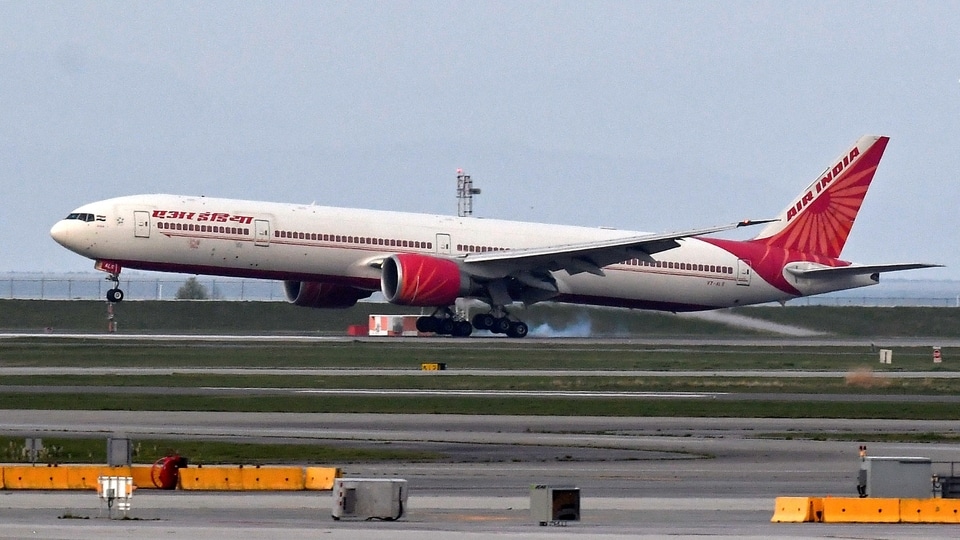
Air India and IndiGo have confirmed that their international flights are impacted by Pakistan's airspace closure, with longer routes expected for flights departing from Delhi and northern cities.
Other airlines, including Air India Express, SpiceJet, and Akasa Air, will also be affected. These flights will need to take alternative routes, extending over the Arabian Sea, according to senior airline officials and pilots, PTI reported, quoting senior airline officials and pilots.
What does Pakistan’s airspace closure mean for Indian travellers?
Pakistan on Thursday announced a ban on Indian airlines from using its airspace. The restriction applies to all aircraft registered in India, as well as those owned or leased by Indian operators.
With flights now taking longer detours, particularly over the Arabian Sea, airlines will require more fuel, leading to higher operational costs and potential payload limitations.
Also Read | India notifies Pakistan about Indus Waters Treaty suspension: 'Breached conditions'
According to a senior pilot quoted by PTI, the duration of some flights to the US and Europe could increase by as much as 2 to 2.5 hours.
The duration of international flights will vary based on the alternate routes chosen by airlines, and multiple routing options are currently under consideration. A clearer picture will emerge once airlines submit their flight plans, a senior Air Traffic Controller told PTI.
A senior travel industry executive told PTI that international airfares on Indian carriers are expected to increase by 8–12 per cent due to the airspace closure. If the situation persists, ticket prices could rise even further.
How will longer routes impact airfares?
Aircraft taking longer routes will burn more fuel, leading to increased operational costs for airlines.
As flight times increase, airlines will need to carry more fuel, which in turn will create payload issues, forcing them to reduce the overall weight of the aircraft, reported PTI.
Also Read | Air India, IndiGo flight operations disrupted by Pakistan's airspace closure
This situation, coupled with higher operational costs and payload restrictions, is not financially sustainable for airlines, which already operate on narrow profit margins, the report added.
Since airlines won’t be able to accommodate more passengers or higher load factors due to these constraints, airfares are expected to rise.
This is not the first time that Pakistan has closed its airspace to Indian airlines. In February 2019, after the Pulwama terror attack and subsequent air strikes by the Indian Air Force in Balakot, Pakistan had also barred Indian airlines from using its airspace for several months.
With PTI inputs


