
 E-Paper



HT podcast: The Mutiny that ended Company Raj
William Dalrymple, author of The Last Mughal: The Fall of a Dynasty, Delhi 1857, joins HT to discuss how a trading company exercised control over India; India in the 18th century; the Mutiny, its roots and its significance.


The summer of 1857 changed the course of Indian history. For over a century, the East India Company had been expanding its territorial and economic control over India. The Company used coercion, deception and co-optation, and appeared invincible.
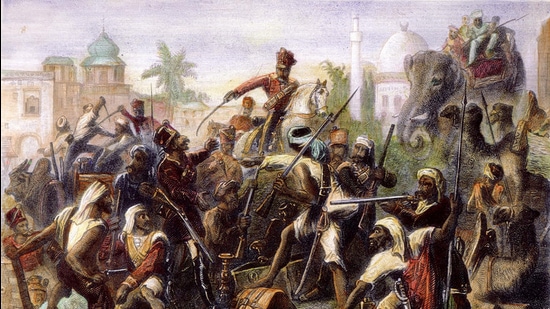
But beneath the surface of deceptive calm, there was discontent against what was foreign corporate rule. From soldiers to peasants, princely rulers to landlords, Hindus to Muslims, the most unlikely of allies came together to wage the most powerful rebellion that the nation had seen. The British, with utmost cruelty, succeeded in repressing the uprising. But Company Raj ended, giving way to the Crown.
William Dalrymple, author of The Last Mughal: The Fall of a Dynasty, Delhi 1857, joins HT to discuss how a trading company exercised control over India; India in the 18th century; the Mutiny, its roots and its significance; the role of religion in galvanising the masses; and how 1857 changed the British colonial architecture, giving way to the Crown. The privatisation of the Empire was over and a new phase of oppression commenced.
Link to podcast:https://www.htsmartcast.com/history-podcasts/1947-road-to-indian-independence/1857-the-mutiny-that-ended-company-rule/


