E-Paper



IAS officer Mandeep Bhandari appointed new CBSE chairman; 3rd to hold post in 4 months
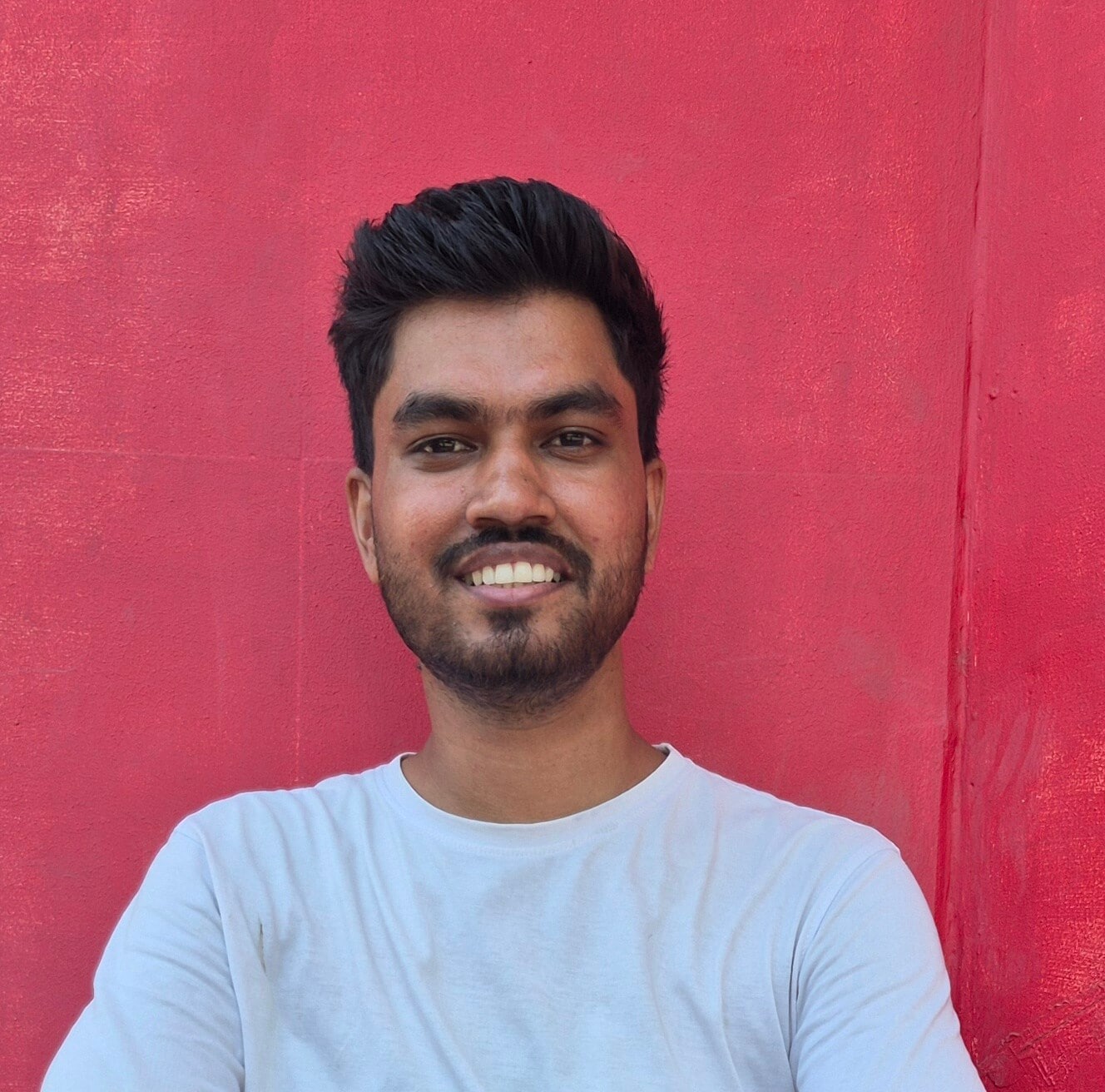
Bhandari spent nearly a decade, from 2009 to 2018, as Additional Chief Executive Officer of the Shri Mata Vaishno Devi Shrine Board.

 Prefer HTon Google


In less than four months, the Centre has appointed its third CBSE chairperson, naming senior IAS officer Mandeep K. Bhandari as the new head of the Central Board of Secondary Education (CBSE). Bhandari replaces Lokhande Prashant Sitaram, marking the third officer to head the national education board since June 2 following the On-Screen Marking controversy.
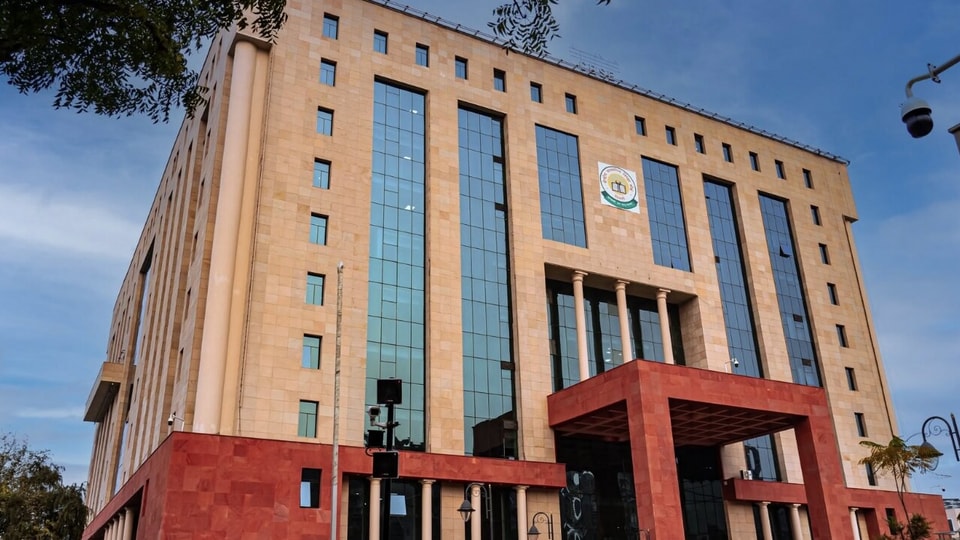
In an order issued on September 25, the Department of Personnel and Training’s (DoPT) Appointments Committee of the Cabinet (ACC) approved the appointment of “Shri Mandeep K Bhandari, IAS (AGMUT:2001), presently in the cadre, as chairperson of the Central Board of Secondary Education, Ministry of Education in the rank and pay of Additional Secretary to the Government of India by temporarily upgrading the post.”
Who is Mandeep K. Bhandari?
Bhandari, a 2001-batch IAS officer of the AGMUT cadre, hails from Punjab and is a medical graduate (MBBS) by training. Before being appointed CBSE chairperson, he was serving as Principal Secretary to the Lieutenant Governor of Jammu and Kashmir and also held the additional charge of Chief Executive Officer of the Shri Amarnathji Shrine Board. According to official records maintained by the Jammu and Kashmir administration, he was appointed Principal Secretary to the Lieutenant Governor on March 6, 2023.
Bhandari spent nearly a decade, from 2009 to 2018, as Additional Chief Executive Officer of the Shri Mata Vaishno Devi Shrine Board, one of the country's largest religious institutions.
In January 2018, he moved to the Union government as Private Secretary to the Union minister in charge of higher education in the Union Ministry of Education (the Ministry of Human Resource and Development). He remained in that position until September 2018, after which he was appointed Joint Secretary in the Union Ministry of Health and Family Welfare. He served in the health ministry for more than four years, from September 2018 to January 2023, handling key policy and administrative responsibilities.
The appointment order of Bhandari comes 85 days after the ACC’s July 2 order that had assigned Lokhande the “additional charge” of CBSE chairperson while he continued as additional secretary in the Department of Home under the Union Home Ministry.
Also read | CBSE 'ignored' calls for regional trials before OSM rollout for Class 12 board exam evaluation
The July 2 order had said Lokhande, a 2001-batch AGMUT cadre IAS officer serving as additional secretary in the Home Ministry since April 1, would hold the additional charge of the CBSE post “until appointment of regular incumbent to the post or until further orders, whichever is earlier.” Thursday’s order appointing Bhandari as chairperson effectively brings that interim arrangement to an end.
Lokhande himself had been appointed CBSE chairperson only a month earlier. A June 2 ACC notification had approved his appointment as “Chairperson, Central Board of Secondary Education” in the rank and pay of additional secretary. Unlike the July 2 order, the June 2 notification was a regular appointment and did not describe the assignment as an additional-charge arrangement.
The frequent changes at the top of CBSE come in the backdrop of the controversy surrounding the board’s On-Screen Marking (OSM) system. On June 2, the government transferred then CBSE chairperson Rahul Singh to the agriculture ministry, prematurely repatriated secretary Himanshu Gupta to his parent cadre, the Ministry of Home Affairs, appointed Lokhande as the new CBSE chief and named Varun Bhardwaj as secretary.
The government had also ordered a one-member inquiry headed by former Union secretary S. Radha Chauhan to examine the procurement of services related to the OSM system following allegations of irregularities in the digital evaluation process.
The leadership overhaul followed the OSM controversy after Hindustan Times reported complaints from examiners and officials alleging irregularities in the digital evaluation process, including unexplained changes in marks due to poor scanning of Class 12 students' answer sheets for board exam 2026, technical glitches, and concerns over the procurement of the system.