E-Paper



If a film is given a certificate, it does not mean that it is forever: Benegal
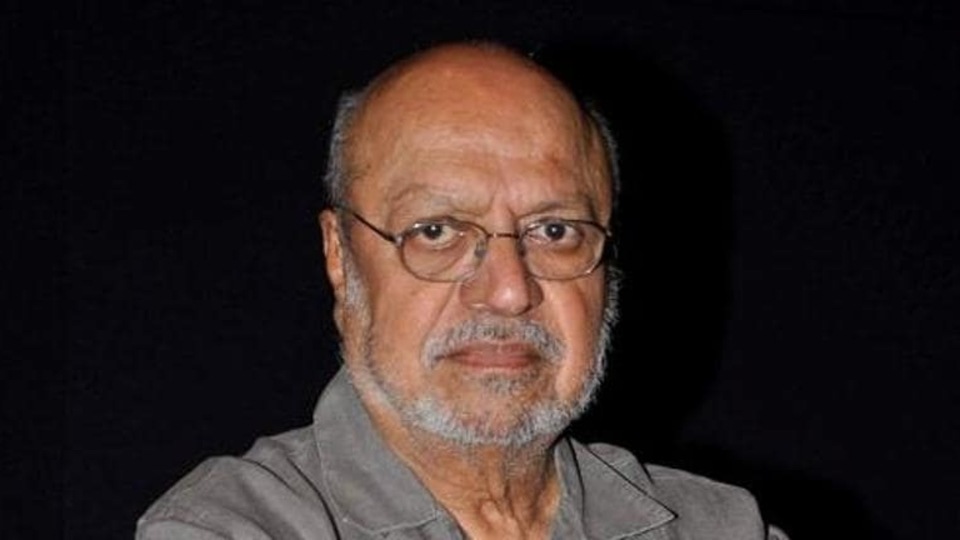
Syam Benegal , who in 2016 headed a committee that looked at the process of film certification and recommended a limited purview for the certification board has a different view.

 Prefer HTon Google


A proposed change in the Cinematograph Act on the certification board can recall a film and review its certification may have caused consternation in the film industry, but director Shyam Benegal believes there is nothing wrong in this. “If a film is given a certificate, it does it mean that it is forever,” he said in an interview. The changes also give the government will also have the power to restrict cinematic content -- with influencing and constraining factors being the sovereignty and integrity of India, the security of the state, friendly relations with foreign states, public order, decency or morality or in relation to contempt of court, defamation or incitement to commit any offence. The proposed changes led to 1400 filmmakers and artists including Anurag Kashyap, Shabana Azmi, and Farhan Akhtar writing an open letter to the ministry objecting to this kind of censorship. Benegal , who in 2016 headed a committee that looked at the process of film certification and recommended a limited purview for the certification board has a different view. Edited excerpts:
You have just gone through the new provisions of the Cinematograph Act. What are your first impressions?
I think it’s fine, there are no major problems. There were two reports (on this) , one was the Mudgal committee report from 2013 and the other one was a committee of experts report that we made in 2016…. and I think there is not much of a difference. In fact, we will cooperate…
Some say that they find it disturbing that a film that has already been certified can be recalled. What do you feel about that?
Well, I think, these things can happen. If a film is given a certificate, it does not mean that it is forever. It’s a certificate given by the board and when you are talking of the things changing, you are talking of a world that is changing. So, there are some things that have been valid at one time (in the past) and they may not be valid today.
So, recalling films (for another review) is not a big deal. There is a possibility that 20 years from now, something (which is right today) cannot be right for that time. It is possible.
What happens once something goes out after being certified by the Censor Board and then there is a kind of outrage among the public?
If you have that kind of an outrage and if it is popular -- I mean if it is a popular outrage and not some engineered outreach -- these things can also happen.
But then who decides when the outrage is significant enough to merit a recall?
The fact is, you have to accept that there is some thing called common sense. There is a certain kind of convention followed in life which we consider to be very much within the purview of our standards. Now (if) you go beyond that, naturally, it is going to be questioned.
For instance, you have these streaming channels and television, you have programs where you see people using four- letter words as if they use them every day. It doesn’t happen like that. People don’t always talk like that. Sometimes I get very shocked. But then you accept it because it is in the privacy of your home.
The same cannot happen in a public place.OTT platforms of which streaming channels form a part are not publicly (broadcast) .
There can be very little clarity on this. The fact is that it depends on how you are going about and what you are going to do about sensibilities. Are you going to censor sensibilities? People have different kinds of sensibilities.
As long as that particular sensibility does not become offensive in public discourse, it’s not offensive.
Then, in private discourse, are you working to censor anything? Why would you do that? In the privacy of your home or within the privacy in which you and your friends and acquaintances operate, are you going to have censorship (in what you watch)? Clearly not. That’s common sense.
So, 1400 filmmakers wrote an open letter saying that this (amendment) makes them helpless. You don’t agree with them?
No, it’s not that. It’s just that film makers deal with their audiences. In public discourse, when you are dealing with people, there are certain things that you must make a distinction about, like between private and public discourse. What happens in the privacy of your home is not something that the whole world needs to know about ; you have to distinguish between what is public and what is private. Even that is not so clearly defined. You know if you are telling a story, a family story, there are certain things even in a family story that are public and private. There are so many such factors. It is like they fade in and fade out.
.