
 E-Paper



‘If politicians' kids can enter politics…’: HC judge on Kejriwal's point about her son, daughter being lawyers for govt
“Even if relatives of this court are on govt panel, it is important for the litigant to show the impact on the present case," Justice Swarana Kanta Sharma noted

 Prefer HTon Google


Delhi High Court judge Swarana Kanta Sharma pointedly responded to allegations about her son and daughter's work as government panel lawyers, as she refused to take herself off a case against AAP chief Arvind Kejriwal among others.
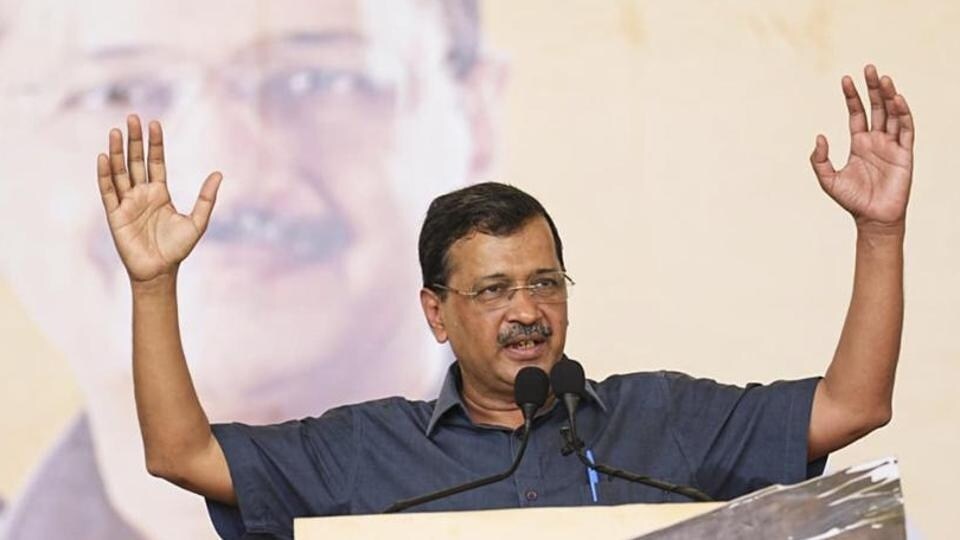
Kejriwal had alleged conflict of interest since Tushar Mehta, who as Solicitor General leads government litigation work, is the CBI's lawyer in the Delhi excise (liquor sales) policy corruption case, in which Kejriwal is among 23 accused who have all been discharged by a trial court.
The CBI challenged the discharge order, and Justice Sharma is hearing it in the HC, where Kejriwal wanted her to recuse over his “apprehension of bias”.
She heard the arguments as a single-judge bench, and said on Monday in her order that accepting the reasoning about her children would effectively disqualify many judges across the country from hearing cases involving governments or political figures, if their relatives are empanelled with governments.
'No nexus shown'
“Even if relatives of this court are on govt panel, it is important for the litigant to show the impact on the present case," Justice Sharma noted.
“No such nexus has been shown,” she said, adding that, “This court is adequately trained to pay little heed on social media,” addressing chatter about the issue online.
“Merely because a judge takes oath of office, the family does not take oath that they will not enter the profession,” she reasoned. The litigant, Kejriwal in this instance, “cannot dictate how children or family members of a judge are to live their lives”.
In an affidavit filed a day after Justice Sharma reserved her verdict on the recusal applications, Kejriwal had said her son is empanelled as a Group A counsel representing the Centre before the Supreme Court, while her daughter is empanelled as a Group C counsel representing the Centre before the Supreme Court and also serves as a pleader for the Centre before the Delhi High Court.
She said as she dictated her order, "If the wife of a politician can be a politician, and if children of politicians can enter politics, how can there be a question on the children of a judge entering the legal profession? The argument raises a larger question as to what exactly is being insinuated.”
‘Quiet weight of being a judge’
Justice Sharma further said, “When I began to pen this judgement, the courtroom had fallen silent. What remained was a quiet weight of being a judge who had taken the oath of Constitution of India that is Bharat. I realised my silence as a judge was itself put to test, and the question now was about the fairness of judge and institution itself."
She said he natural instinct would have been to recuse, “however, for the sake of institution, I decided to adjudicate the application since it throws questions not only at me but at the institution itself”.
She also denied Kejriwal's other arguments linked to her attending events allegedly linked to the RSS, the parent body of the country's ruling BJP; and about Union home minister Amit Shah saying Kejriwal would have to eventually go the Supreme Court against an HC order in this case.
The main case — CBI's challenge against the trial court's discharge order — will now continue to be heard by Justice Sharma.


