E-Paper



In a cautionary tale, IFS officer explains why did Cheetahs go extinct in 1952
A video shared by him from apparently 1939, shows how cheetahs were hunted, maimed and domesticated in those times and soon became prey to human -wildlife conlict.

 Prefer HTon Google


India’s efforts to bring back the fastest land mammal - Cheetah - after 70 years of being declared extinct in the year 1952 have paid off as Madhya Pradesh’s Kuno National Park received its first batch of eight Namibian cats on Saturday morning. Under the 'Project Cheetah', the big cats will be cared for in the 750-square-kilometre (290-square-mile) protected park. The wild predators -with ancestors dating back to about 8.5 million years - once roamed throughout Asia and Africa in abundance but today merely add up to about 7,000, that too largely in African savannas, as per the data.
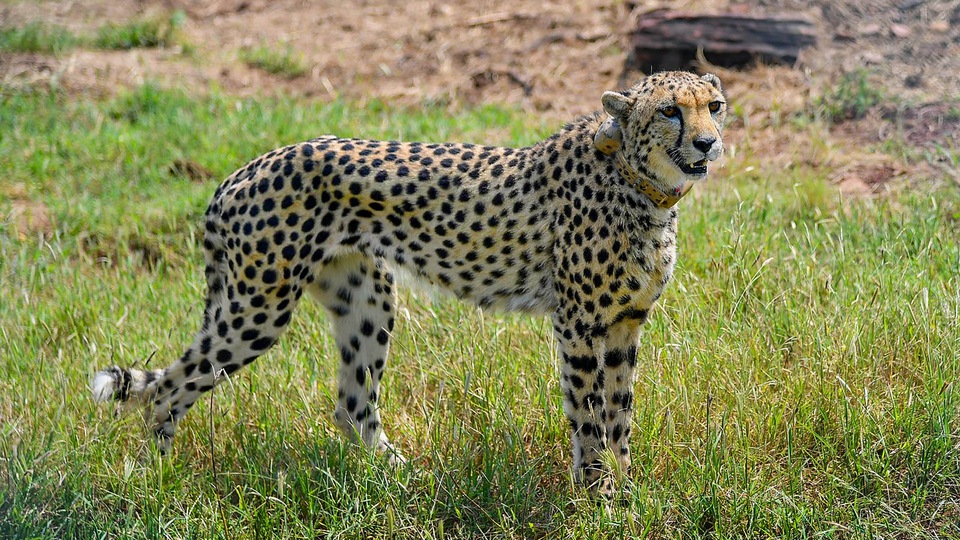
In a cautionary tale, Indian forest service officer Parveen Kaswan took to micro-blogging site Twitter to explain how these exquisite animals lost India as their home, the only predators to die out since the country's independence. A video shared by him from apparently 1939, shows how cheetahs were hunted, maimed and domesticated in those times. Widely used for hunting parties then, the wild predators soon became prey to human-wildlife conflict.
Kings and Britishers indulged in wide hunting practices of almost all charismatic animals including the Cheetahs. The first breakthrough to prevent poaching of wild animals only came in 1972, with the ‘Wildlife Protection Act’ - 30 years after Cheetahs had already gone extinct.
Also Read | 10 things to know about the 8 Namibian cheetahs flying to India on PM Modi's birthday
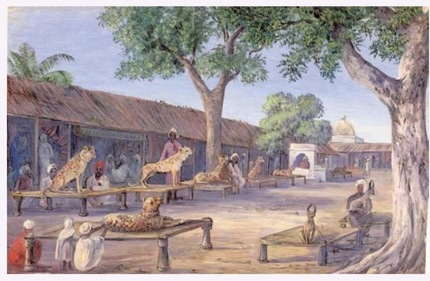
Kaswan tweeted a picture from 1878, apparently from Rajasthan, displaying the extent to domestication Cheetahs were subjected to. The painting shows the then villagers next to their ‘pets’ - Cheetahs chained on several ‘charpais’ (cots), taming them like domestic dogs.
Another photo tweeted by the officer, shows archives of ‘Prince of Wales Tour of India in 1875-76’ in which people pose next to a cheetah chained for hunting purposes - which Kaswan called a ‘testimony’ to our negligence which has resulted in cheetahs only remaining in pictures until now.
He shared a final picture, describing it as the ‘last lot of cheetahs’ - 3 of them ‘hunted’ by the then King of Koriya (Chhattisgarh) in 1947 after which they were declared extinct by the government.