E-Paper



In a first, Taliban’s Amir Khan Muttaqi to visit India next week. What it means
For the Taliban, foreign minister Amir Khan Muttaqi’s visit will mark a significant development in its efforts to gain greater acceptance of the regime in Kabul

 Prefer HTon Google


NEW DELHI: Taliban foreign minister Amir Khan Muttaqi will visit India next week for a meeting with external affairs minister S Jaishankar after securing a waiver to a travel ban under UN Security Council sanctions, people familiar with the matter said on Thursday.
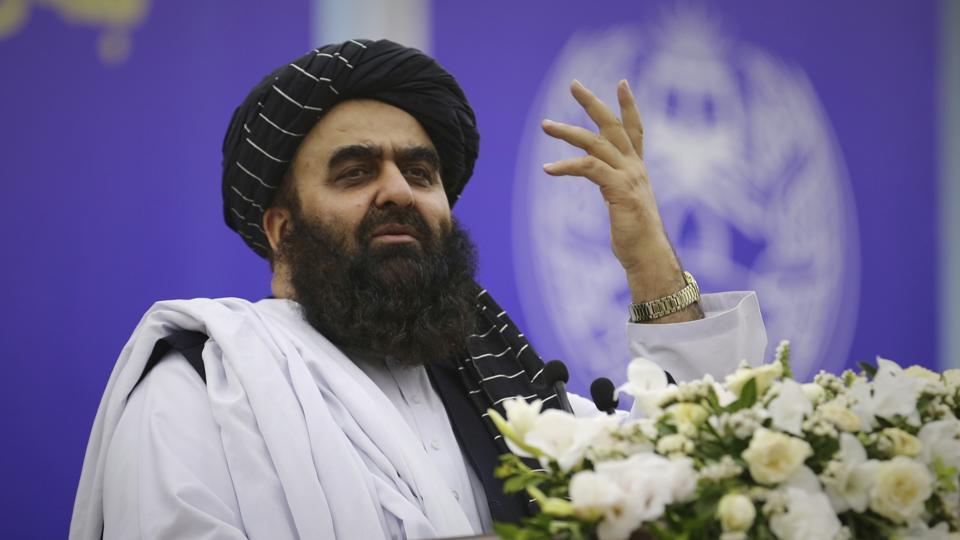
This will be the first visit to India by any senior Taliban leader since the group seized power in Afghanistan after the collapse of the Ashraf Ghani government in August 2021. People familiar with planning for the visit on both sides said on condition of anonymity that Muttaqi is expected to reach New Delhi on October 10.
A meeting of the 1988 sanctions committee of the UN Security Council held on September 30 approved an exemption to the travel ban for Muttaqi to visit New Delhi from October 9 to 16, according to an official UN statement. The 1988 sanctions committee oversees the implementation of sanctions imposed on the Taliban and its leaders.
Muttaqi was unable to visit India in September after he failed to secure the waiver on the travel ban. Reports at the time suggested that the US and Pakistan, currently a non-permanent member of the UN Security Council, were opposed to granting a waiver.
The visit will take relations between the Taliban and New Delhi to the next level without any formal recognition of the Taliban regime in Kabul, the people cited above said. “This represents a via media for strengthening the working relationship with the Taliban without getting into technical issues,” one of the people said.
The Taliban side is expected to press for the posting of its envoy and more diplomats at the Afghan embassy in New Delhi and consulates in Mumbai and Hyderabad, the people said. The visit also comes at a time when relations between the Taliban and the Pakistan government continue to be strained.
For the Taliban, the visit will mark a significant development in its efforts to gain greater acceptance of the regime in Kabul, which faced criticism this week for a nationwide communications blackout. The blackout, which impacted internet and mobile phone services, began on Monday. The Taliban attributed the development to the replacement of old fibre-optic cables, though the group has shut down the internet in some regions in the past to curb purported immorality.
The Indian side has maintained that it has a working relationship with the Taliban in view of its long-standing ties with the Afghan people. New Delhi also re-established a diplomatic presence in Kabul in June 2022 to secure India’s regional interests in the face of a growing Chinese footprint in Afghanistan.
Counter-terrorism cooperation too is a key part of the relationship with the Taliban, which condemned the Pahalgam terror attack carried out in April by The Resistance Front (TRF), a proxy for Pakistan-based Lashkar-e-Taiba (LeT).
During his first phone conversation with Muttaqi on May 15, Jaishankar welcomed the Taliban’s rejection of “attempts to create distrust between India and Afghanistan through false and baseless reports”. This was an apparent reference to reports in a section of the Pakistani media that claimed India “hired” the Taliban to carry out a “false flag” operation at Pahalgam.
At the time, Muttaqi referred to India “as a key regional country” and reiterated Afghanistan’s commitment to a “balanced foreign policy and the pursuit of constructive relations with all nations”. The Taliban have also pushed for more visas to be issued for Afghan students, traders and medical patients and for enhancing trade relations.