
 E-Paper



In a first, women to head 70 per cent of Zilla Parishads in Odisha
With women voters rooting for the candidates across districts, more women nominees were elected in the panchayat polls this year. In Patnaik’s home district of Ganjam, 40 women candidates were elected as members of the Zilla Parishad out of a total 67 zones in the district.

 Prefer HTon Google


Taking a step further from his 2019 move when he gave tickets in 33 per cent of the seats in Lok Sabha polls to women, Odisha chief minister and BJD chief Naveen Patnaik has now chosen women to head 21 of the 30 Zilla Parishads in the state, a fortnight after the election to the Panchayati Raj bodies in the state got over.
In the three-tier Panchayati Raj polls from gram panchayats in villages to Zilla Parishads in districts held between February 16 and 24, BJD recorded a landslide victory winning 90 per cent of the 852 Zilla Parishad seats leaving the opposition BJP and Congress far behind. The huge mandate helped the party head all the 30 Zilla parishads, a first for any party in Odisha.
With women voters rooting for the candidates across districts, more women candidates were elected in the panchayat polls this year. In Patnaik’s home district of Ganjam, 40 women candidates were elected as members of the Zilla Parishad out of a total 67 zones in the district. In the 2017 panchayat elections, women were elected in 35 zones in the district. With so many women winning, Patnaik chose to make them heads of 70 per cent of the Zilla Parishads, 20 per cent more than the statutory requirement of reservation of 50 per cent.
The party has chosen women to head the districts of Mayurbhanj, Ganjam, Balasore, Bargarh, Boudh, Bolangir, Koraput, Malkangiri, Keonjhar, Sundargarh, Sambalpur, Rayagada, Angul, Dhenkanal, Puri, Jajpur, Jharsuguda, Kendrapara and Khurda. The party announced that “young, educated and talented” party workers have been chosen as Zilla Parishad presidents.
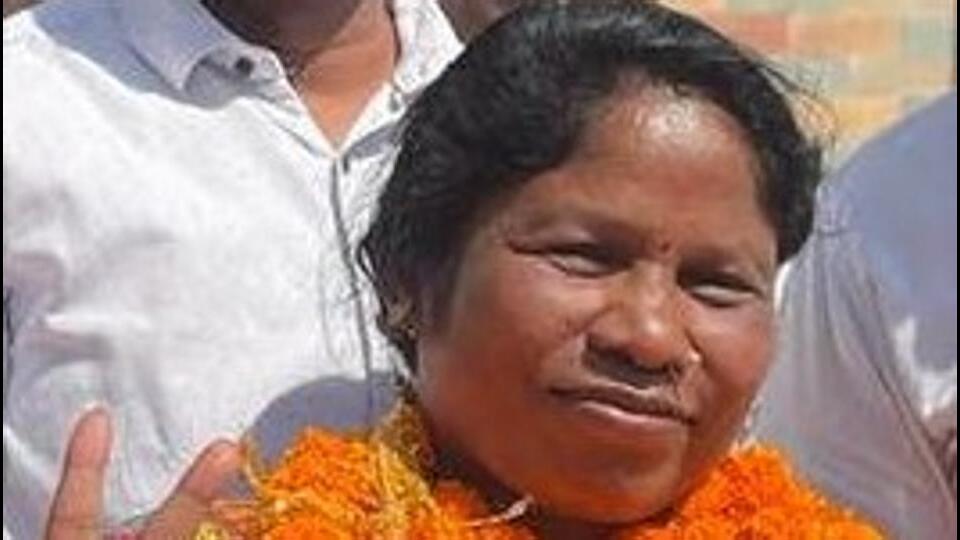
In the tribal-dominated Sundargarh district, it chose Kunti Pradhan who makes a living out of tailoring as well as training SHG members on making aachar and papad while in Malkangiri district; it selected a 26-year-old young housewife named Samari Tangul from the Maoist hotbed of Swabhiman Anchal as president of the Zilla Parishad. In Rayagada district, the party selected 23-year-old Saraswati Majhi, a graduate from the Kashipur block as the ZP president, the youngest in the state. Kumudini Nayak, the newly elected Zilla Parishad president for Sambalpur district hails from the remote Bamra area.
An overwhelmed Pradhan who won by over 12,000 votes, said she never expected to hold the top post. “I never thought the chief minister would choose an SHG worker like me as Zilla Parishad president,” said Pradhan.
Apart from selecting more women to head Zilla Parishads, BJD chose at least half of the 30 Zilla Parishad presidents below the age of 40 years. In another move, the party chose 26 presidents who have completed education upto at least higher secondary level while 18 are graduates. The average age of all the ZP presidents have now come down to 41 years.
Political analysts said the selection of more women as ZP presidents was in keeping with Naveen Patnaik’s commitment to his women voters. “Women have a considerably lower presence than men in elected political bodies throughout the world and in the Indian Parliament, despite their steadily increasing participation; women have not yet held even 15% of the total seats. In that context, 70 per cent of the ZP president posts being occupied by women is a great step,” said Dasarathi Bhuyan of Berhampur University. “Patnaik has been raising the bar consistently over the years. In 2011, he reserved 50 per cent of the seats in Panchayati Raj bodies for women and in 2019 he gave tickets to 7 women candidates in 21 Lok Sabha seats. For all you know, he might give 33 per cent tickets to women in the next assembly polls in 2024.”
Political analyst Rabi Das said the selection of more women as head of Zilla Parishads is in sync with Naveen Patnaik’s effort to build a core constituency of women. “Through self-help groups and various schemes aimed at women, Patnaik has managed to build a strong women vote base since 2009. It would be difficult for BJP to woo back women voters as long as Patnaik is ruling the state,” said Das.
Incidentally, Odisha was the first state to reserve one-third of the seats in Panchayati Raj institutions in 1991.Then chief minister Biju Patnaik passed three important Acts – Orissa Gram Panchayat (Amendment) Act, Orissa Panchayat Samiti (Amendment) Act and the Orissa Zilla Parishad (Amendment) Act, providing one-third seats for women. It was considered to be a progressive step by the state government and in 1992, the most important intervention from the central government followed, in the form of the 73rd Amendment. The 1991 elections to Panchayats brought 28,069 women members to the Panchayati Raj system.



