E-Paper



In absence of lockdown, one patient can infect 406: Govt study
Coronavirus update: India has reported 4,421 positive cases of the coronavirus disease, and 117 deaths. In the past 24 hours, 354 new cases were reported from across the country.

 Prefer HTon Google


A person carrying the Sars-CoV-2, the virus that causes Covid-19, is capable of infecting 406 people in 30 days in the absence of a lockdown, Indian Council of Medical Research (ICMR) experts have estimated.
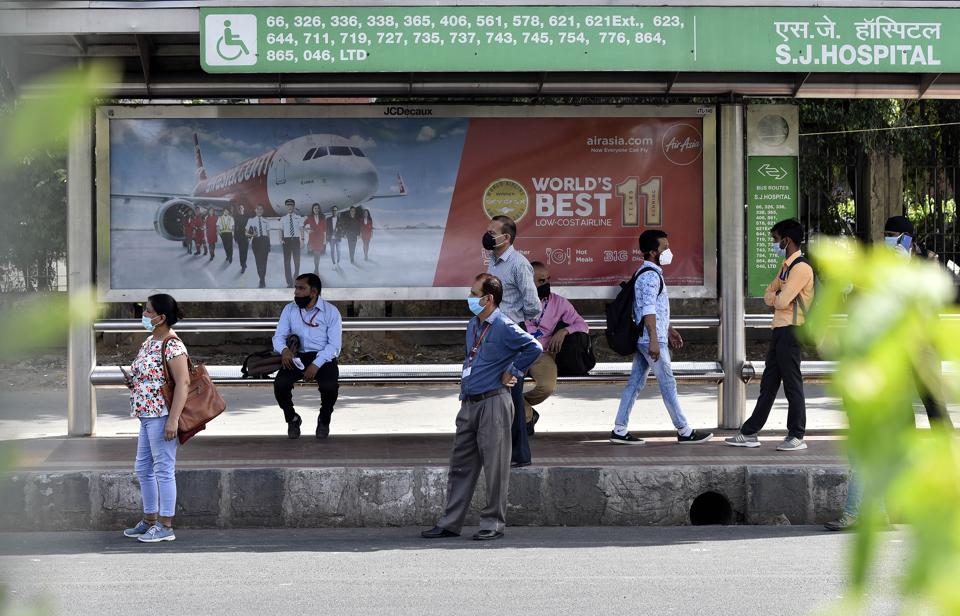
That is based on the assumption that R-naught, or R0, a virus’s basic reproductive number (meaning the number of persons an infected patient can potentially infect) is 2.5.
“ICMR has done a study and based on that, if the social exposure is reduced by 75% then an infected person will only infect 2.5 others in a matter of 30 days, telling us about the effects of better implementation of the lockdown and social distancing,” said Lav Agarwal, joint secretary in the health ministry.
India has implemented a total lockdown since March 25, and according to experts, it takes about two weeks to demonstrate the results of such an emergency measure. India has reported 4,421 positive cases of the coronavirus disease, and 117 deaths. In the past 24 hours, 354 new cases were reported from across the country, and as the numbers are rising, healthcare facilities are being assigned to deal with different categories of patients.
To streamline coronavirus disease management, and make optimum use of available infrastructure, health facilities have been divided into three crucial groups: Covid Care Centres, Covid Health Centres and Dedicated Covid Hospitals.
The Covid care centres will be offering care only for cases that are clinically mild or very mild, or are suspected cases.
These could either be makeshift facilities, or can be set up in hostels, hotels, schools, stadiums, lodges and so on., both public and private. The existing quarantine facilities could also be converted into Covid care centres, if required.
However, this facility must have separate areas for suspected and confirmed cases, with preferably a separate entry and exit. Suspected and confirmed cases must not be allowed to mix under any circumstances, according to the detailed guideline issued on the functioning of these facilities.
This facility will also need to be linked with either a hospital or a health centre to ensure a patient will receive quick treatment in case he or she develops symptoms or mild symptoms turn severe. For the purpose of transportation it will have a dedicated Basic Life Support Ambulance (BLSA) equipped with sufficient oxygen support on a 24X7 basis.
The second category is of dedicated Covid health centres that will be proper hospitals meant to admit clinically moderate cases. This will either be a full hospital or a separate block in a hospital with preferably separate entry, exit, and zoning, and would also include private hospitals.
These hospitals will have beds with assured oxygen support. Each of these hospitals will be linked with one or more dedicated Covid hospitals so that any patients whose symptoms progress from moderate to severe can be immediately moved.
The third category is of dedicated Covid hospitals that will treat only critically ill patients. This will either be a full hospital or a separate block in a hospital. These hospitals, including the private ones, will have fully equipped intensive care units, ventilators and beds with assured oxygen support.
All states have been directed to set up separate fever clinics so that there is no intermingling of other patients. The patients will also accordingly be categorized into three categories-- mild, asymptomatic or suspected cases, positive cases with moderate symptoms, and critical cases.
The ICMR’s testing capacity has also seen a jump over the past few weeks. Of the total 107,006 samples tested, 11,795 samples were tested between Monday and Tuesday. One hundred and thirty six government labs are currently testing for Covid-19. The 59 approved private laboratories have conducted 2,530 tests so far.
Among the cluster containment measures, Agarwal shared some success stories.
“Agra (Uttar Pradesh), GB Nagar (Uttar Pradesh), Bhilwara (Rajasthan), East Delhi and Pathanamthitta (Kerala) clusters have been contained due to the proactive measures taken by the states at the ground level. We have put out detailed containment strategies for small clusters and large outbreaks amenable to management,” he said.