E-Paper



In Assam’s forests, human-elephant conflict has no winners
Between 2006 and 2016, wild elephants have killed 785 people in the state, while 225 pachyderms fell victim to poaching, speeding trains, poisoning, electrocution, etc. between 2001 and 2014. It’s a conflict with no winners on both sides.

 Prefer HTon Google


Shalini Chhetri had ventured into Amchang Wildlife Sanctuary close to her home at Batahghuli in Panjabari area of Guwahati, a day prior to Christmas, to fetch grass for her goats. She didn’t return home that night.
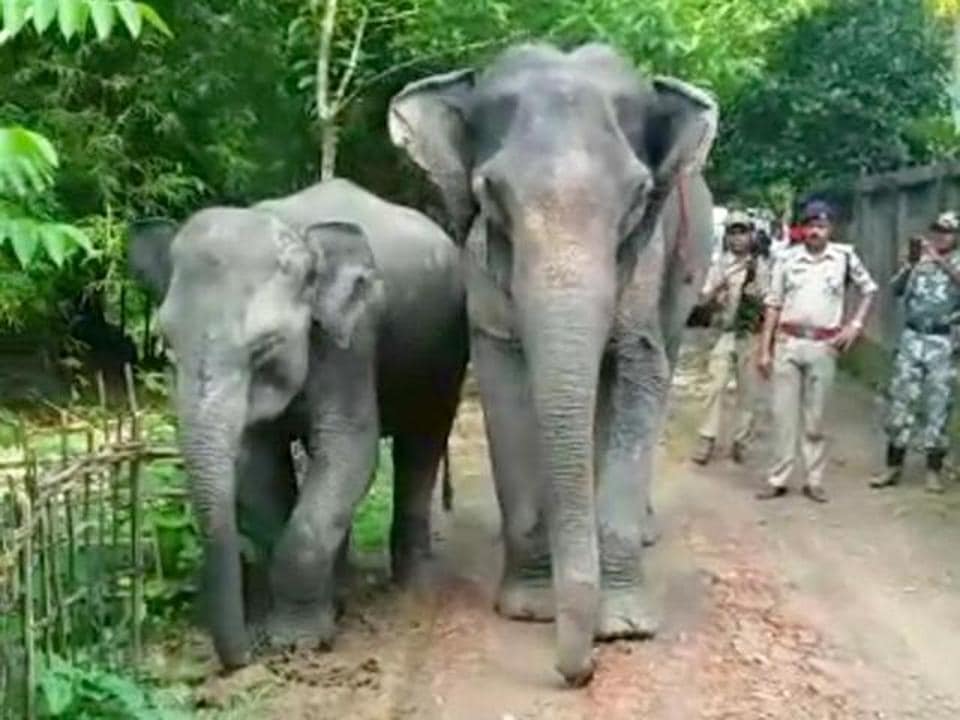
The next day after a three-hour search, forest personnel found her body trampled by a herd of elephants, which had strayed out of the wildlife sanctuary on the eastern outskirts of Assam’s capital.
On Wednesday, Robin Murmu, was trampled to death by a herd of wild elephants at Gohpur, nearly 310 km north-east of Guwahati.
Assam, which has the highest number of wild elephants in India—up from 5,246 in 2002 to 5,620 in 2011—and over one third of area under forests, has witnessed hundreds of human-elephant conflicts.
Between 2006 and 2016, wild elephants have killed 785 people in the state, while 225 pachyderms fell victim to poaching, speeding trains, poisoning, electrocution, etc. between 2001 and 2014. It’s a conflict with no winners on both sides.
On Wednesday night, an adult tusker was killed after being hit by the Lido-Dibrugarh passenger train at Tingrai in Digboi.
In December, eight elephants, including two pregnant ones and a calf, were killed after being hit by trains. A month earlier, a female elephant fell into a pit at Patanjali’s mega food park in Tezpur district and died.
“The man-elephant conflict is on the rise in Assam. Factors like rapid loss of dense forests, infrastructure projects falling in elephant habitats and rising frustration of villagers due to loss of property and lives have contributed to it,” says Bibhab Talukdar, a wildlife expert.
Unable to find enough resources to sustain in their old habitats, the pachyderms venture out close to human settlements and damage farms and property, and attack people.
To save themselves, people try to chase away the wild animals with drums, sticks, spears and fire-torches. Some even resort to poisoning and electrocuting them.
Talukdar observed that people did not have enough awareness on how to deal with the situations. “Excessive delays in getting compensation for damage to crop and property is also a cause of their frustration,” he said.
Deforestation and encroachment of reserve forests by humans is also shrinking the habitats of pachyderms.
In a bid to reduce killings of elephants, the forest department has launched measures such as awareness drives, increased patrolling along the 29 elephant corridors near railway tracks and set up anti-depredation squads.
“Our initiatives will not bear fruit unless there is public participation. We appeal to all to help the forest department in protecting Assam’s wildlife and forests,” forest minister Pramila Rani Brahma said last month.
Besides short-term measures, experts feel afforestation drives and capturing of wild elephants and training them for various tourism and anti-poaching related activities would help reduce the conflict in the years ahead.
- - -
GFX:
1. Elephant census Assam
2002 5,246
2008 5,281
2011 5,620
2. Humans killed in man-elephant conflict
2006 80
2007 41
2008 52
2009 82
2010 61
2011 68
2012 84
2013 81
2014 51
2015 118
2016 67
Figures: Assam forest department
EOM