E-Paper



In Odisha panchayat polls, BJD puts up best ever show; BJP wins less than 5% seats
The verdict of the 2022 panchayat polls was being awaited as it would determine whether BJP has gained any strength after it challenged the hegemony of BJD in the 2017 panchayat polls.

 Prefer HTon Google


As the counting of votes for the three-tier panchayat polls in Odisha neared completion on Monday evening, the ruling Biju Janata Dal either won or was leading decisively in nearly 90 per cent of the Zilla Parishad seats that are contested on party symbols.
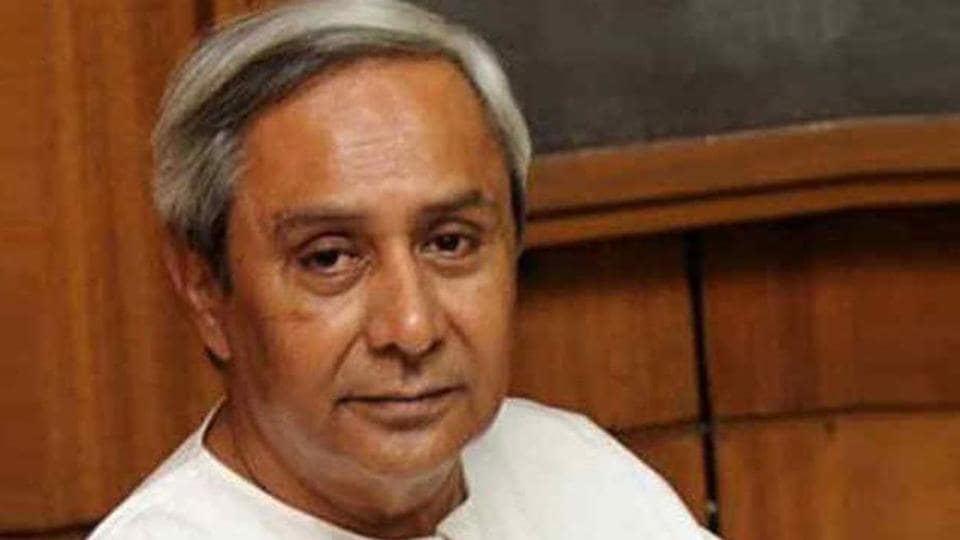
Of the 852 Zilla Parishad seats in Odisha that went to polls between February 16 and 24 with over 78 per cent of the voters inking their fingers, BJD had won 553 seats and was leading in another 210 seats, its best ever panchayat poll performance since its inception. The 763 seat tally in Zilla Parishad is 112 seats more than that the party had won in 2012 panchayat polls, its best-ever panchayat polls performance till it broke the record on Monday.
The party for the first time was all set to head Zilla Parishad in all the 30 districts leaving opposition BJP and Congress far behind. While BJP won 44 seats Congress came in a close third with 37 seats.
BJD’s win was on expected lines with chief minister Naveen Patnaik announcing a series of sops; BJP’s total caught everyone by surprise as the party’s tally in Zilla Parishad was just about 15 per cent of its 2017 tally of 297 seats. Congress which has been hit by large-scale desertions over the last few years could win only 37 seats, down from the 60 seats that it had won in 2017 polls.
The verdict of the 2022 panchayat polls was being awaited as it would determine whether BJP has gained any strength after it challenged the hegemony of BJD in the 2017 panchayat polls. The 2017 panchayat poll laid the ground for a sterling performance in 2019 Lok Sabha polls when BJP securd 38.4 per cent of the votes and won 8 Lok Sabha seats. In the Assembly polls held simultaneously with Lok Sabha polls, the party secured 32.5 per cent of the votes winning 23 of the 147 seats.
But unlike 2017 polls when the party focussed on strengthening its booth-level presence which helped it win 297 Zilla Parishad polls and subsequently win 8 Lok Sabha seats in 2019, BJP’s 2022 panchayat poll campaign lacked clarity and focus.
While BJD has undertaken a massive campaign in the grassroots rolling out a number of sops to attract rural voters for the five-phase panchayat polls scheduled to be held between February 16 and 24, BJP’s campaign has somehow lacked the same sense of focus though it released a 22-point manifesto promising the farmers a transparent system of paddy procurement.
Political Science professor, Satya Prakash Dash said BJP’s lack of a leader who could steer the ship in panchayat polls was among the factors that led to its decimation. “With Union education minister Dharmendra Pradhan helming the party’s campaign in Uttar Pradesh assembly polls, his absence was a decisive factor. As Pradhan is the biggest face of the party in the state, his presence would have motivated the party workers. Up against a popular leader like Naveen Patnaik, the party was left adrift in mid sea without a captain,” said Dash.
Dash said in 2017 BJP could form a narrative of maladministration and corruption taking up the case of farmer discontentment in western Odisha, death of over 100 children due to Japanese Encephalitis in Malkangiri, starvation death of children in Nagada and lack of government action in chit fund cases; it did not have any new narrative to offer this time.
“It took up the case of farmer distress in western Odisha districts as well as the issue of women safety in the case of murder of woman school teacher Mamita Meher. The party put the government in the dock alleging involvement of energy minister Dibya Shankar Mishra, but it could not keep up the tempo,” said Dash.
Many others believe that PM Narendra Modi’s praising chief minister Naveen Patnaik ahead of the panchayat polls may have hurt BJP’s prospects. While delivering his speech in Rajya Sabha in reply to the President’s address, Modi also praised Odisha for collecting another huge amount from coal royalty for the DMF.
“While the bonhomie between BJD and BJP confused party cadres, the factionalism in the party also came to the fore. Bhubaneswar MP Aparajita Sarangi was hardly involved in the polls though she served as joint secretary in the Panchayati Raj ministry and could have added valuable inputs,” said political analyst Rabi Das.
BJD’s domination of the panchayat polls was so strong that it won all the Zilla
Parishad seats in 4 of the 30 districts. BJP could not win a single seat in 11 districts including Mayurbhanj where the party won the Lok Sabha seat in 2019. Congress could not win a single seat in 18 districts.
BJD leaders said the party’s best-ever performance was solely due to the welfare measures announced by chief minister Naveen Patnaik. The BJD chief who did not campaign for his party in 2017 panchayat polls, left no stone unturned this time as he went around campaigning in several districts over last 3-4 months distributing smart health cards under Biju Swasthya Kalyan Yojana, a health insurance scheme that allows the beneficiaries to get treated in private hospitals without spending anything from pocket for ₹5-10 lakh depending on gender.
“The entire campaign of the opposition was against Naveen Patnaik while all that the CM focussed on was welfare measures. People understand that only the chief minister thinks of bettering their lives and that showed in the result,” said BJD leader Bijay Nayak.
Patnaik’s showering of sops ranging from hiking the upper age limit for government jobs to 38 years, incentive to Anganwadi and SHG workers, money for repair of houses in village areas to increasing the pay of over 33,000 junior teachers in schools by over 50 per cent while regularizing jobs of over 8100 contractual teachers in schools also played its role.