
 E-Paper



At 4-hr long India-China border talks, focus on de-escalation and disengagement
India China border stand-off: The WMCC dialogue will continue till such time a peaceful and positive outcome is attained by the two sides.

 Prefer HTon Google


India and China on Wednesday decided to “sincerely implement” the understanding on disengagement and de-escalation reached by senior military commanders on June 6 to resolve the stand-off at four points in eastern Ladakh. The stand-off escalated into a violent face-off at one of the four locations earlier this month, leading to a spike in tension between the two countries.
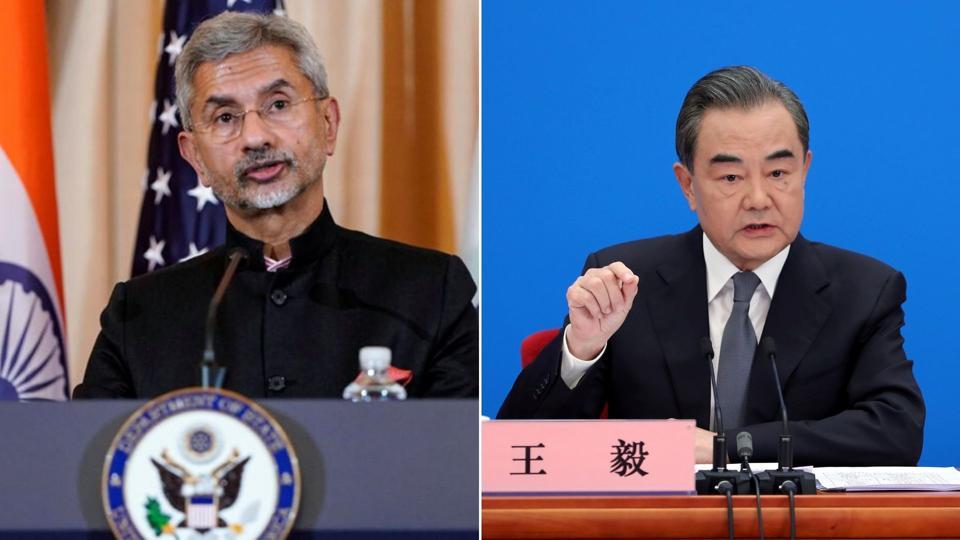
“The two delegations agreed that implementation of this understanding expeditiously, in accordance with the bilateral agreements and protocols, would help ensure peace and tranquillity in border areas and the development of broader relationship between the two countries,” a statement issued after the meeting of the Working Mechanism for Consultation and Coordination on India-China border affairs (WMCC) said.
Also Read: India deploys specialised mountain forces to check China’s LAC transgressions
The two sides also agreed to maintain communication both at diplomatic and military level including under the framework of WMCC to resolve the existing situation peacefully.
The WMCC dialogue, held via video conference, continued for more than four hours, people familiar with the development told Hindustan Times.
Also Watch l ‘Need to respect international law..’: Jaishankar in a meet with China, Russia
Both sides started from the very basis of the boundary differences with treaties and maps to back them. The Chinese side continued to be belligerent, blaming India for the June 15 flare up. The Indian side responded in kind, but both wanted the dialogue to continue and supplement the conversations being held at the senior military commander level
It is understood that the Chinese belligerence at the meeting - also reflected in the shrill statements from Beijing through the day -is partly due to the unexpected response they got from the 16 Bihar Regiment led by Colonel Santosh Babu at Galwan sector on June 15 evening.
Also Read: India deploys specialised mountain forces to check China’s LAC transgressions
“Both sides will continue the WMCC dialogue to iron out their differences on the border diplomatically and work towards removing any friction between the two armies. The process is going to be long drawn out and hence, we have to be patient for a peaceful outcome,” a senior official told Hindustan Times.
The situation on the ground remains tense with both armies closely watching each other’s moves at the four stand-off points. There has been no force accretion on the Chinese side since the June 22 senior military commanders’ meeting.
Also Read: Ladakh vs Doklam standoff: Same military commander, different tactics
Although the Chinese psy-ops is in full swing, claiming more incursions by the People’s Liberation Army, senior Indian military commanders dismissed such tall claims.


