
 E-Paper



India-China special representative dialogue to focus on managing Line of Actual Control
The India-China special representative dialogue on boundary resolution will be held outside Beijing between Chinese State Councilor Wang Yi and India’s National Security Advisor Ajit Doval on November 23-25 with the focus on managing the 3,488 kilometre Line of Actual Control.


The India-China special representative (SR) dialogue on boundary resolution will be held outside Beijing between Chinese State Councilor Wang Yi and India’s National Security Advisor Ajit Doval on November 23-25 with the focus on managing the 3,488 kilometre Line of Actual Control (LAC) and preventing any Doklam-like flare-ups in the future. The venue of the dialogue is to be decided.
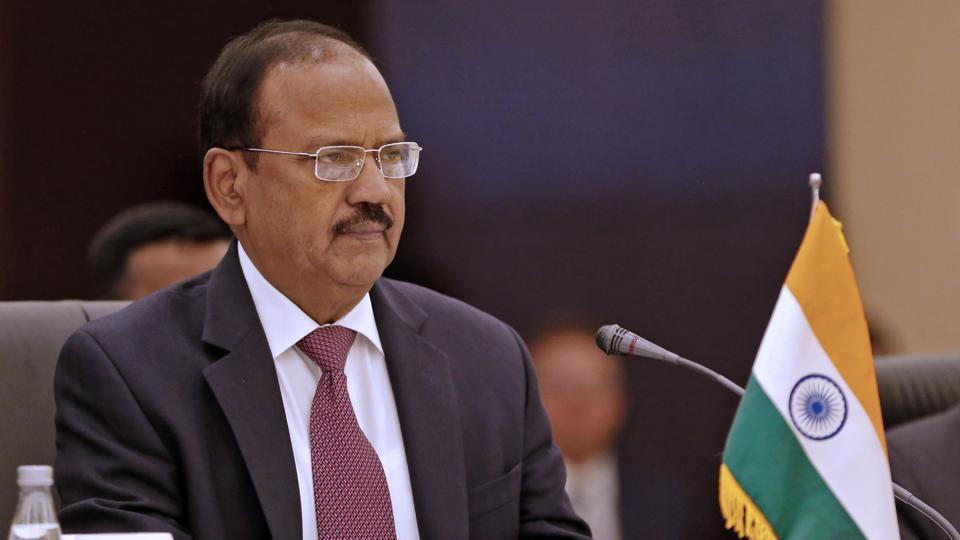
According to the diplomats based in New Delhi and Beijing, the 21st round of dialogue will not discuss any new initiatives with the Indian general elections five months away, but focus on reviewing the decisions made in earlier rounds of talks with a bilateral commitment to keep the LAC incident-free and peaceful.
The ambit of the special representative dialogue has grown beyond the initial focus of boundary resolution since 2009, and the diplomats said there is a possibility that the two interlocutors may touch the ramifications of US-China trade war as well as mounting trade deficit on the Indian side in its dealings with China.
The Strategic Economic Dialogue between NITI Aayog Vice Chairman Rajiv Kumar and his Chinese counterpart is already seized of the trade issues.
The special representative dialogue is significant as Wang Yi is senior to the foreign minister of China and Ajit Doval virtually heads the national security establishment including the high-power Defence Planning Group and Strategic Policy Group.
While the hotline between India’s and China’s defence ministers is a work in progress, Doval is in constant touch with Councilor Wang to ensure that there is no misunderstanding on the borders or on a global matter such as the Indo-Pacific or Afghanistan.
The meeting of the two will also follow the meeting of Prime Minister Narendra Modi with Chinese Prime Minister Li Keqiang at the East Asia summit on November 13-15.
After the Doklam flare-up last year was addressed by some deft diplomacy by Prime Minister Narendra Modi and Chinese President Xi Jinping, the Peoples Liberation Army and the Indian Army have held numerous border meetings to contain tempers, and trans-LAC incursions by the PLA have come down by 20% this year as compared to 2017.
The Indian Army too has taken a step further by not deploying battalions posted on the aggressive Line of Control with Pakistan to the China border.
“The next special representative dialogue comes at a critical juncture for both India and China as the international situation, both in its political and security dimensions, is undergoing unexpected shifts and will impact both countries. There is an opportunity to revisit the boundary issue but more importantly to look for opportunities to work together on regional and global issues of common concern,” said Shyam Saran, former foreign secretary and an expert on China.


