
 E-Paper



‘India can engage with Russia, Ukraine, Israel, Iran parallelly: Jaishankar says ‘sabka saath’ key to foreign policy
EAM Jaishankar also addressed India's participation in dialogue with both parties of conflicts between Israel and Iran, as well as Russia and Ukraine.

 Prefer HTon Google


External Affairs Minister S Jaishankar on Saturday said that the idea of ‘Sabka Saath, Sabka Vikas,’ also applied to the country's foreign policy, adding that India is among the few that can simultaneously engage with Russia and Ukraine, Israel and Iran.
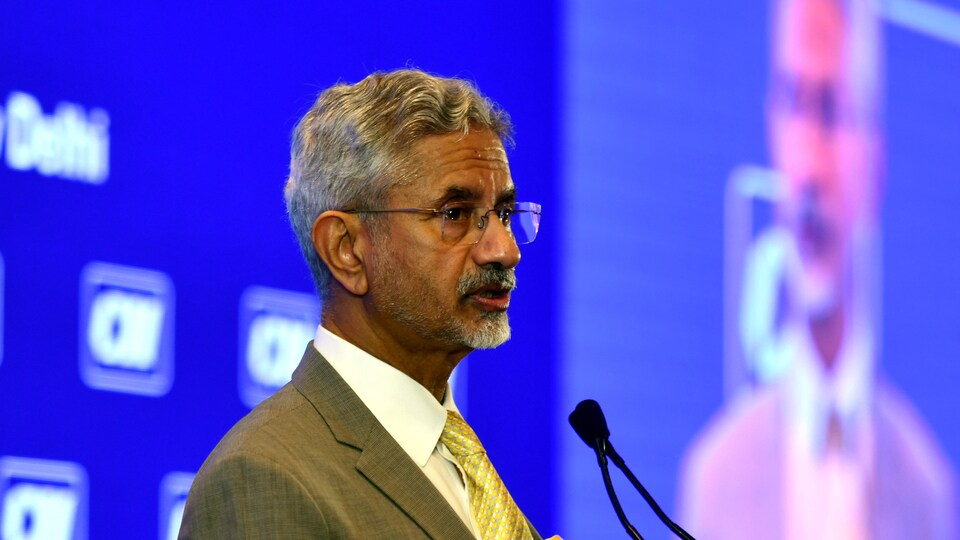
While speaking on the subject of ‘diplomacy in the age of disruptions’ at a the media event, EAM Jaishankar said, “Even in a sensitive domain like defence and security, Indian diplomacy ensures that both our armed forces and businesses have the widest possible selection of partners.”
Also Read: Khalistani extremist breaches S Jaishankar's security in London, tears Indian flag
He added, “When it comes to international cooperation, we have also shown the ability to forge different combinations for different domains, be it trade, technology, energy or security. The endeavour, in the final analysis, is to keep as many doors open as possible. I have always maintained that 'Sabka Saath, Sabka Vikas' applies equally to foreign policy."
India can engage with Russia, Ukraine, Israel, Iran
S Jaishankar also addressed India's participation in dialogue with both parties of conflicts between Israel and Iran, as well as Russia and Ukraine.
“A strategic approach also helps widen options. In the current polarized era, India is among the few that can simultaneously engage with Russia and Ukraine, Israel and Iran, the democratic West and the Global South, and the BRICS and QUAD," news agency ANI quoted Jaishankar as saying at the Business Today Vucanomics 2025.
Also Read: Jaishankar slams Pakistan with ‘stolen part of Kashmir’ jibe over PoK
Jaishankar also stated that India had both initiated and joined in more than 40 different groupings devoted to specific agendas, "from renewables and biofuels to disaster resilience and connectivity.”
India's commercial interests
During his address, Jaishankar stated that India's foreign policy was aimed at protecting its economic interests abroad, while facing the challenges posed by the tense state of the world.
"The active role played by Indian embassies in pursuing our commercial interests. The role of concessional financing in enabling access for Indian businesses abroad. The efforts for Indian talent mobility in a global workplace. And in reaching out to Indians abroad when in distress," he said in a post on X.
Jaishankar also stated that trust and strong partnerships were essential in advancing trade and technology in the country, and meeting the country's development demands.
The external affair's minister also highlighted the country's tourism a as well as the country's global and domestic connectivity initiatives, calling them an “economic driver” and a key component of maintaining business interests.
"As we move forward, our diplomacy and businesses must continue to work together as Team India in the quest for a Viksit Bharat and in promoting India's interests globally," his post on X read.


