E-Paper



India likely to cross target of 300 GW of renewable energy by August-end: Prahlad Joshi
The minister said the country’s rapid growth in the clean energy sector will be backed up by considerable growth through energy storage.

 Prefer HTon Google


India is likely to cross the target of installing 300 GW of renewable energy by the end of next month, Union minister for renewable energy Prahlad Joshi said on Wednesday, stating the country’s rapid growth in the clean energy sector will be backed up by considerable growth through energy storage. Speaking at event on sustainability, the Minister said the country is expected to have 786 GWs in non-fossil fuel capacity by 2035-36, which will account for nearly 70% of India’s installed power capacity.
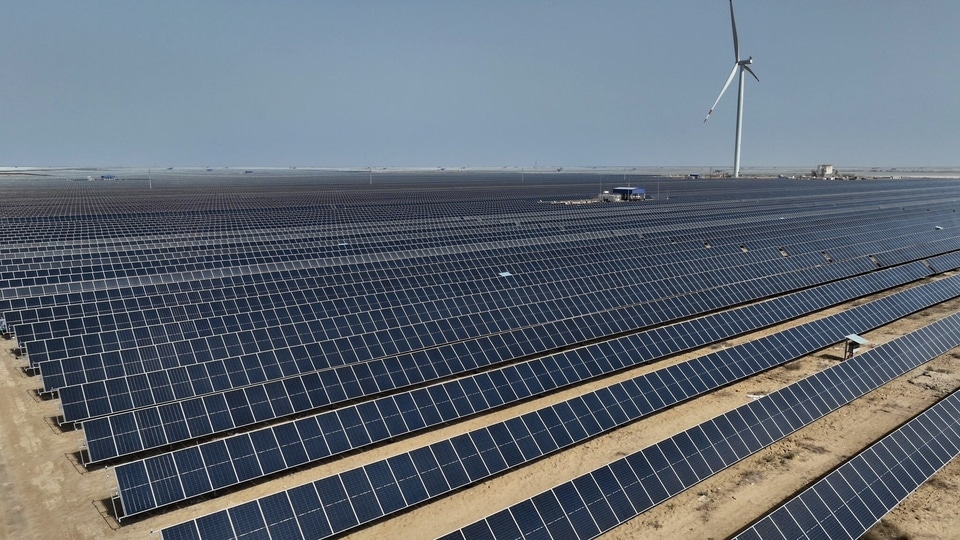
“In another month or so, India will reach 300 GW of non-fossil sources. This figure was 81 GW, including hydro power, when PM Modi took over. Solar capacity was 2.66 GW in 2014 and today, it is 162 GW. This too is likely to touch 175 GW in another two to three months,” Joshi said at the event, which included participation from experts and industry leaders on the green transition.
The minister added, as per projections for 2035-36, for the first time, solar energy will overtakee coal to become India’s single largest source of installed power capacity. “It will exceed coal by nearly 200 GW, i.e 315 GW coal & 510 GW of solar,” he added, stating this will go hand-in-hand with battery storage, with a target of installing 174 GW storage capacity by 2035-26 – or 888 GW hours of energy storage capacity and 94 GW of pumped storage production.
In parliament in a reply on Tuesday, the latest data shared by MNRE, had shown that India’s renewable energy capacity was 288.58 GW as on June 30, 2026. This included 162.15 GW from solar energy, 57.44 GW from wind; 57.24 GW from hydro power and 11.75 GW as bio-power.