
 E-Paper



India signals re-engagement of neighbourhood with visit of Myanmar and Nepal leaders
PM Modi wants the MEA to focus more on neighbours, stressing that India cannot be a global power without strong ties across the subcontinent.

 Prefer HTon Google


Writing exclusively for The Hindustan Times today, Rabi Lamichhanne, founding chairman of ruling Rashtriya Swatantra Party, has advocated cross-border connectivity, air connectivity and infra-connectivity. He has played up the positives between India and Nepal without further escalating border issues, which were fueled deliberately by pro-China Communists K P Sharma Oli and Prachanda in order to incite Nepalese nationalism.
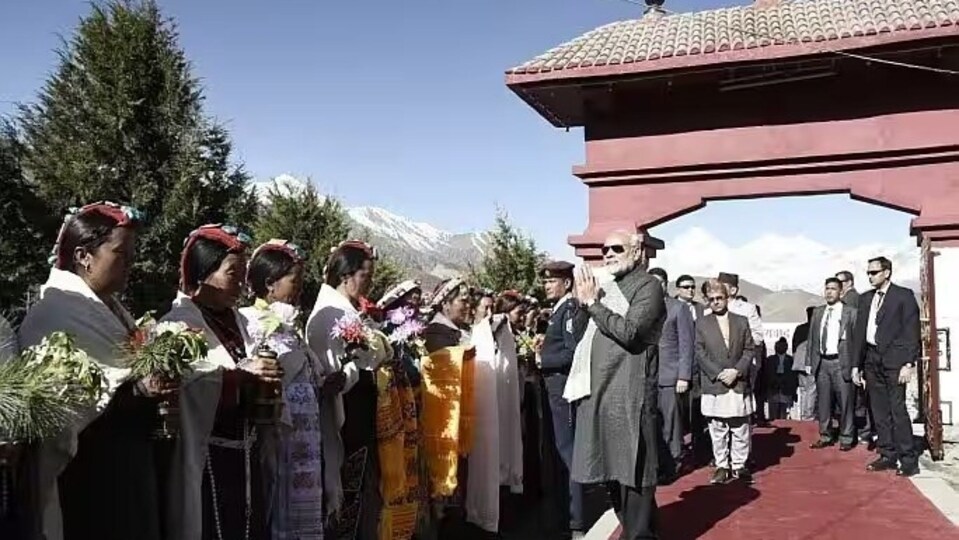
Given that US, China and Europe including UK will not give up anti-India incitement in the Indian sub-continent, the Narendra Modi government has taken the right decision to engage the neighborhood barring west’s favorite Pakistan. India has sent clear signals and intentions to the west by re-engaging with Myanmar and laying a red-carpet for President U Min Aung Hlaing and thereby ensuring that its north-east flank is protected from anti-India insurgents based across Manipur, Nagaland and Arunachal Pradesh.
Since he took over reins of India in 2014, Prime Minister Narendra Modi has advocated closer ties with Nepal and is willing to go 100 miles to ensure the Himalayan Republic grows with India through economic integration.
PM Modi wants the Ministry of External Affairs to pay more attention to the neighborhood as India cannot be called a global power till such time it has excellent ties with the countries in the sub-continent. Despite so-called US promoted track II dialogues to promote dialogue with Pakistan, the Modi government has made it clear that it will not engage Pakistan till such time cross-border terrorism is not stopped by Rawalpindi against India.
With China, India is equally firm saying that all bilateral engagements will be directly proportional to the peace and tranquility on the 3488 km LAC. That China allowed the Jammu and Kashmir to be put in the joint statement during Prime Minister Shehbaz Sharif visit to Beijing this month, shows that India faces two fronts with Communist China pushing Pakistan to at least middle-weight category.
In this context,. It is important for India to keep Bhutan and Sri Lanka very close to the chest while ensuring the Maldives also gets economic assistance despite its leader, Mohammed Muizzu, being elected on anti-India slogans. While India understands that its neighbors like Bangladesh and Nepal walk the tight-rope when it comes to dealing with the two Asian giants, India does not extract any quid pro quo or high interest in executing big infra projects in the sub-continent.
However, rather than let China penetrate Indian influence in the sub-continent, New Delhi should unilaterally reach out to neighbors particularly Nepal, Bhutan and Myanmar by placing envoys who are not afraid to take initiatives to cement the bilateral bond. The ouster of Sheikh Hasina from Bangladesh has taught India a lesson on how quickly the climate changes with Western powers and US inclined to bog India down as a regional power. This suits not only the neighbors but also big powers as all believe in contesting the rise of India.
Fact is that PM Modi was and is in favour of “Chai” diplomacy in the Indian sub-continent where leaders can drop in when they want rather than go through a big diplomatic protocol. The visits of Rabi Lamichhane and Senior General Hliang shows that India is ready to engage the neighborhood in its own national interest.
The relations with Bangladesh have improved but Islamic fundamentalists have not been punished for attacks on minorities just because they profess a different religion. Bhutan needs to stand-up to Chinese encroaching on their land while focusing on seeking to open diplomatic ties with the Himalayan kingdom. Sri Lanka can only economically revive itself by cementing ties with India. Maldives has understood why ties with India are important for economic survival as it is the only country that gives aid and loans without any conditions.
The Modi government is clearly focused on neighbors without wasting time on other countries who promote Pakistan in order to have a foot in the Indian sub-continent.


