
 E-Paper



India to begin talks to acquire Israeli anti-tank missiles
The defence ministry will negotiate to buy at least 3,000 Spike missiles manufactured by Rafael Advanced Defense Systems through a government-to-government (G2G) route.


The Narendra Modi government will begin talks to buy Israeli anti-tank guided missile Spike, with a meeting between Israel’s visiting defence secretary Major General (retired) Udi Adam and his Indian counterpart Sanjay Mitra on Monday.
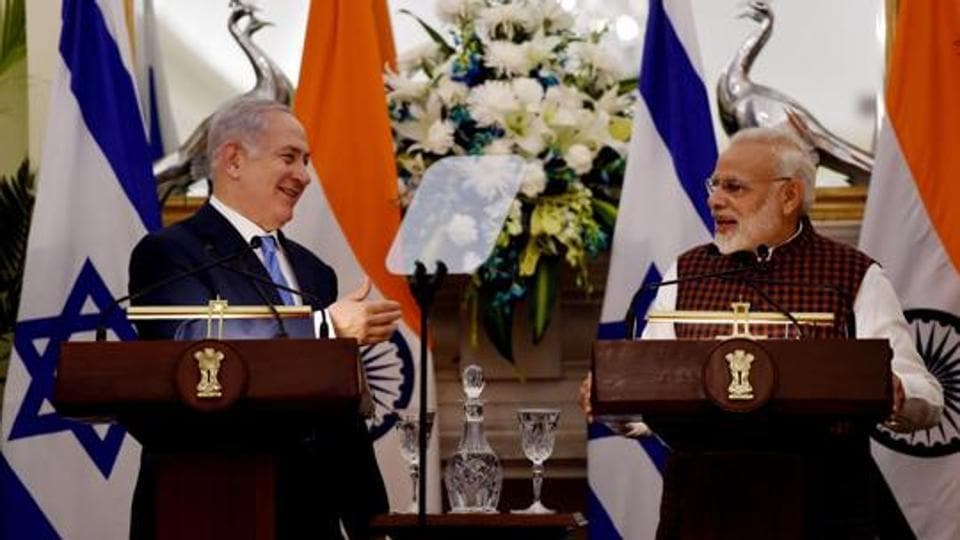
Adam’s two-day visit beginning Monday is set to be significant as South Block officials said the defence ministry will negotiate to buy at least 3,000 Spike missiles manufactured by Rafael Advanced Defense Systems through a government-to-government (G2G) route.
This will meet the army’s urgent requirements and fill the gap before the indigenous Nag anti-tank missile system is inducted.
The talks follow the government’s cancellation this January of a US $900-million order to make Spike missiles in India through full transfer of technology. The defence ministry hopes to buy the Israeli missile at a cheaper price as the tech transfer clause will not exist now.
The Defence Research and Development Organisation (DRDO), which is developing the Nag, has no objection to the government’s plans to buy the Israeli missile so long as the tech transfer term is not applied.
The Nag’s heat-seeker guidance system is at a test stage and the missile’s commercial production is likely to take some time. The third-generation Nag with a range of 4km was tested successfully last September by the DRDO.
The Spike is an advanced fire-and-forget weapon since the 1980s as it can be launched from the an infantryman’s shoulder to hit tanks and aircraft 4km away, or 25km for no-line-of-sight targets that the missile seek out with its heat-tracking system.
It will be manufactured under the Make in India rubric by Kalyani Strategic System-Rafael JV in Hyderabad for global exports.
Senior officials, requesting anonymity, said India and Israel are set to sign an inter-government agreement once the price of the Spike is finalised by the negotiating committee under the country’s director general (acquisition) and manufacturer Rafael Systems.
The price will dictate how many missiles and launchers India will buy, but the officials said the government could settle for 3,000 Spikes to meet the army’s requirements.
“The cancelled order was for 3,000 missiles with another 5,000 from the Hyderabad factory. The order now should be around 3,000 Spikes, with the army having the option to purchase the missiles from the joint company in Hyderabad,” one of the officials said.


